What Causes Low Blood Glucose? A Clear, Practical Guide to Why Blood Sugar Drops
What Causes Low Blood Glucose? A Clear, Practical Guide to Why Blood Sugar Drops
Meta description: Low blood glucose can happen for several reasons, especially in people with diabetes. Learn the most common causes of hypoglycemia, who is at risk, how to prevent it, and when it becomes an emergency.
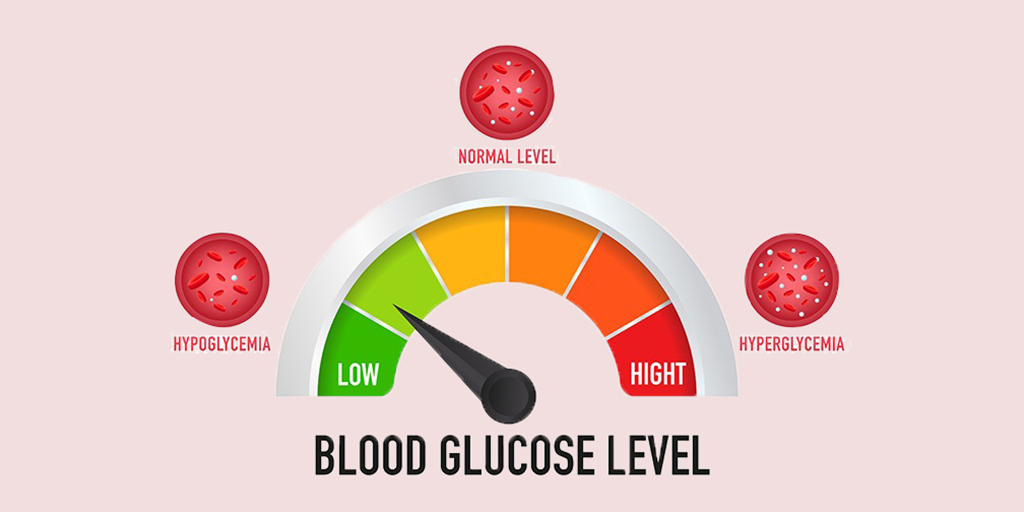
Low blood glucose, also called hypoglycemia, usually means a blood sugar level
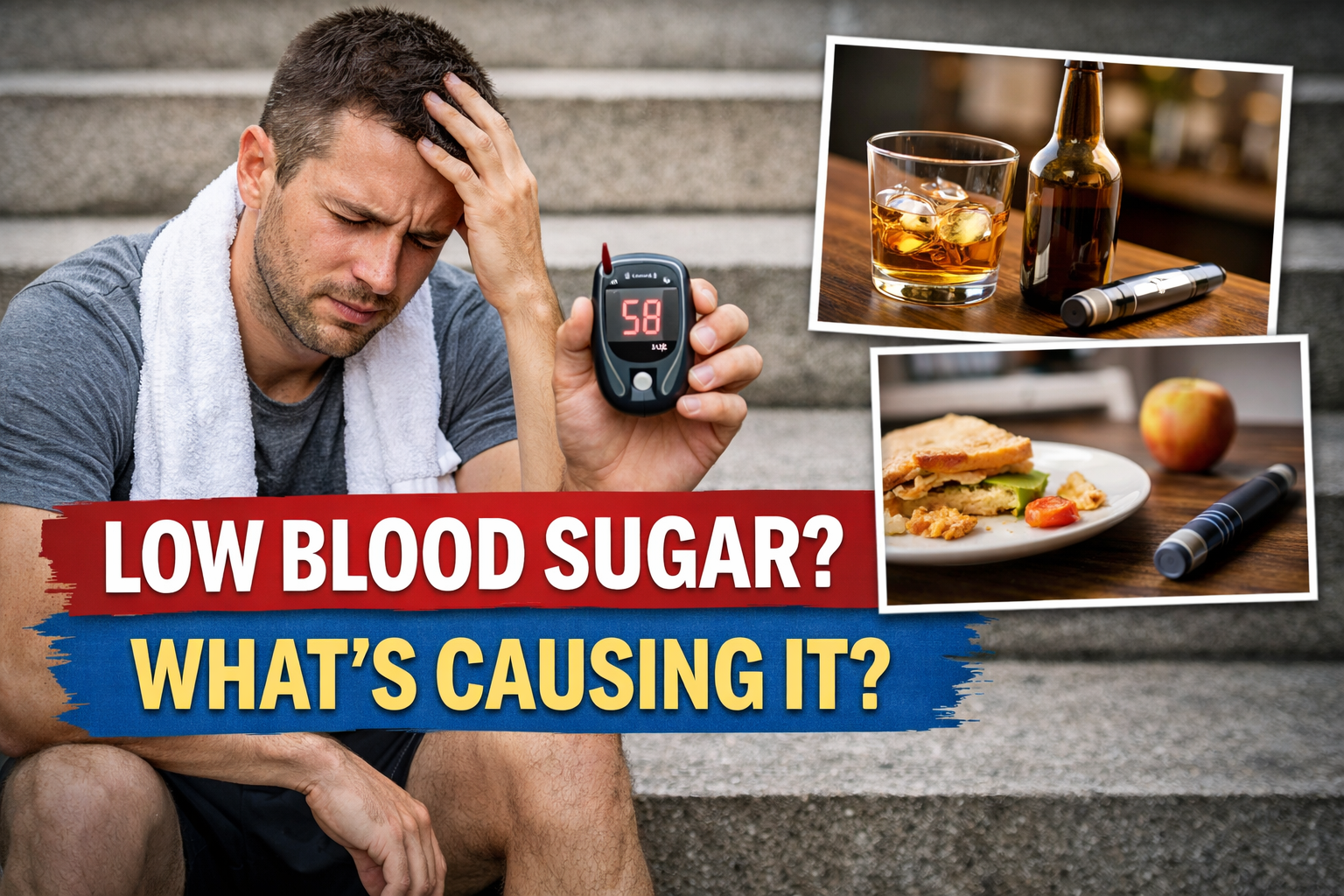
below 70 mg/dL. In people with diabetes, it is most often linked to insulin, certain glucose-lowering medicines, missed or delayed meals, alcohol, or physical activity that lowers glucose more than expected. Severe low blood sugar is generally considered below 54 mg/dL and may require help from another person.
For many people, lows do not come from a single dramatic mistake. They usually happen because medicine, food, activity, and timing stop matching up. That mismatch can happen at lunch, during a workout, late at night, or even several hours after alcohol or exercise.
The most common reason: too much insulin or diabetes medicine for what your body needed
The leading cause of low blood glucose in people with diabetes is taking too much insulin or using another medicine that lowers blood sugar more than intended. This includes simple dosing errors, carbohydrate miscalculations, taking a dose twice, or taking the wrong insulin type by accident. Low blood glucose can also happen with diabetes pills that increase insulin release, especially sulfonylureas and meglitinides.
This is why a dose that was “right” on one day may be “too much” on another. If you ate less than planned, were more active than usual, delayed a meal, or drank alcohol, the same medication dose can hit harder and push your glucose too low.
Food-related causes: not enough carbs, skipped meals, or delayed eating
Food timing matters. When you take insulin or certain diabetes medicines, your body may still be lowering blood glucose even if you skip a meal, eat much later than usual, or simply eat fewer carbohydrates than planned. That is one of the most common setups for a low.
Even positive changes can trigger lows. Someone who starts eating smaller portions, cuts back on refined carbs, or tightens meal timing for weight loss may unintentionally create a mismatch between medication and food intake. That does not mean healthier eating is a bad idea. It means medication, meal structure, and glucose monitoring often need to be adjusted together.
Fasting can also raise the risk, especially if you continue taking medicines that lower glucose during long stretches without food, such as before a medical procedure or during a restrictive diet plan.
Exercise can lower blood glucose during activity and long after it ends
Physical activity is one of the healthiest things you can do for diabetes management, but it can also make glucose fall. Exercise increases glucose use and can make the body more sensitive to insulin, which is why blood sugar may continue dropping for up to 24 hours or more after a workout.
That delayed effect is important. A workout in the afternoon or evening can contribute to a low later that night while you sleep. The risk may be higher when the activity is more intense than usual, longer than usual, or new to your routine.
This is also why “I was fine after exercise” does not always mean the risk is over. Some people need to check glucose before, during, and after activity, and sometimes add a snack or adjust medication based on their care team’s advice.
Alcohol can cause delayed and sometimes dangerous lows
Alcohol is a well-known trigger for hypoglycemia, especially in people who use insulin or certain diabetes medicines. The risk is higher when you drink on an empty stomach or without enough food. Alcohol can interfere with the liver’s ability to release stored glucose, and the drop may happen hours after drinking, not just right away.
Nighttime alcohol use can be especially tricky because it can overlap with sleep, delayed symptoms, and overnight lows. That is one reason experts recommend checking glucose more closely during and after drinking and pairing alcohol with food rather than drinking on an empty stomach.
Sometimes the cause is hidden in your routine
Not every low is obvious. A “mystery hypo” may actually be linked to a subtle schedule change: a different work shift, travel across time zones, a new insulin routine, more walking than usual, poor appetite during illness, or late meals. These changes can quietly alter how much glucose your body needs and how strongly your medicine works.
That is why keeping a simple record helps. A log of blood glucose readings, medications, exercise, meals, alcohol intake, symptoms, and treatment often reveals patterns that are hard to spot in memory alone. Diabetes organizations specifically encourage bringing that information to your care team so adjustments can be made safely.
Why some people stop noticing lows
Repeated hypoglycemia can lead to hypoglycemia unawareness, meaning the body stops giving strong warning signs early enough. Instead of noticing shakiness, sweating, hunger, or a racing heartbeat, a person may not realize they are low until the episode becomes more dangerous.
This matters because untreated hypoglycemia can progress from mild symptoms to confusion, trouble walking, seizures, loss of consciousness, coma, or worse. Frequent low episodes are not just unpleasant; they can make future lows more risky.
Common symptoms of low blood glucose
Symptoms vary from person to person, but common early signs include:
- shakiness
- sweating
- hunger
- dizziness
- fast heartbeat
- nervousness or anxiety
- irritability or confusion
As blood sugar drops further, symptoms can become more serious, including weakness, blurred vision, unusual behavior, severe confusion, seizures, or passing out.
Can low blood glucose happen if you do not have diabetes?
Yes, but it is less common. Outside diabetes, hypoglycemia can be related to heavy alcohol use without eating, severe liver disease, kidney disease, severe infection, long-term starvation or malnutrition, or, rarely, a tumor that produces too much insulin. Recurring low blood sugar without diabetes deserves medical evaluation rather than self-diagnosis.
How to prevent low blood glucose
The goal is not to avoid treatment. It is to keep medication, meals, activity, and monitoring working together. Practical prevention steps include:
- taking insulin and other diabetes medicines exactly as prescribed
- not skipping meals if you use medicine that can lower glucose
- making sure meals and snacks contain enough carbohydrate for your treatment plan
- checking glucose more often when routines change, including travel, illness, or new activity levels
- being extra careful with alcohol, especially if you have not eaten
- carrying a fast-acting carbohydrate source such as glucose tablets or juice
- discussing recurring lows with your diabetes care team rather than making medication changes on your own
Monitoring also matters. Depending on your treatment plan, useful times to check may include before and after meals, before and after exercise, before bed, and sometimes during the night, especially after intense activity or when lows have been occurring. CGMs can be particularly helpful for people who have frequent lows or hypoglycemia unawareness because some devices alert users when glucose is dropping.
What to do when blood sugar is low
If your glucose is below target or below 70 mg/dL, standard guidance is to treat promptly with 15 to 20 grams of fast-acting carbohydrate, wait 15 minutes, and recheck. If it is still low, repeat the process. After recovery, a balanced snack or meal may help keep it from dropping again.
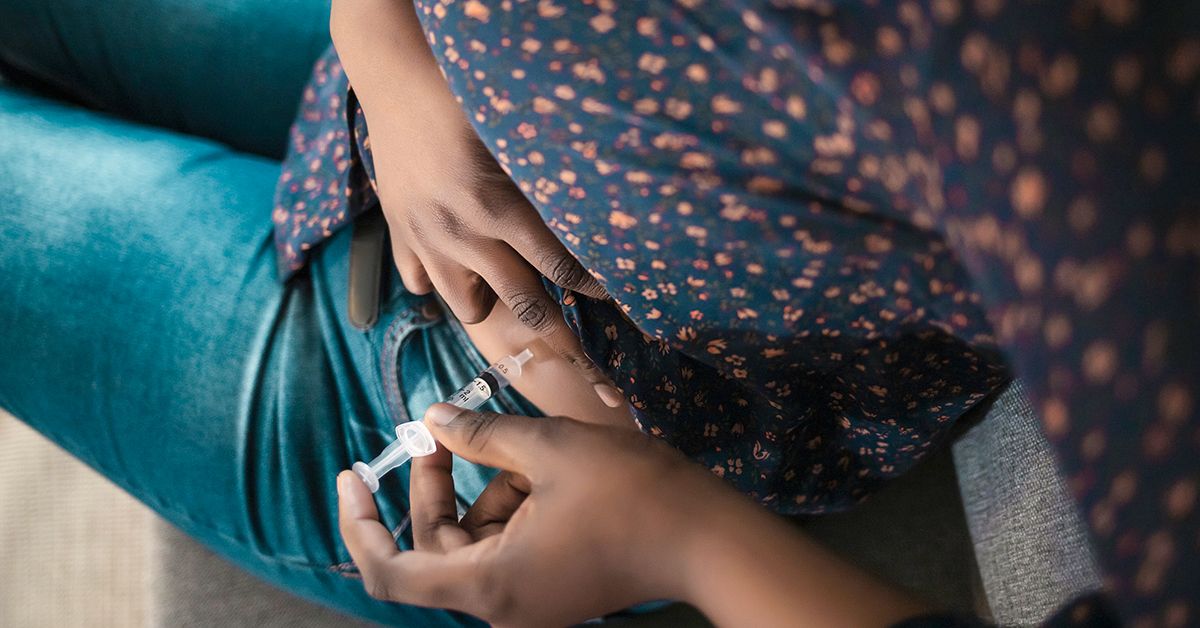
If the person is unable to swallow, becomes unconscious, has a seizure, or is too confused to self-treat, this is a medical emergency. Glucagon is the recommended rescue treatment for severe low blood glucose and is available as an injection or nasal spray. Emergency medical care is still needed after a severe episode.
When to call your clinician
You should contact your healthcare team if:
- you are having repeated lows and do not know why
- your blood sugar is going low overnight
- you have had a severe episode
- you are changing your eating pattern, exercise routine, or diabetes medicines
- you are starting to lose your usual warning symptoms
FAQ
What usually causes low blood glucose?
In people with diabetes, the most common causes are too much insulin or certain diabetes medicines, missed or delayed meals, not enough carbohydrates, exercise, and alcohol.
Can exercise cause low blood sugar hours later?
Yes. Physical activity can lower blood glucose during the activity and for up to 24 hours or more afterward, especially if the workout is longer or more intense than usual.
Why does alcohol cause low blood sugar?
Alcohol can reduce the liver’s ability to release glucose into the bloodstream, particularly if you drink without eating enough food. The drop may happen several hours later.
Is low blood sugar always related to diabetes?
No. It is much more common in people with diabetes, but it can also happen in people without diabetes due to alcohol, serious illness, malnutrition, kidney or liver disease, or rare insulin-producing tumors.
Can a CGM help prevent lows?
For many people, yes. CGMs can track glucose regularly and some devices can alert you when levels are dropping, which may help prevent severe episodes, especially in people with frequent lows or hypoglycemia unawareness.
Low blood glucose usually happens when insulin or medication, food, activity, and timing fall out of balance. The most common triggers are too much insulin, skipped or delayed meals, not eating enough carbohydrates, exercise-related drops, and alcohol. The best prevention strategy is not guesswork. It is pattern tracking, regular monitoring, and a treatment plan adjusted with your healthcare team.