11 Often-Overlooked Symptoms of Diabetes You Shouldn’t Ignore
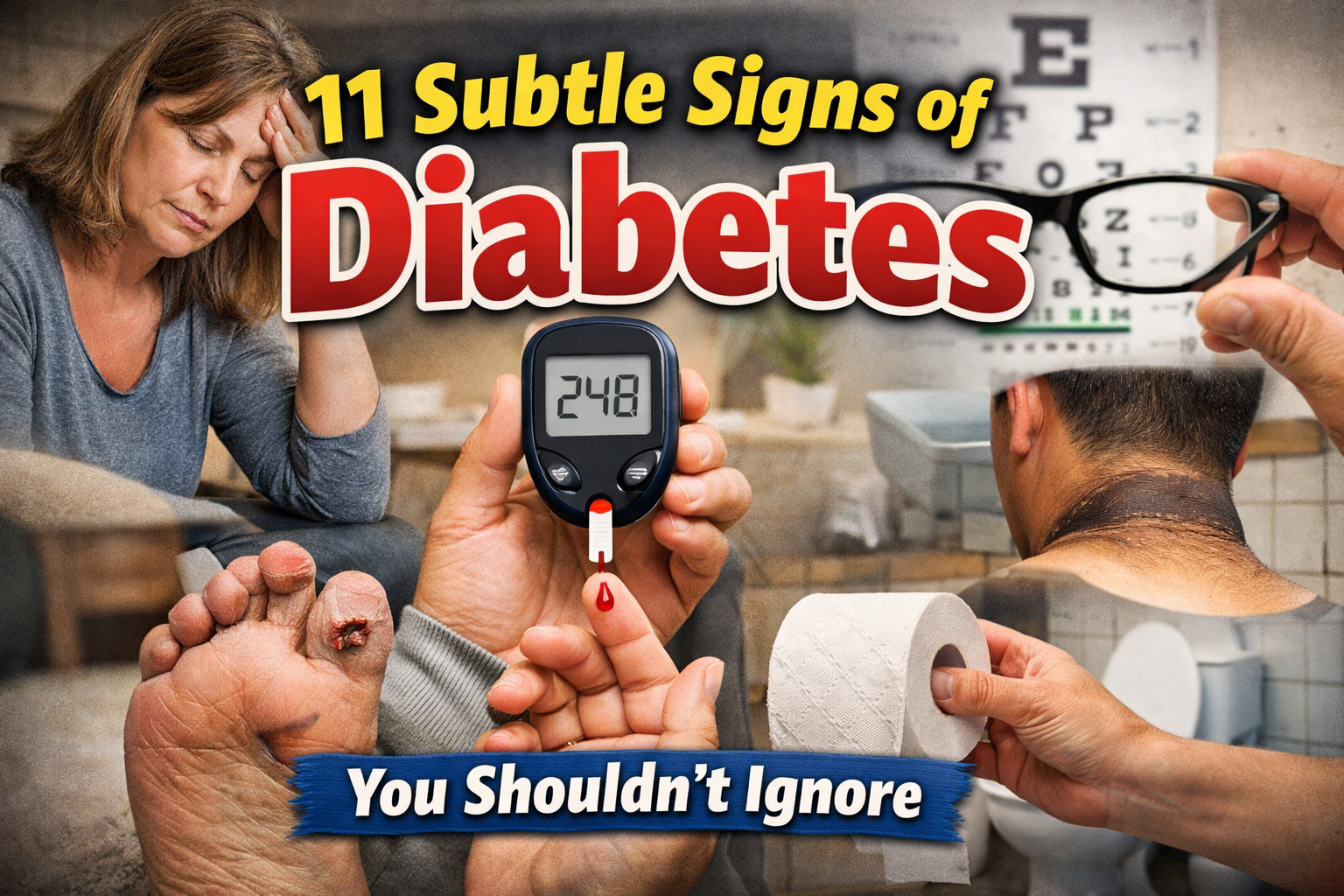
11 Often-Overlooked Symptoms of Diabetes You Shouldn’t Ignore
Diabetes does not always announce itself in a dramatic way. In many people—especially those with type 2 diabetes—symptoms can develop slowly over several years or stay mild enough to be brushed off as stress, aging, dehydration, or “just being run down.” The best-known warning signs are increased thirst, frequent urination, fatigue, blurry vision, unexplained weight loss, and recurring infections. But diabetes can also show up in less obvious ways that affect your skin, mouth, feet, digestion, sexual health, and even hearing.
That matters because early testing can lead to earlier treatment, and earlier treatment can help lower the risk of eye, nerve, kidney, and foot complications over time.
First, a quick reality check: some “unusual” symptoms are actually common
Before getting into the overlooked signs, it is important to clear up one common misconception: excessive thirst, frequent urination, fatigue, blurred vision, unexplained weight loss, slow-healing sores, and recurrent infections are not rare diabetes symptoms. They are among the classic symptoms listed by major medical authorities.
What often gets missed is that these symptoms may be mild, gradual, or mixed with other body changes that do not immediately look like blood sugar trouble.
 1) Ongoing fatigue that does not make sense
 1) Ongoing fatigue that does not make sense
Feeling tired after a long day is normal. Feeling persistently drained, sluggish, or low-energy for no clear reason is different. Diabetes can interfere with how your body uses glucose for energy, and fatigue is one of the most common early clues. Some people describe it as feeling foggy, heavy, or “not quite themselves” for weeks or months.
2) Blurred vision that comes and goes
Vision changes are easy to blame on screen time, stress, or needing a new prescription. But blurry vision can also happen when blood sugar levels are high. In some cases, people first realize something is wrong because their eyesight suddenly seems less sharp than usual.
If blurry vision appears along with thirst, fatigue, or frequent urination, it is worth taking especially seriously.
3) Frequent infections
Repeated urinary tract infections, yeast infections, skin infections, or mouth infections can be a red flag. High blood sugar can make it harder for the body to fight germs effectively, and diabetes is associated with more frequent infections in some people.
This is one reason some people are diagnosed only after they keep treating the same type of infection again and again.
4) Cuts, blisters, or sores that heal slowly
A scrape on the foot, a blister from tight shoes, or a small wound that seems to linger longer than expected should not be ignored. Diabetes can make wounds harder to heal and can raise the risk of infection, especially in the feet.
This is particularly important if you also have numbness, tingling, or reduced sensation in your feet, because you may not notice an injury right away.
5) Tingling, burning, pain, or cramps in the feet and legs
Foot symptoms are not always caused by diabetes, but nerve damage related to diabetes can cause tingling, burning, pain, weakness, or loss of feeling in the feet. Some people notice it first as nighttime discomfort, odd sensations, or leg pain that is hard to explain.
When these symptoms show up together with slow-healing sores or balance problems, they become even more concerning.
6) Dry mouth, sore gums, or frequent dental problems
Your mouth can give early clues about blood sugar problems. Diabetes is linked with dry mouth, gum disease, and fungal infections such as thrush. Some people notice bad breath, gum tenderness, bleeding when brushing, or a constant dry feeling in the mouth before they ever think about diabetes.
Because oral health and diabetes can affect each other, recurring gum problems deserve a proper medical and dental checkup.
7) Dark, velvety skin patches or clusters of skin tags
Skin changes can sometimes point to insulin resistance, prediabetes, or type 2 diabetes. One classic example is acanthosis nigricans—dark, thick, velvety skin that often appears on the back of the neck, under the arms, or in the groin. Skin tags may also appear in the same areas.
Skin tags alone do not mean you have diabetes. But skin tags plus darkened velvety skin, weight gain around the midsection, or a family history of type 2 diabetes make the picture more important.
8) Constipation, diarrhea, or other unexplained digestive changes
Diabetes can affect the nerves that control the digestive tract. When that happens, people may develop constipation, diarrhea, diarrhea that alternates with constipation, bloating, nausea, or feeling full unusually quickly.
Digestive symptoms are common and have many possible causes, so they are not specific to diabetes. Still, when they appear alongside other diabetes symptoms, they should not be dismissed.
9) Sexual or bladder changes
Sexual health is another area people often hesitate to mention, yet it can be one of the first places diabetes-related nerve and blood vessel problems show up. Men may develop erectile dysfunction earlier than expected. Women may notice vaginal dryness, discomfort, lower sexual desire, or more frequent genital infections. Bladder changes can also happen.
These symptoms are personal, but they are medically important—and worth discussing with a clinician.
10) Hearing changes
Hearing loss is not usually the first symptom people think of when they think about diabetes, but the link is well established. According to the CDC, hearing loss is more common in people with diabetes, likely because blood vessels and nerves in the inner ear can be affected over time.
If you have trouble hearing clearly and also have other diabetes symptoms or risk factors, it is worth mentioning both issues at the same appointment.
11) Unexplained weight loss
Weight loss is often seen as a good thing, so some people do not realize it can signal a problem. But losing weight without trying can happen when the body cannot use glucose properly and starts breaking down fat and muscle for energy instead.
This symptom may be more noticeable in type 1 diabetes, but it can also happen in undiagnosed or poorly controlled diabetes more broadly.
When should you get tested?
If you have more than one of these symptoms—or even one persistent symptom plus risk factors such as overweight or obesity, age 35 to 45 and older, a family history of diabetes, prediabetes, low physical activity, or a history of gestational diabetes—it is reasonable to ask a clinician whether you should be tested. Diabetes and prediabetes can be checked with an A1C test, fasting plasma glucose test, oral glucose tolerance test, or sometimes a random plasma glucose test.
This matters even if you feel “mostly fine,” because both prediabetes and type 2 diabetes can go unnoticed for a long time.
When is it an emergency?
Seek urgent medical care right away if symptoms of high blood sugar are accompanied by vomiting, abdominal pain, trouble breathing, fruity-smelling breath, confusion, or high ketones. These can be warning signs of diabetic ketoacidosis, a medical emergency.
FAQ
Are skin tags a sign of diabetes?
Not by themselves. Skin tags are common and can happen for many reasons. But skin tags along with dark, velvety patches of skin may point to insulin resistance, which is closely linked to prediabetes and type 2 diabetes.
Can diabetes cause constipation or diarrhea?
Yes. Diabetes can damage the autonomic nerves that help control digestion, which may lead to constipation, diarrhea, or alternating bowel habits.
Is hair loss a symptom of diabetes?
Hair loss by itself is not considered a hallmark diabetes symptom on the major CDC and NIDDK symptom lists. It also has many other possible causes, including heredity, hormonal changes, medical conditions, stress, and aging. That means hair thinning alone is not a reliable way to identify diabetes.
Can you have diabetes without obvious symptoms?
Yes. Type 2 diabetes can develop slowly and may cause no noticeable symptoms at first. Prediabetes also often goes unnoticed for years.
The bottom line
Diabetes symptoms are not always dramatic, and they are not always easy to connect to blood sugar. Fatigue, recurrent infections, blurred vision, slow-healing wounds, foot symptoms, digestive changes, sexual problems, oral health issues, hearing changes, and skin changes can all be part of the picture. None of these symptoms proves you have diabetes on its own—but they are good reasons to pay attention, especially if they cluster together or you already have risk factors.