Gallbladder Cancer: Early Signs, Symptoms, Causes, and Risk Factors
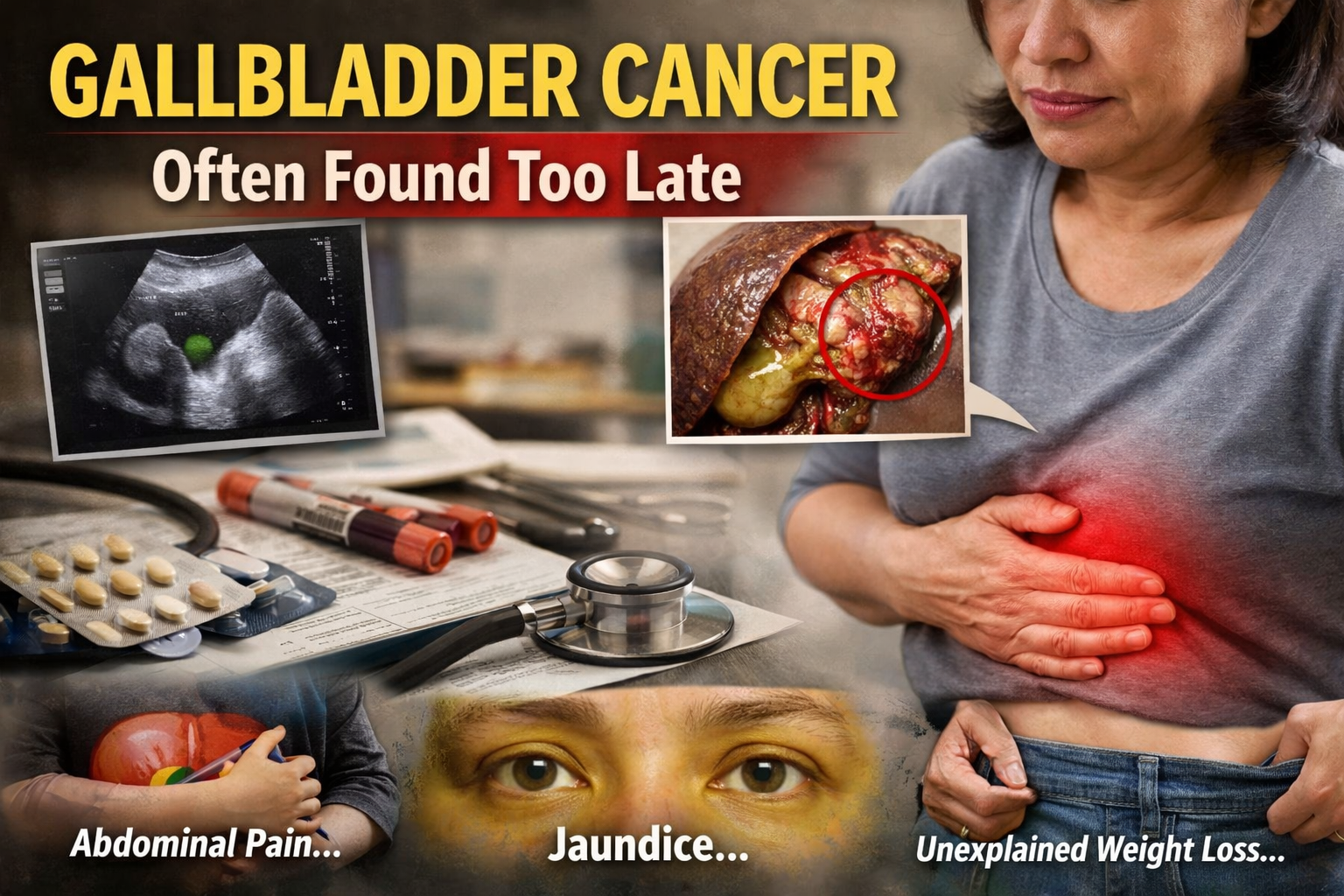
Gallbladder cancer is uncommon, but it can be aggressive and difficult to catch early. One reason is that the gallbladder sits deep under the liver, so small tumours may not cause obvious symptoms at first. Another is that the earliest changes often look like ordinary digestive trouble, gallstones, or gallbladder inflammation rather than cancer.
That makes awareness especially important. Knowing which symptoms deserve attention, who is more likely to develop the disease, and which medical conditions raise the risk can help people seek care sooner rather than later.
What is gallbladder cancer?
The gallbladder is a small organ tucked beneath the liver. Its job is to store bile, a digestive fluid that helps the body break down fats. Gallbladder cancer begins when abnormal cells in the gallbladder lining start to grow out of control. The most common type is adenocarcinoma, which starts in gland-like cells lining the inside of the gallbladder.
Although it is rare, gallbladder cancer matters because it is frequently diagnosed after it has already spread beyond the gallbladder. In the UK, it accounts for less than 1% of all new cancer cases, with around 1,200 new cases each year. It is also more common in women than in men.
Why gallbladder cancer is often found late
Gallbladder cancer is one of those diseases that can stay quiet for a long time. Early-stage disease often causes no symptoms at all. When symptoms do appear, they may overlap with much more common problems such as gallstones, indigestion, or cholecystitis.
Several factors contribute to delayed diagnosis:
1. The gallbladder is hidden deep in the abdomen
Because the organ sits beneath the liver, small changes are not easy to detect on a routine physical exam.
2. Early symptoms are vague
Mild nausea, bloating, poor appetite, or upper abdominal discomfort are common complaints in everyday life. They do not automatically point to cancer.
3. There is no routine screening test
Unlike breast or bowel cancer, there is no standard population screening programme for gallbladder cancer. Many cases are found incidentally during scans, surgery, or tests for other gallbladder problems.
Early signs of gallbladder cancer
In many people, there are no early symptoms. That is one of the biggest clinical challenges. The National Cancer Institute notes that gallbladder cancer is difficult to detect early, and people rarely have symptoms in the earliest stages.
When symptoms do show up early, they are often nonspecific and easy to dismiss. Possible early symptoms can include:
Mild upper abdominal discomfort
You may notice a vague ache or pressure in the upper right side of the abdomen, especially after meals. This alone does not mean cancer, but persistent pain should not be ignored.
Nausea or occasional vomiting
Digestive upset can happen for many reasons, but ongoing nausea without a clear explanation deserves medical review.
Bloating or feeling unusually full
Some people describe abdominal heaviness, swelling, or getting full quickly.
Appetite changes
A reduced desire to eat, especially when it persists for weeks, can be a warning sign.
The important point is not that these symptoms are specific to gallbladder cancer. They are not. The point is that persistent, unexplained digestive symptoms, especially in someone with risk factors, deserve proper assessment.
Symptoms of more advanced gallbladder cancer
As the cancer grows, symptoms usually become more noticeable and more constant.
Right upper abdominal pain
Pain in the upper right abdomen is one of the most commonly reported symptoms. It may begin as a dull ache and become sharper, more frequent, or more persistent over time.
Jaundice
Jaundice means yellowing of the skin and the whites of the eyes. It usually happens when the cancer blocks bile flow. Jaundice is a major red-flag symptom and often suggests more advanced disease. Dark urine and pale stools may occur alongside it.
Unexplained weight loss
Losing weight without trying is always worth medical attention, especially when paired with pain, appetite loss, or jaundice.
Abdominal swelling or a lump
If the tumour blocks the bile ducts or spreads into nearby structures, the gallbladder or liver area may enlarge. In some cases, a doctor may be able to feel a lump in the abdomen.
Fever
The NCI lists fever among the signs and symptoms of gallbladder cancer. Fever may occur if there is infection, inflammation, or blocked bile flow.
Ongoing nausea and vomiting
As the disease advances, digestive symptoms can become more frequent and more disruptive.
When should you see a doctor?
You should not self-diagnose gallbladder cancer from symptoms alone. Many of these signs are far more likely to be caused by gallstones, infection, ulcers, IBS, or other digestive conditions. But that does not mean they should be ignored.
Seek prompt medical advice if you have:
- persistent pain in the upper right abdomen
- repeated nausea or vomiting
- loss of appetite lasting more than a couple of weeks
- unexplained weight loss
- abdominal swelling that is new or worsening
- a known gallbladder condition with changing symptoms
Seek urgent care if you have:
- jaundice
- severe abdominal pain
- fever with chills and abdominal pain
- vomiting that will not stop
Jaundice in particular is a symptom that needs urgent medical attention because it can signal obstruction of the bile ducts.
What causes gallbladder cancer?
There is no single cause in every case. Cancer develops when cells acquire DNA changes that allow them to grow uncontrollably. In gallbladder cancer, long-term irritation and chronic inflammation appear to play a major role.
That helps explain why conditions associated with persistent gallbladder inflammation are so important in risk assessment.
Major risk factors for gallbladder cancer
Not everyone with a risk factor develops cancer, and some people diagnosed with gallbladder cancer have no obvious cause. Still, certain factors are strongly linked with higher risk.
Gallstones
Gallstones are the most common risk factor for gallbladder cancer. The American Cancer Society notes that up to 4 out of 5 people with gallbladder cancer have gallstones at diagnosis. At the same time, gallstones are common and gallbladder cancer is rare, so most people with gallstones never develop cancer.
Chronic inflammation of the gallbladder
Repeated irritation and inflammation can change the gallbladder lining over time. This is one reason long-standing gallbladder disease matters.
Age
Risk rises with age. NHS guidance says gallbladder cancer is more likely in older adults and is most common in people over 85.
Female sex
Gallbladder cancer is more common in women than in men. UK data also show a clear female predominance.
Gallbladder polyps
Most gallbladder polyps are benign, but some, especially larger polyps, may carry increased cancer risk.
Porcelain gallbladder
This is calcification of the gallbladder wall, usually associated with long-standing inflammation. It is an established risk factor.
Abnormal bile ducts or biliary tract conditions
Structural abnormalities and chronic bile duct disease can raise the risk. NHS includes abnormal bile ducts and long-term swelling of the gallbladder or bile ducts among associated conditions.
Family history
Having a close relative with gallbladder cancer may increase risk, although hereditary cases are not the majority.
Ethnicity and geography
Rates are higher in some populations and regions. NHS notes increased risk among people with Latin American or Asian heritage, while the ACS and UK sources also describe important variation by ethnicity and sex.
Obesity and lifestyle-related factors
Excess body weight is associated with a higher risk, partly because obesity increases the chance of gallstones. Lifestyle factors may also contribute more broadly to biliary disease and cancer risk.
Can gallbladder cancer be prevented?
There is no guaranteed way to prevent gallbladder cancer. But lowering the chance of chronic gallbladder disease may help reduce risk.
Maintain a healthy weight
A healthy weight lowers the likelihood of gallstones and may reduce inflammation-related risk.
Eat a balanced, fibre-rich diet
A dietary pattern built around vegetables, fruit, pulses, whole grains, and minimally processed foods supports overall digestive and metabolic health. While diet alone cannot prevent cancer, it can help reduce some contributing risk factors.
Stay physically active
Regular activity supports healthy weight management and metabolic health.
Avoid tobacco
Smoking is linked with many cancers and is sensible to avoid for overall cancer prevention.
Manage known gallbladder conditions
If you have gallstones, polyps, or chronic gallbladder inflammation, follow up appropriately rather than ignoring symptoms. Ongoing monitoring may matter more if you have several risk factors at once.
Who should be especially alert?
You may need a lower threshold for medical review if you are:
- an older adult
- a woman with a history of gallstones
- someone with chronic gallbladder inflammation
- a person with gallbladder polyps or porcelain gallbladder
- someone with a family history of gallbladder cancer
- someone whose digestive symptoms have clearly changed from their usual pattern
This does not mean you are likely to have cancer. It means persistent symptoms should be assessed sooner rather than later.
How doctors investigate possible gallbladder cancer
If gallbladder cancer is suspected, a clinician may arrange:
- blood tests, including liver function tests
- ultrasound
- CT or MRI scans
- further imaging of the bile ducts
- referral to a specialist team if needed
The NCI notes that tests examining the gallbladder and nearby organs are used to detect, diagnose, and stage gallbladder cancer.
Key questions to ask your clinician
If you are worried about symptoms or risk, useful questions include:
“Could this be gallstones, inflammation, or something more serious?”
This helps frame what possibilities are being considered.
“Do I need imaging or blood tests?”
Appropriate testing depends on symptoms, exam findings, and medical history.
“Do my existing gallbladder problems increase my cancer risk?”
This is particularly relevant if you have gallstones, polyps, or recurrent gallbladder pain.
“What warning signs should make me seek urgent help?”
Knowing what counts as urgent can prevent delays.
“Should I be monitored over time?”
Some gallbladder findings need follow-up rather than immediate treatment.