Acute Pancreatitis – Overview (signs and symptoms, pathophysiology, investigations, treatment)
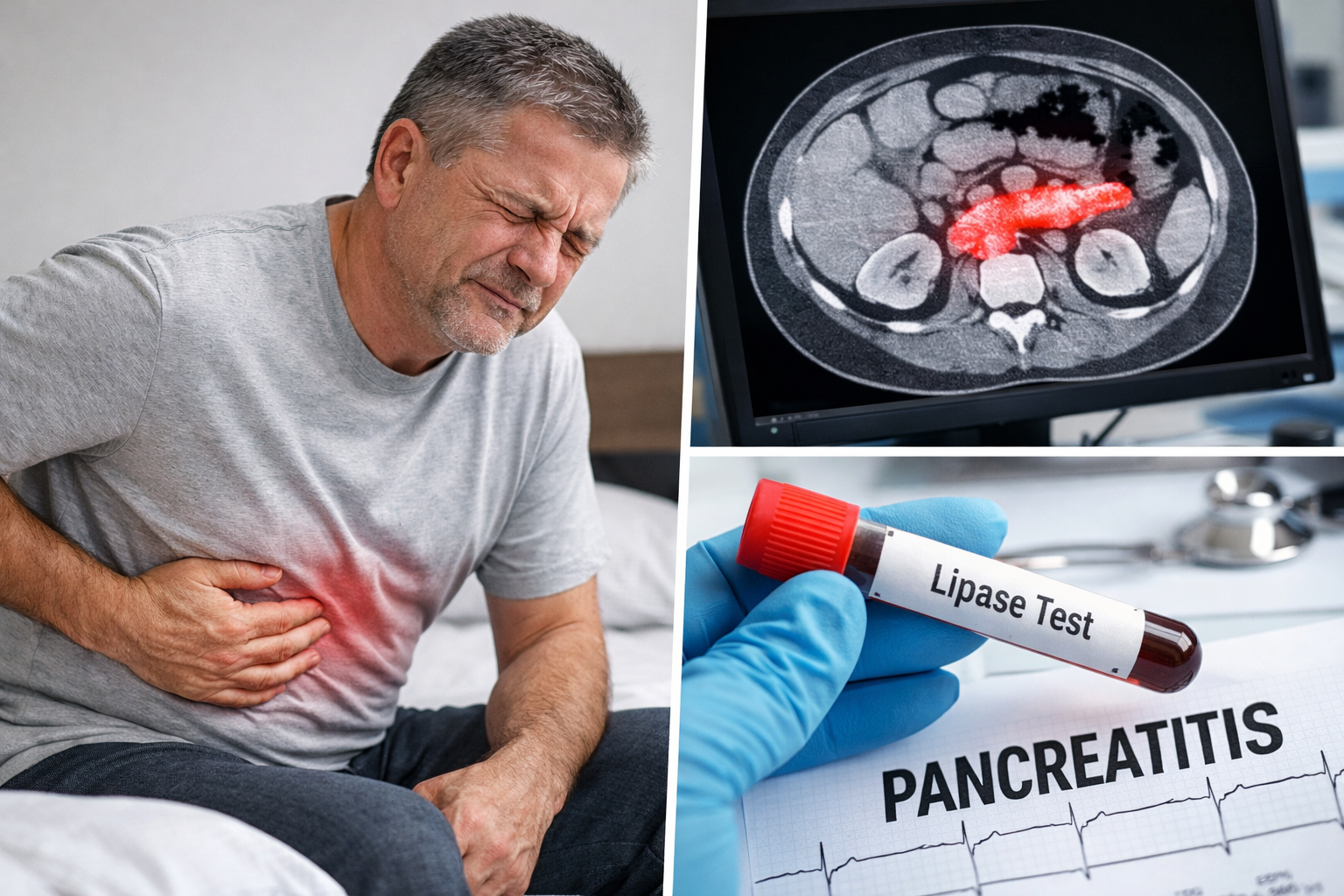
Acute pancreatitis symptoms can come on fast, feel intense, and quickly turn from “bad stomach pain” into a real medical emergency. For many people, the first sign is sudden upper abdominal pain that may spread to the back, often along with nausea, vomiting, fever, or a fast heartbeat. Because these symptoms can overlap with gallbladder problems, ulcers, food poisoning, and even heart issues, it is easy to underestimate what is happening.
That is why this topic matters in real life. Knowing what acute pancreatitis symptoms usually look like can help someone recognize when they should stop trying to wait it out at home and get medical care right away. Early treatment can reduce the risk of dehydration, infection, breathing problems, and damage to the pancreas.
This guide explains what acute pancreatitis is, what the symptoms usually feel like, what causes it, who is at higher risk, how it is diagnosed, what recovery often looks like, and what practical steps may help lower the chance of another attack. This article is for education only and is not a diagnosis. Severe or sudden abdominal pain always deserves prompt medical attention.
Understanding acute pancreatitis symptoms
Acute pancreatitis is sudden inflammation of the pancreas. The pancreas is a gland that sits behind the stomach and helps your body in two major ways: it makes digestive enzymes to break down food, and it makes hormones such as insulin to help regulate blood sugar.
Under normal conditions, pancreatic enzymes are released into the small intestine where they help digest food. In acute pancreatitis, those digestive chemicals start causing trouble too early. Instead of staying inactive until they reach the intestine, they may begin irritating pancreatic tissue itself. That irritation triggers inflammation, swelling, pain, and in more serious cases, tissue injury and wider complications.
 For everyday readers, the simplest way to understand it is this: the pancreas becomes inflamed, and that inflammation can affect far more than digestion. It can cause severe pain, make eating difficult, lead to vomiting and dehydration, and in severe cases strain the lungs, kidneys, heart, and circulation.
Acute pancreatitis is different from chronic pancreatitis. Acute pancreatitis happens suddenly and may improve over days to weeks with proper care. Chronic pancreatitis is long-term inflammation and damage that develops over time. But recurrent acute attacks can sometimes increase the risk of long-term pancreatic problems.
The reason symptoms matter so much is that acute pancreatitis is not usually subtle. It tends to announce itself with pain that is strong enough to interrupt normal life. Many people cannot comfortably eat, stand upright, or sleep through it. When symptoms are severe, the right response is not to “see how it goes tomorrow,” but to seek immediate care.
Types Of acute pancreatitis symptoms
Acute pancreatitis symptoms themselves are not usually divided into formal “types” the way some diseases are, but the condition can show up in different patterns and levels of severity. Understanding these patterns helps explain why one person may recover quickly while another becomes seriously ill.
Mild acute pancreatitis
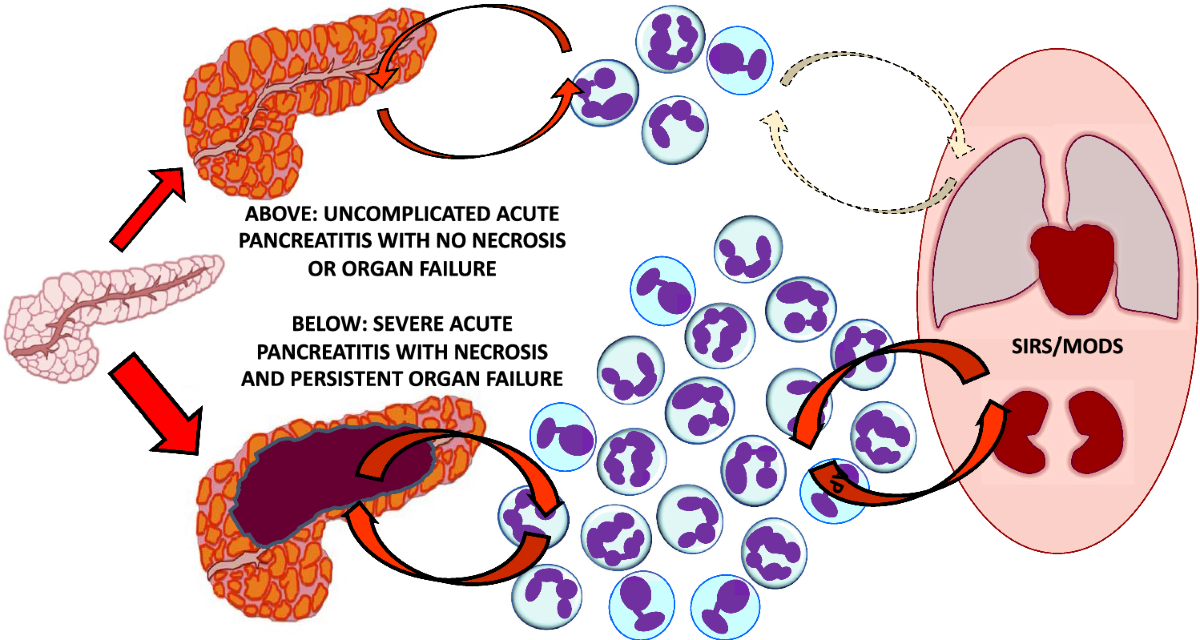
In milder cases, the pancreas is inflamed, but major organ failure or severe tissue damage does not develop. Symptoms can still be very painful, but the illness may settle with hospital care, fluids, pain control, and treatment of the underlying cause.
A person with a mild case may have:
- strong upper abdominal pain
- nausea and vomiting
- bloating
- tenderness in the abdomen
- poor appetite
- discomfort that worsens after eating
Even “mild” pancreatitis should not be treated casually. The pain can be significant, and medical evaluation is still important.
Moderate to severe acute pancreatitis
More severe cases may involve complications such as pancreatic tissue damage, infected fluid collections, low blood pressure, trouble breathing, kidney strain, or sepsis. In practical terms, this is when pancreatitis becomes a whole-body problem, not just a digestive one.
Symptoms may include:
- very severe abdominal pain
- persistent vomiting
- fever
- fast heartbeat
- weakness
- shortness of breath
- confusion
- severe dehydration
- an overall appearance of being acutely unwell
Gallstone-related pattern
Some people develop acute pancreatitis because a gallstone blocks a duct. When that happens, symptoms may overlap with gallbladder or bile duct problems. Along with abdominal pain, some people may develop jaundice, dark urine, pale stools, or worsening pain after eating fatty foods.
Alcohol-related pattern
Alcohol-related pancreatitis may occur after heavy alcohol use or after long-term alcohol exposure. Some people do not realize that the episode is related to alcohol because symptoms may appear after a delay, not always during drinking itself.
Recurrent acute pancreatitis
Some people have repeated episodes. Each attack may look similar: sudden upper abdominal pain, nausea, vomiting, and hospital treatment. Recurrent episodes should never be ignored because repeated inflammation can increase the chance of lasting pancreatic damage.
Causes Of acute pancreatitis symptoms
The symptoms of acute pancreatitis are caused by inflammation in the pancreas, but several different triggers can set that process in motion.
Gallstones
Gallstones are one of the leading causes. A stone can move out of the gallbladder and block the pancreatic duct or nearby drainage pathways. This prevents pancreatic secretions from flowing normally and may trigger inflammation.
In real life, this matters because a person may think they only have “gallbladder pain,” but if the blockage affects the pancreas, the problem becomes more urgent. Someone with gallstones may notice pain after meals for a while, then suddenly develop much more intense pain, vomiting, and illness.
Alcohol use
Heavy alcohol use is another major cause. In some people, a single large exposure may contribute. In others, the problem is more strongly linked to long-term heavy drinking. Alcohol can irritate pancreatic tissue and change how pancreatic secretions flow.
One practical point here is that many people underestimate alcohol as a pancreas issue. They may know it can harm the liver, but not realize it can also cause a painful and potentially dangerous pancreatic attack.
High triglyceride levels
Very high triglycerides can trigger acute pancreatitis. This tends to happen more often in people who also have metabolic issues such as diabetes, obesity, or poorly controlled lipid problems.
This is one reason routine blood work and long-term preventive care matter. A person may feel fine day to day, yet still have a risk factor that can contribute to a sudden pancreatic attack.
Certain medicines
Some medicines are associated with pancreatitis in a small number of people. Not every medication-related case is easy to confirm, and people should never stop a prescribed medication on their own without medical advice. But medication review is an important part of the evaluation.
Procedures involving the bile ducts or pancreas
In some cases, pancreatitis develops after a medical procedure involving the bile duct or pancreas. This does not mean the procedure was unnecessary. It means the pancreas can sometimes react with inflammation after instrumentation.
Infections, autoimmune conditions, or genetic factors
These are less common causes, but they do occur. Some people have an autoimmune process affecting the pancreas. Others have inherited tendencies that make pancreatitis more likely. Viral or other infections may also be involved in some cases.
Trauma
An injury to the abdomen can sometimes lead to pancreatic inflammation.
Unknown cause
Sometimes no clear cause is found, even after a reasonable workup. That does happen. But when the cause is uncertain, doctors often look closely for hidden gallstones, alcohol exposure, blood fat disorders, medication effects, or less common pancreatic conditions.
Symptoms Of acute pancreatitis symptoms
This is the part most people are searching for: what do acute pancreatitis symptoms actually feel like?
Sudden upper abdominal pain
The hallmark symptom is pain in the upper abdomen. It often starts suddenly and becomes intense quickly. Many people describe it as severe, deep, steady pain rather than a cramp that comes and goes.
The pain may:
- start in the upper middle or upper left abdomen
- spread through to the back
- feel worse after eating
- feel worse when lying flat
- last for hours or longer
- be strong enough to interrupt normal movement and sleep
A useful real-life clue is that the pain often does not behave like ordinary indigestion. It is usually more intense, more persistent, and harder to ignore.
Pain that radiates to the back
Back pain is common in acute pancreatitis. People often say it feels like the pain is boring through from the front to the back. This matters because some people misread the symptom as a muscle strain or spine issue when the real problem is in the upper abdomen.
Nausea and vomiting
Nausea is very common, and vomiting often occurs as well. Some people vomit repeatedly without real relief. That combination of pain plus vomiting is one reason dehydration can happen quickly.
If someone is unable to keep down fluids, that raises the urgency. Pancreatitis care often includes intravenous fluids because drinking enough at home may not be realistic during an attack.
Fever
A fever can occur because the pancreas is inflamed. Fever does not always mean infection at the start, but it can be a sign that the body is under significant stress. In more complicated cases, fever may also suggest infection or worsening inflammation.
Fast heartbeat
A rapid pulse may happen because of pain, dehydration, inflammation, or the body’s stress response. It is one of those signs people may not notice unless they check, but it can be part of the overall picture.
Swollen or tender abdomen
The belly may feel bloated, tight, or tender to touch. Some people feel full very quickly or feel as though the upper abdomen is distended.
Loss of appetite
Eating often becomes difficult. Even the thought of food may make symptoms worse. This is not just because of nausea. Eating stimulates digestive activity, and when the pancreas is inflamed, that can increase discomfort.
Feeling very ill overall
Acute pancreatitis often causes a general sense of being unwell, not just “having stomach pain.” People may feel weak, sweaty, exhausted, shaky, or unable to focus on anything except the pain.
Jaundice in some cases
If the cause involves gallstones or bile duct blockage, some people may develop yellowing of the skin or eyes, dark urine, or pale stools. These are especially important warning signs because they can point toward blockage and the need for urgent assessment.
Symptoms that suggest the condition may be severe
Some symptoms should raise immediate concern:
- severe pain that is not easing
- repeated vomiting
- fainting or feeling close to fainting
- shortness of breath
- confusion
- blue or grayish skin tone
- severe weakness
- very low urine output
- inability to keep any fluids down
These are not “wait and see” symptoms.
How symptoms affect daily life
In practical terms, acute pancreatitis symptoms can stop daily life almost immediately. A person may be unable to finish a meal, go to work, drive safely, care for children, or sleep normally. They may curl forward because the pain is so strong. They may avoid drinking because vomiting starts again every time they try.
That disruption is an important clue. Ordinary digestive discomfort may be unpleasant. Acute pancreatitis often feels bigger than that.
Risk Factors
Certain factors make acute pancreatitis more likely or may increase the chance of a severe or recurrent episode.
Gallstones or gallbladder disease
A history of gallstones is one of the clearest risk factors. Someone who has already had gallbladder pain, biliary colic, or abnormal liver-related symptoms should pay close attention to sudden severe upper abdominal pain.
Heavy alcohol use
Regular heavy drinking increases the risk, especially over time. Continued alcohol use after an episode can also raise the chance of another attack and may contribute to chronic pancreatitis.
Smoking
Smoking is associated with higher pancreatitis risk and may worsen long-term pancreatic health. This is often overlooked. People may focus on alcohol and miss smoking as another meaningful factor.
High triglycerides
Very high triglyceride levels can trigger pancreatitis. This may be more likely in people with diabetes, obesity, metabolic syndrome, or a family history of lipid problems.
Obesity
Obesity is associated with pancreatitis risk and may also relate to gallstones and metabolic factors that contribute to pancreatic attacks.
Diabetes and metabolic health problems
Diabetes and related metabolic conditions can increase the likelihood of high triglycerides and gallstone formation, which may indirectly raise risk.
Certain inherited or structural problems
Some people have pancreatic duct differences, genetic susceptibility, or other less common structural factors that make episodes more likely.
Certain autoimmune conditions
Autoimmune processes can affect the pancreas in some cases.
Previous pancreatitis
Once a person has had acute pancreatitis, especially if the underlying cause remains uncorrected, the chance of recurrence may be higher.
Diagnosis Process
Acute pancreatitis is usually diagnosed in a medical setting, often in the emergency department or hospital. Doctors do not diagnose it based on symptoms alone, because severe abdominal pain has many possible causes.
Medical history and symptom review
The first step is usually a detailed history. A clinician may ask:
- Where exactly is the pain?
- When did it start?
- Does it go to the back?
- Have you been vomiting?
- Have you had fever?
- Have you had gallstones before?
- How much alcohol do you usually drink?
- What medicines do you take?
- Have you had this pain before?
These questions matter because the cause helps guide treatment and prevention.
Physical exam
The abdomen is checked for tenderness, bloating, guarding, and signs of illness severity. Vital signs such as blood pressure, pulse, breathing rate, oxygen level, and temperature are also important.
Blood tests
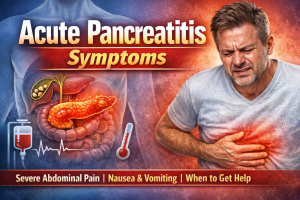
Blood work often includes pancreatic enzymes, especially lipase. Other tests may look for inflammation, dehydration, liver involvement, electrolyte problems, blood sugar changes, kidney strain, or high triglycerides.
For patients, the practical takeaway is simple: lab tests help confirm that the pancreas is inflamed and help show how much stress the body is under.
Imaging tests
Imaging may include ultrasound, CT scan, or other scans depending on the situation. Ultrasound is often useful when gallstones are suspected. CT can help assess inflammation and complications, especially if the diagnosis is uncertain or the case is severe.
Looking for the cause
Diagnosis is not just about naming pancreatitis. It is also about asking why it happened. If the trigger is not addressed, the person may have another attack.
Why hospital evaluation is often needed
Acute pancreatitis is commonly treated in hospital because doctors may need to:
- give intravenous fluids
- control pain
- monitor oxygen and circulation
- manage vomiting
- treat complications
- identify gallstones or blockage
- decide when eating can restart safely
Someone with severe symptoms should not assume urgent care at home or over-the-counter products will be enough.
Living With acute pancreatitis symptoms
Living with acute pancreatitis symptoms is often less about “long-term lifestyle with ongoing daily symptoms” and more about surviving the acute episode, recovering safely, and preventing recurrence. Still, the recovery period can affect daily life more than many people expect.
The first days can be exhausting
After an attack, many people feel drained. Pain, poor sleep, vomiting, fasting, hospital care, and emotional stress all take a toll. Even after discharge, energy may remain low for days or weeks.
A person may think, “I’m home, so I should be normal again,” but recovery rarely works that neatly. It may take time for appetite, strength, and digestion to settle.
Eating may feel intimidating
Many people become nervous about food after pancreatitis, especially if eating seemed to worsen pain during the attack. That fear is understandable. Some may undereat because they are afraid of triggering symptoms again.
A practical approach is often to restart with a care plan that matches medical advice, then move toward gentle, balanced meals. Large greasy meals are usually not a smart first step after recovery.
Fatigue and reduced confidence are common
It is common to feel anxious about symptoms returning. Some people monitor every stomach sensation. Others worry about going out, eating in restaurants, or drinking anything other than water.
That emotional layer matters. A first attack can shake confidence, especially if it led to emergency treatment or hospitalization.