Acute Pancreatitis: Symptoms, Causes, Diagnosis, Treatment, and Recovery

Acute Pancreatitis: Symptoms, Causes, Diagnosis, Treatment, and Recovery
Acute pancreatitis is sudden inflammation of the pancreas that can range from mild to life-threatening. Learn the symptoms, common causes, how it is diagnosed, what treatment usually involves, and what recovery may look like.
Acute pancreatitis is one of those conditions that can go from “bad stomach pain” to a medical emergency very quickly. It often starts with intense upper abdominal pain, nausea, and vomiting, but what is happening underneath is more serious: the pancreas has become suddenly inflamed and may begin injuring itself. Most cases improve with hospital care and supportive treatment, but some become severe and lead to infection, tissue damage, breathing problems, kidney problems, or shock.
Because the symptoms can overlap with other urgent abdominal conditions, acute pancreatitis should never be brushed off as simple indigestion. Fast evaluation matters, especially when the pain is severe, persistent, or comes with vomiting, fever, weakness, or dehydration.
What is acute pancreatitis?
Acute pancreatitis is a sudden, short-term inflammation of the pancreas. The pancreas sits behind the stomach and has two major jobs: it helps digest food by making digestive enzymes, and it helps regulate blood sugar by producing hormones such as insulin. In acute pancreatitis, the pancreas becomes inflamed over hours to days rather than gradually over years.
A key part of the problem is that digestive enzymes, which are supposed to activate later in the digestive tract, become active too early. When that happens, they can begin damaging pancreatic tissue itself, which triggers inflammation and, in more serious cases, injury to nearby tissue and other organs.
Many people recover within days with proper care, but acute pancreatitis is not automatically “mild.” Some cases become severe enough to require intensive monitoring and can be life-threatening.
Why this condition matters
Acute pancreatitis is common enough that most hospitals see it regularly, and it is a major reason people are admitted with sudden upper abdominal pain. What makes it important is not just the pain, but the unpredictability. A person may improve steadily with fluids, pain relief, and rest, while another may develop pancreatic necrosis, infection, breathing problems, or organ failure.
That is why doctors treat suspected acute pancreatitis seriously from the start. Even before the full cause is confirmed, the priority is monitoring, hydration, pain control, and watching for complications.
Symptoms of acute pancreatitis
The hallmark symptom is pain in the upper abdomen, often severe and persistent. Many people describe it as a deep, intense pain that may spread through to the back. It can come on suddenly or build over time, and it may feel worse after eating.
Other common symptoms include:
- nausea
- vomiting
- fever or a raised temperature
- abdominal tenderness
- a swollen or bloated abdomen
- feeling very unwell overall
- a rapid pulse in some cases
In more severe attacks, the inflammation can affect the rest of the body. That may lead to dehydration, low blood pressure, trouble breathing, kidney problems, or signs of shock. Severe symptoms need urgent hospital care.
What does acute pancreatitis pain feel like?
This pain is usually not subtle. It often sits in the upper middle or upper left abdomen and may seem to bore through toward the back. Unlike temporary cramping from a routine stomach upset, pancreatitis pain tends to last, feels hard to ignore, and is frequently accompanied by nausea or vomiting.
Some people notice that lying flat makes the pain feel worse, while sitting forward may feel slightly more tolerable. But position changes do not make the problem go away. Persistent severe abdominal pain always deserves medical assessment.
Common causes of acute pancreatitis
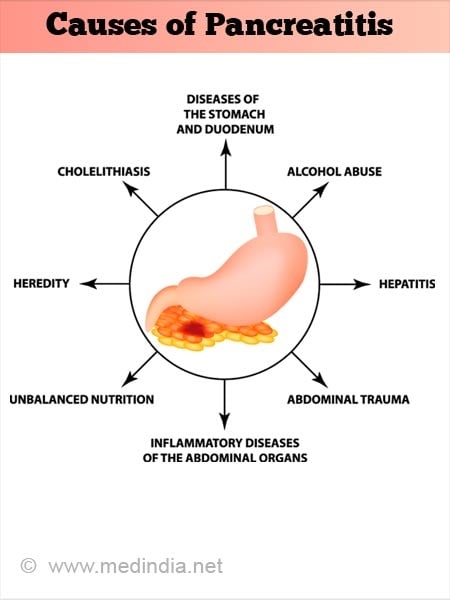
The two leading causes are gallstones and heavy alcohol use. Together, they account for most cases.
Gallstones
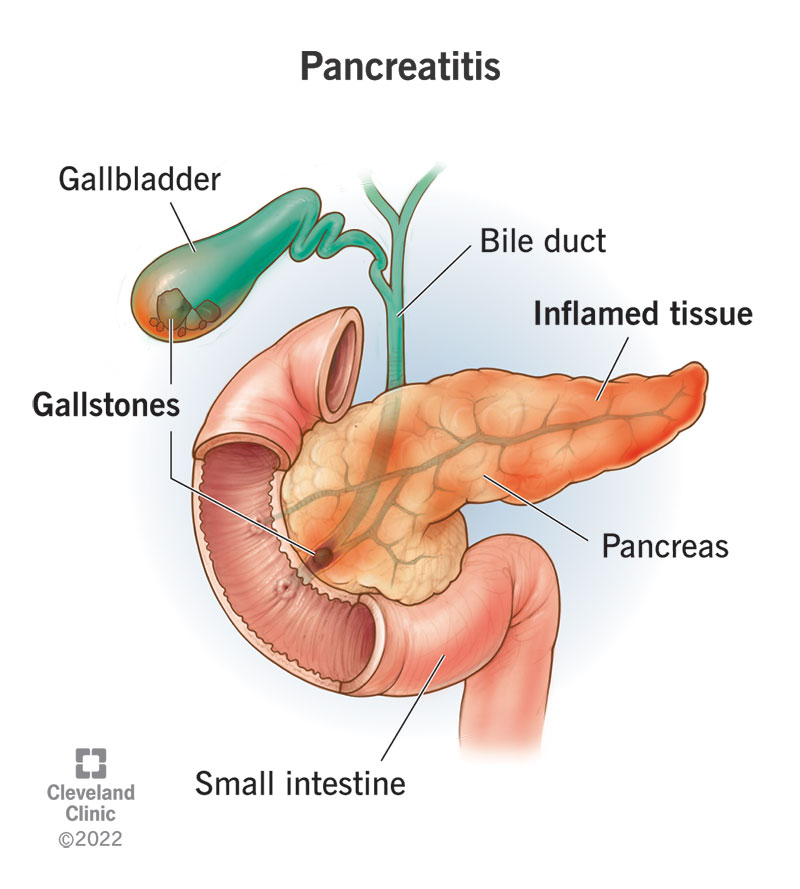
Gallstones are a very common cause of acute pancreatitis. A stone can move out of the gallbladder and temporarily block the area where the bile duct and pancreatic duct drain. That blockage can trigger inflammation in the pancreas.
Gallstone-related pancreatitis is especially important because the attack may not be the end of the story. If gallstones caused it once, the underlying gallbladder problem may need treatment to reduce the risk of another episode.
Alcohol
Heavy alcohol use is another major cause. Alcohol-related pancreatitis may occur after long-term heavy drinking, though the exact mechanism is complex and not fully the same in every patient. In practical terms, alcohol can make the pancreas more vulnerable to inflammation and injury.
If alcohol is identified as the cause, stopping alcohol use is one of the most important steps for preventing future attacks and reducing the risk of chronic pancreatic damage.
Other possible causes
Not every case comes from gallstones or alcohol. Other recognized causes include:
- very high triglycerides
- certain medicines
- high calcium levels
- viral infections
- pancreatic injury or procedures
- genetic disorders
- autoimmune disease
- structural problems affecting pancreatic drainage
Sometimes doctors cannot identify a clear reason even after testing. When no cause is found, the episode may be labeled idiopathic pancreatitis.
What happens during an acute pancreatitis attack?
Normally, pancreatic digestive enzymes are made in an inactive form and only switch on after reaching the small intestine. In acute pancreatitis, that timing goes wrong. Enzymes activate too early, inside the pancreas, and start damaging the tissue they were never meant to digest.
That early injury sets off inflammation. In mild cases, the inflammation settles with supportive treatment. In severe cases, the inflammatory response becomes much more widespread, reducing blood flow to pancreatic tissue, causing necrosis, and affecting organs elsewhere in the body.
How doctors diagnose acute pancreatitis
Acute pancreatitis is usually diagnosed in the hospital using a combination of symptoms, physical examination, blood tests, and imaging. Doctors also need to look for the cause and check whether complications are developing.
Blood tests
Blood tests often include pancreatic enzymes such as lipase and amylase, which commonly rise during acute pancreatitis. Doctors may also look at liver tests, calcium, blood sugar, blood fats such as triglycerides, kidney function, and markers of inflammation or infection.
Imaging
An ultrasound is often used to check for gallstones. A CT scan may be used if the diagnosis is uncertain, if the case appears severe, or if doctors need more detail about complications such as necrosis or fluid collections. Other imaging options can include MRCP or endoscopic ultrasound in selected cases.
Ruling out other causes of pain
Because upper abdominal pain can also come from ulcers, gallbladder inflammation, bowel problems, heart-related issues, and other emergencies, part of diagnosis is making sure the pain is not being caused by something else.
Treatment for acute pancreatitis
There is no single pill that directly “switches off” pancreatitis. Treatment is mainly supportive, which means giving the body what it needs while the inflammation settles and stepping in quickly if complications appear.
Typical hospital treatment may include:
- IV fluids to treat or prevent dehydration
- pain relief, often stronger medication than standard over-the-counter options
- anti-nausea treatment when needed
- nutritional support, sometimes including tube feeding if regular eating is not possible
- monitoring of urine output, breathing, blood pressure, and lab results to catch complications early
Older advice often emphasized prolonged fasting, but modern care increasingly aims to support nutrition appropriately rather than withholding food longer than necessary. The exact plan depends on how sick the person is and whether they can tolerate eating.
When procedures or surgery are needed
Some people need more than supportive care.
If gallstones are causing a blockage, doctors may need to remove the obstruction, sometimes using ERCP in the right clinical setting. If the gallbladder is the source of the problem, gallbladder removal may be recommended after the acute episode is managed to reduce the risk of recurrence.
If infected necrosis, abscess, or other major complications develop, treatment may involve antibiotics for confirmed infection, drainage procedures, endoscopic treatment, or surgery in selected cases.
Possible complications
Most cases are mild, but serious complications can happen. These include:
- pancreatic necrosis, where part of the pancreas loses blood flow and dies
- infection in dead or damaged tissue
- fluid collections or pseudocysts
- breathing problems
- kidney failure
- low blood pressure or shock
- multi-organ failure in severe cases
This is why even a condition that starts as abdominal pain may require close hospital monitoring. Doctors are not only treating pain; they are also watching for signs that the inflammation is becoming systemic and dangerous.
Recovery: how long does it take?
Recovery depends heavily on severity and cause. Many people with mild acute pancreatitis begin improving within several days and recover without lasting problems.
Severe pancreatitis is different. It can involve a longer hospital stay, nutritional support, procedures, and a slower return to normal eating and daily activity. Some people recover physically but feel weak, drained, or cautious with food for a while afterward.
The cause also shapes recovery. Someone whose attack was triggered by gallstones may need follow-up gallbladder care. Someone whose attack was related to alcohol needs a clear long-term plan to avoid recurrence. Someone with very high triglycerides may need medication and dietary changes.
Can acute pancreatitis come back?
Yes. Acute pancreatitis can recur if the underlying trigger is not addressed. A one-time attack does not automatically mean it will happen again, but repeated episodes become more likely when the root cause remains in place.
Preventing recurrence may involve:
- gallbladder surgery if gallstones were the cause
- avoiding alcohol completely if alcohol triggered the episode
- treating high triglycerides
- reviewing medications that may have played a role
- following up with specialists if the cause is unclear or unusual
When to seek urgent medical care
Get urgent medical help for:
- severe or persistent upper abdominal pain
- pain that spreads to the back
- repeated vomiting
- fever with abdominal pain
- faintness, weakness, confusion, or signs of dehydration
- trouble breathing
- worsening symptoms rather than improvement
Because pancreatitis can become serious quickly, it is safer to be evaluated than to assume the pain will pass on its own.
Practical prevention after an episode
Prevention is not one-size-fits-all. It depends on what caused the pancreatitis in the first place.
If the cause was gallstones, definitive gallbladder treatment may be part of preventing future attacks. If the cause was alcohol, long-term abstinence is typically advised. If high triglycerides were involved, management often includes diet changes, weight management when appropriate, tighter control of diabetes if present, and medications when needed.
A careful medication review can also matter, especially if doctors suspect a drug-related trigger. And if no cause is found, follow-up testing may still be needed to look more closely for stones, duct problems, or less common pancreatic disorders.
Outlook and prognosis
The overall outlook is often good in mild cases. Many people recover fully and do not develop lasting pancreatic damage from a single uncomplicated attack.
But severe acute pancreatitis carries real risk. Complications such as necrosis, infection, and organ failure can make it life-threatening, which is why early diagnosis and proper hospital management matter so much.