Tonsil Cancer: Symptoms, Causes, Risk Factors, and When to See a Doctor
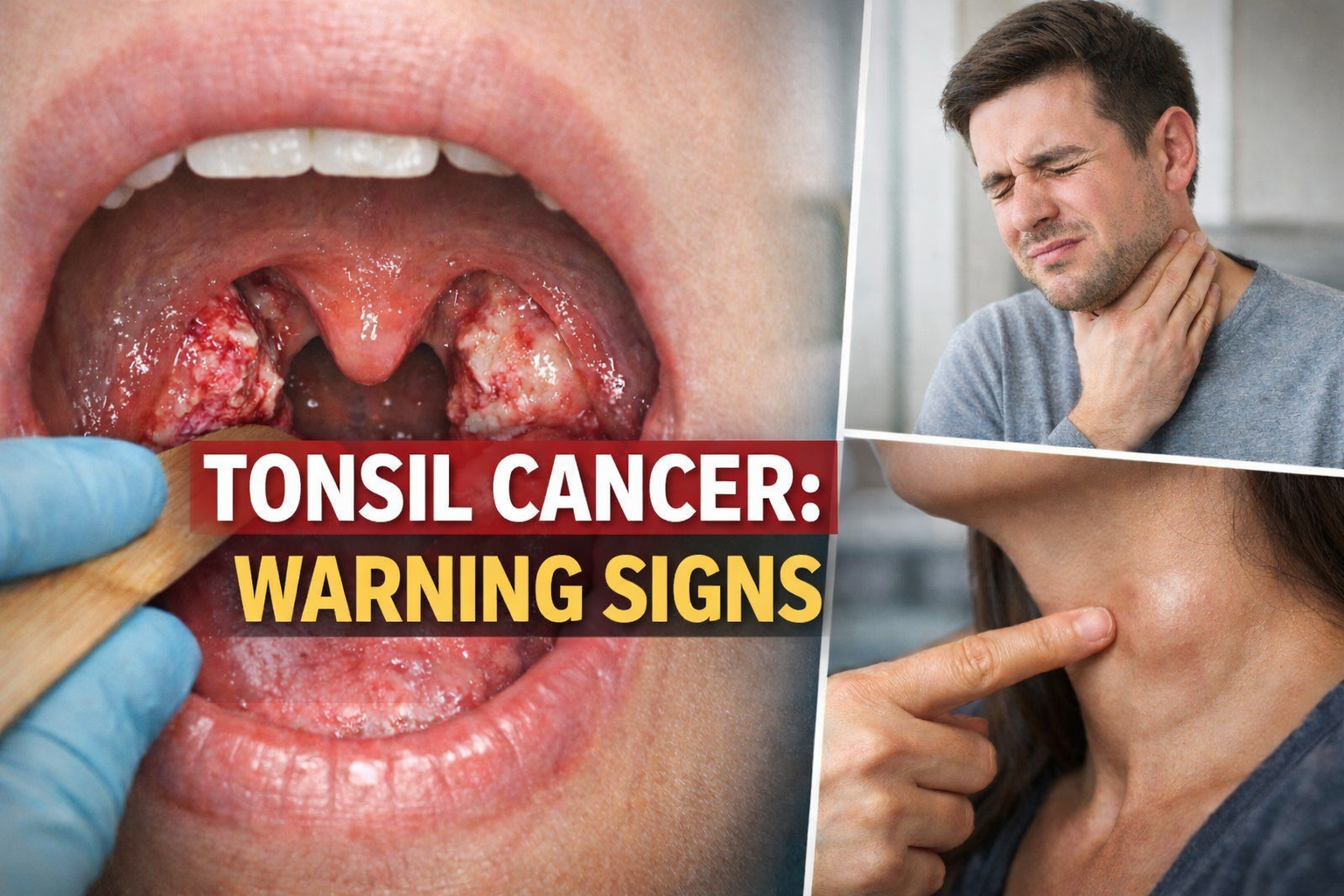
Tonsil cancer is a type of throat cancer that begins in the tonsils, the tissues at the back of the throat that help support the immune system. Although it is less common than many other cancers, it has gained more attention in recent years because its pattern is changing. In the past, tonsil cancer was more strongly linked to long-term tobacco and alcohol use. Today, many cases are also tied to human papillomavirus (HPV), including in younger adults who may not smoke or drink heavily.
That shift makes awareness especially important. Early symptoms can look a lot like common throat problems, which means some people ignore them for too long. A sore throat that does not go away, one-sided throat pain, trouble swallowing, or a lump in the neck should not be brushed off if symptoms persist.
This guide explains what tonsil cancer is, the warning signs to know, what may cause it, who is most at risk, and when medical evaluation is a good idea.
What Is Tonsil Cancer?
Tonsil cancer develops in the tonsils, most often in the palatine tonsils, which are the two oval-shaped masses visible on each side at the back of the throat. These tissues are part of the body’s lymphatic and immune system. Because they are exposed to air, food, drink, bacteria, and viruses, they can also be affected by abnormal cell changes.
Tonsil cancer is considered a form of oropharyngeal cancer, meaning it belongs to the group of cancers that affect the middle part of the throat. In some cases, cancer can also arise in nearby tonsillar tissue, including the lingual tonsils at the base of the tongue.
Types of Tonsil Cancer
Most tonsil cancers are squamous cell carcinomas. This means the cancer starts in the thin, flat cells that line the surface of the tonsils and surrounding throat tissue.
Less often, cancer in the tonsil area may be a lymphoma, which starts in immune cells. Rare tumor types can also occur, but squamous cell carcinoma is by far the most common.
A major distinction today is whether the tumor is:
- HPV-positive
- HPV-negative
This difference matters because the risk profile, age group, and disease pattern may vary between the two.
Why Tonsil Cancer Is Getting More Attention
Tonsil cancer is notable because its patient profile is no longer as predictable as it once was. Traditionally, it was seen more often in older adults with a history of smoking and heavy alcohol use. Now, more cases are being diagnosed in adults with no major tobacco history, often because of HPV-related disease.
That does not mean traditional risks have disappeared. Smoking and heavy drinking are still major concerns. It simply means more than one pathway can lead to tonsil cancer, and symptoms should not be dismissed just because a person does not fit the “usual” cancer stereotype.
Early Symptoms of Tonsil Cancer
In its early stages, tonsil cancer may cause mild symptoms that are easy to mistake for a lingering infection or irritation. This is one reason diagnosis can sometimes be delayed.
Common early signs include:
Persistent sore throat
A sore throat that lasts for weeks instead of improving within a few days may need medical attention, especially if it keeps returning or slowly gets worse.
One-sided throat pain
Pain that is stronger on one side can be more concerning than general throat discomfort. Many noncancerous throat infections affect both sides more evenly.
Feeling like something is stuck in the throat
Some people describe a constant sensation of fullness, irritation, or a foreign object in the throat even when they are not eating.
Mild voice changes
The voice may sound hoarse, muffled, or slightly different for no obvious reason.
Enlarged tonsil on one side
A tonsil that looks noticeably bigger than the other, especially if the asymmetry is new, should be checked.
Progressive Symptoms
As the disease grows, symptoms often become more noticeable and begin to interfere with eating, drinking, and speaking.
Difficulty swallowing
This may begin as discomfort with dry or solid foods and later progress to trouble swallowing softer foods or even liquids.
Pain when swallowing
Swallowing may become sharp, burning, or intensely uncomfortable.
Ear pain
Pain in one ear without a clear ear infection can happen because nerves in the throat and ear are connected. This is called referred pain.
Visible changes in the throat
There may be a sore that does not heal, a patch of abnormal tissue, bleeding, or a growth on or around the tonsil.
Bad breath that does not improve
Persistent bad breath can happen when tissue changes or ulceration develop in the mouth or throat.
Advanced Symptoms of Tonsil Cancer
More advanced disease may lead to symptoms that are harder to ignore.
Lump in the neck
A swollen lymph node in the neck can be one of the first signs people notice. It may feel firm and painless.
Unexplained weight loss
People may lose weight because swallowing becomes painful, appetite drops, or the body is under stress from the cancer.
Severe throat or mouth pain
Pain may become constant and begin to interfere with sleep, meals, and daily activities.
Breathing problems
If the tumor becomes large enough to narrow the airway, breathing may feel difficult. This requires urgent medical attention.
When to See a Doctor
A minor sore throat is common. What matters is how long symptoms last and whether they improve.
It is wise to seek medical evaluation if you have:
- a sore throat lasting more than 2 to 3 weeks
- one-sided throat pain that does not go away
- trouble swallowing
- a new lump in the neck
- unexplained ear pain
- persistent hoarseness or voice changes
- one tonsil that suddenly looks larger than the other
- unexplained weight loss
Severe trouble breathing or swallowing should be treated as urgent.
What Causes Tonsil Cancer?
Tonsil cancer does not have a single cause. It usually develops after genetic damage builds up in cells over time. That damage may be linked to viral infection, toxic exposures, lifestyle habits, or a combination of factors.
HPV and Tonsil Cancer
HPV is now one of the leading causes of many tonsil cancers, especially in developed countries. HPV is a very common virus spread through intimate skin-to-skin and sexual contact. Certain high-risk strains, especially HPV-16, are linked to cancers of the throat, cervix, anus, penis, vulva, and vagina.
In HPV-related tonsil cancer, the virus affects the cells in the throat and can interfere with normal cell control. Over time, those abnormal changes may become cancerous.
A few key points matter here:
- HPV infection is common.
- Most people with HPV do not develop cancer.
- HPV-related tonsil cancer can occur in people with no smoking history.
- These cancers may appear in younger adults than traditional tobacco-related cancers.
Tobacco Use
Smoking remains one of the strongest risk factors for tonsil cancer. Cigarettes, cigars, pipes, and smokeless tobacco expose the mouth and throat to cancer-causing chemicals. The longer and heavier the exposure, the greater the risk tends to be.
Even after quitting, risk does not drop overnight, but stopping tobacco use is still one of the most important ways to lower future cancer risk.
Alcohol Use
Heavy alcohol use is another major risk factor. Alcohol can irritate tissues and may make it easier for carcinogens to damage cells in the mouth and throat.
The danger is especially high when alcohol and tobacco are used together. Their combined effect is much stronger than either one alone.
Other Possible Contributing Factors
Tonsil cancer risk may also be influenced by:
- weakened immune function
- a history of head and neck cancer
- family history of related cancers
- long-term exposure to certain workplace chemicals or dusts
- poor oral health and chronic inflammation
These factors are not always direct causes, but they may contribute to risk in some people.
Major Risk Factors for Tonsil Cancer
Some of the most important known risk factors include the following.
HPV infection
High-risk HPV types play a major role in a growing share of cases.
Smoking or tobacco exposure
Current and former tobacco users generally face higher risk than people who never used tobacco.
Heavy alcohol consumption
Risk rises with regular heavy intake, especially alongside smoking.
Male sex
Tonsil cancer has historically been more common in men, although that gap may be changing.
Age
Many cases are diagnosed in middle-aged and older adults, but HPV-related disease may affect younger adults too.
Weakened immune system
People with immune suppression may be less able to clear infections and abnormal cells.
Prior head and neck cancer
A previous cancer in the same general region can increase the chance of another cancer developing.
Can You Get Tonsil Cancer Without Smoking?
Yes. This is one of the most important things readers should understand.
Although smoking is still a major risk factor, not all people with tonsil cancer have a history of tobacco use. HPV-related tonsil cancer can develop in people who otherwise appear healthy and have none of the classic lifestyle risks.
That is why persistent symptoms deserve attention regardless of age or smoking status.
Is Tonsil Cancer Common?
Tonsil cancer is not among the most common cancers overall, but it is an important part of the broader category of oral and throat cancers. Its importance has grown because HPV-related cases have increased over time.
For the average person, the absolute risk remains relatively low. Still, awareness matters because early detection can make a meaningful difference.
How Tonsil Cancer Is Diagnosed
Diagnosis typically starts with a medical evaluation of symptoms and a physical exam of the mouth, throat, and neck. If a doctor sees or feels something suspicious, the next steps may include:
Imaging tests
CT scans, MRI scans, or other imaging may be used to see the size of the tumor and whether nearby lymph nodes are involved.
Endoscopic examination
A specialist may use a small scope to examine the throat more closely.
Biopsy
A biopsy is the key step for diagnosis. A small tissue sample is removed and checked for cancer cells.
HPV testing on tumor tissue
If cancer is confirmed, the tumor may also be tested to determine whether it is HPV-related.
Can Tonsil Cancer Be Prevented?
There is no guaranteed way to prevent every case, but some steps may help lower risk.
Avoid tobacco
Not smoking and not using smokeless tobacco remain among the most effective prevention strategies.
Limit alcohol
Reducing heavy alcohol intake may lower risk, especially when paired with tobacco avoidance.
Consider HPV vaccination
HPV vaccination can prevent infection from the strains most strongly linked to several cancers. It is most effective when given before exposure to the virus.
Maintain good oral health
Regular dental care and good oral hygiene support overall mouth and throat health.
Do not ignore persistent symptoms
Prevention is important, but early evaluation is also critical. Persistent symptoms are not something to watch indefinitely.
Living With Risk Awareness
Learning about cancer can trigger unnecessary panic if the information is not put into perspective. Risk factors increase the chance of disease, but they do not guarantee it. Many people with risk factors never develop tonsil cancer, and some people with the disease have no obvious risk factors at all.
A helpful approach is to focus on what you can control:
- avoid tobacco
- moderate alcohol use
- keep up with medical and dental checkups
- stay informed about HPV vaccination
- seek care for symptoms that do not improve
That is far more useful than trying to predict the future based on fear.
Frequently Asked Questions
What are the first signs of tonsil cancer?
Early signs may include a sore throat that does not go away, one-sided throat pain, difficulty swallowing, ear pain, voice changes, or one tonsil appearing larger than the other.
Can tonsil cancer feel like tonsillitis?
Yes. Early tonsil cancer can resemble tonsillitis or another throat infection. The difference is that cancer-related symptoms often persist, gradually worsen, or fail to respond as expected.
Does tonsil cancer always cause a lump in the neck?
No. A neck lump can happen when lymph nodes become involved, but not every person notices this first. Some people initially have throat symptoms instead.
Is one swollen tonsil always cancer?
No. A swollen tonsil can happen for many noncancerous reasons, including infection or inflammation. But new or persistent one-sided enlargement should be checked by a healthcare professional.
Can you get tonsil cancer after having your tonsils removed?
It is less likely, but cancer can still develop in remaining tonsillar tissue or nearby areas of the throat.
Is tonsil cancer contagious?
No. The cancer itself is not contagious. However, HPV, which may contribute to tonsil cancer, can spread through intimate contact.
If I have HPV, will I get tonsil cancer?
No. Most HPV infections do not lead to cancer. In many people, the immune system clears the virus naturally.
What age does tonsil cancer usually happen?
It can occur across a wide age range. Traditional cases have been more common in older adults, while HPV-related disease may appear in younger adults.
Which doctor should I see for possible tonsil cancer?
A primary care doctor can be a good first step. If needed, you may be referred to an ENT specialist, also called an otolaryngologist.
Is there a routine screening test for tonsil cancer?
There is no standard screening program for tonsil cancer in the general population. Regular dental and medical visits can still help spot concerning changes early.
Final Thoughts
Tonsil cancer is a serious condition, but awareness can help people recognize warning signs earlier. Persistent throat symptoms, trouble swallowing, unexplained ear pain, or a lump in the neck should not be ignored, especially when they last more than a couple of weeks.
The biggest risk factors include HPV, tobacco use, and heavy alcohol intake, but the disease can also occur in people without the traditional profile. That is why it is important to pay attention to symptoms rather than assumptions.
Knowing what to watch for, understanding the major causes and risk factors, and seeking medical advice when symptoms linger are practical steps that can support earlier diagnosis and better outcomes.