Fibromialgia (Fibromyalgia): Symptoms, Causes, Diagnosis, Treatment, and Practical Ways to Feel More in Control

Fibromialgia, known in English as fibromyalgia, is a long-term pain condition that can affect far more than muscles and joints. Many people think of it as “pain everywhere,” but that description is too small. It can also bring deep fatigue, poor sleep, mental fog, mood strain, and a frustrating sense that everyday life suddenly takes more energy than it should. For some people, getting dressed, carrying groceries, focusing at work, or making dinner can feel harder than anyone around them realizes.
What makes fibromyalgia especially difficult is that it is real, common, and disruptive, yet it is still misunderstood. It does not show up on a single simple lab test, and it does not always look dramatic from the outside. That can leave people doubting their own body, or feeling dismissed by others. At the same time, there are evidence-based ways to manage symptoms, improve function, and build a life that feels more stable and predictable.
This guide explains what fibromialgia is, what may contribute to it, what symptoms to watch for, how diagnosis usually works, and what practical day-to-day management can look like. It is written for education, not for self-diagnosis, and it should not replace care from a qualified healthcare professional, especially if symptoms are new, severe, or changing.
 Table Of Contents
- Understanding fibromialgia
- Types Of fibromialgia
- Causes Of fibromialgia
- Symptoms Of fibromialgia
- Risk Factors
- Diagnosis Process
- Living With fibromialgia
- Prevention Strategies
- Practical Examples
- Conclusion
- Frequently Asked Questions
- Final Editorial Disclaimer
- References
Understanding fibromialgia
Fibromialgia is a chronic disorder marked by widespread pain and tenderness, usually together with fatigue and sleep problems. Many people also notice trouble concentrating, memory lapses, mood changes, headaches, digestive discomfort, or increased sensitivity to light, noise, smell, or temperature. In simple terms, the body’s pain system seems to become more reactive, so sensations that might feel minor to someone else can feel much more intense.
This is one reason fibromyalgia can be confusing. A person may look fine on the outside, yet feel unwell much of the time. The condition is not simply “being tired,” “getting older,” or “having sore muscles.” It is a recognized long-term health problem that can reduce quality of life, interfere with work, limit social activity, and make ordinary tasks harder to complete.
It is also important to understand what fibromyalgia is not. It is not a form of arthritis, even though pain and stiffness can make it feel similar. It also does not mean damage is happening everywhere in the body at once. Instead, current understanding points more toward altered pain processing and increased pain sensitivity than toward one single injured body part.
In real life, fibromyalgia often behaves like a condition with “good days” and “bad days.” Symptoms can rise and fall. A person may manage a busy morning and then feel wiped out for the rest of the day. Someone else may sleep for eight hours but wake up feeling as if they barely rested. That mismatch between effort and recovery is part of why fibromyalgia can be so disruptive.
Types Of fibromialgia
There is not one universally used staging system for fibromyalgia in the way some diseases have formal stages or lab-based severity levels. In practice, clinicians usually look at the overall symptom pattern: how widespread the pain is, how much fatigue and sleep disruption are present, whether concentration is affected, and how strongly symptoms interfere with daily life. Diagnosis depends on symptoms, history, and evaluation rather than on a single confirmatory test.
Even without official “types,” many people find it helpful to think in patterns:
Pain-dominant fibromialgia
Some people mainly struggle with body pain, stiffness, tenderness, and feeling sore after even modest activity. Their biggest issue is often not motivation, but pain load. They may describe aching in the back, shoulders, hips, legs, chest, or arms, and simple movement can feel more demanding than it used to.
Fatigue-and-sleep dominant fibromialgia
Others feel that exhaustion is the main problem. Pain is present, but the more disabling features may be unrefreshing sleep, morning heaviness, daytime fatigue, and the sense that energy disappears too quickly. Sleep disorders such as restless legs syndrome or sleep apnea can overlap and make this pattern worse.
Cognitive-and-sensitivity dominant fibromialgia
Some people are most troubled by “fibro fog,” sensory overload, headaches, and mental fatigue. They may struggle to focus during meetings, lose words mid-sentence, or feel drained by loud environments, busy schedules, or too many decisions at once. This pattern can be particularly frustrating because it affects work, planning, reading, and conversation.
Overlapping-condition fibromialgia
Fibromyalgia often exists alongside other issues such as headaches, irritable bowel syndrome, jaw pain, anxiety, depression, or other chronic pain conditions. In these cases, the person is not dealing with one clean symptom list but with a layered set of problems that influence one another. Poor sleep can worsen pain, pain can worsen mood, stress can worsen gut symptoms, and the cycle can keep reinforcing itself.
Causes Of fibromialgia
The exact cause of fibromyalgia is still not fully known. That matters because it explains why there is no single cure and why treatment usually focuses on managing symptoms from several angles at once. Current evidence points to increased pain sensitivity and altered signaling in the nervous system, rather than to one simple structural injury.
Researchers believe the brain and spinal cord may process pain signals differently in people with fibromyalgia. In practical terms, the body seems to turn up the “volume” on discomfort. A sensation that might normally feel mildly irritating can feel draining, distracting, or painful. This does not mean the pain is imagined. It means the pain-processing system itself may be more reactive.
Fibromyalgia may begin after a trigger, but not always. Some people notice symptoms after a physical injury, surgery, infection, or intense emotional stress. Others cannot point to one clear starting event and instead feel that symptoms built gradually over time. This gradual onset is one reason people often wait months or even years before seeking a thorough evaluation.
Genes may also play a role. Fibromyalgia can run in families, which suggests that inherited traits may affect pain sensitivity or vulnerability. But genetics are not the whole story. Many people with fibromyalgia have no known family history, which is why most experts think the condition likely develops through a mix of biology, environment, life stressors, and other health issues rather than one single cause.
Certain health problems can increase the likelihood of fibromyalgia or make the symptom picture more complicated. These include rheumatic diseases, chronic pain conditions, anxiety, depression, irritable bowel syndrome, and sleep disorders. That does not mean one directly “causes” the other in every person, but it does show that fibromyalgia often exists in a wider health context rather than in isolation.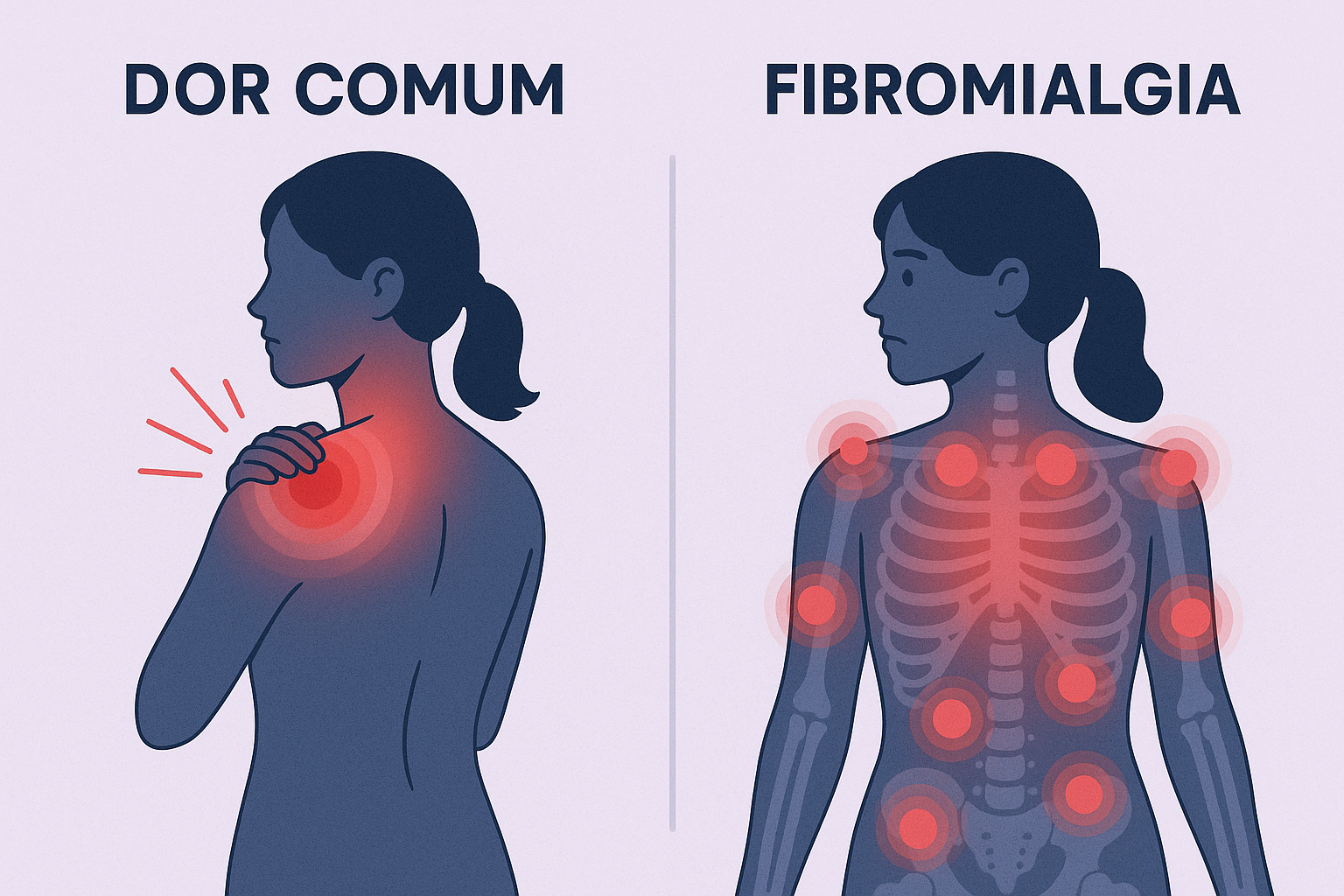
Symptoms Of fibromialgia
The main symptom is widespread pain. This pain may feel dull, burning, throbbing, aching, or tender to touch. It can affect the arms, legs, back, hips, chest, abdomen, neck, or buttocks. Some people say they hurt all over. Others feel pain that moves, shifts, or flares in certain regions more than others.
Another major symptom is fatigue that does not match the amount of rest you got. A person may sleep for many hours and still wake up feeling drained. This is not ordinary tiredness after a busy day. It can feel like the body never fully resets, which makes work, driving, exercise, parenting, and concentration harder than they should be.
Sleep trouble is common and can be both a symptom and an amplifier. Some people have trouble falling asleep. Others wake often, toss and turn, or wake feeling stiff and unrested. Sleep apnea and restless legs syndrome can overlap with fibromyalgia, so it is important not to assume every sleep problem is “just part of fibro.”
Many people also experience cognitive symptoms, often called fibro fog. This may show up as forgetfulness, slower thinking, trouble focusing, difficulty following conversations, or feeling mentally overloaded by tasks that used to be manageable. For office workers, this might mean rereading the same email three times. For parents, it might mean forgetting appointments or feeling mentally wiped out by normal household planning.
Fibromyalgia can also involve stiffness, tenderness, numbness or tingling, headaches, digestive issues, mood symptoms, and heightened sensitivity to noise, lights, smells, or temperature. These symptoms do not happen in every person, and they do not always arrive together. That variability is one reason fibromyalgia can be overlooked or mistaken for several separate problems.
Symptoms also tend to flare. Pain may get worse with stress, anxiety, poor sleep, cold or damp weather, or too much activity. Some people feel relatively stable for days and then crash after pushing too hard. Others notice pain is worse in the morning or later at night. Learning your own pattern is often one of the most useful parts of long-term management.
What symptoms can look like in daily life
In real life, fibromyalgia may look like:
- Needing extra time to get moving in the morning
- Avoiding stairs on bad days
- Skipping social plans because the body feels heavy and sore
- Having trouble sitting through a long workday without pain building up
- Feeling mentally slower after a poor night of sleep
- Becoming overwhelmed when too many tasks pile up at once
These experiences are not “proof” of fibromyalgia by themselves, but they are examples of how symptoms can show up outside the clinic.
Risk Factors
Fibromyalgia can affect anyone, including children, but it is more often diagnosed in women than in men. It is also commonly identified in adulthood, with risk increasing with age and onset often occurring in middle age. That does not mean younger adults cannot have it. It means the condition becomes more common as people get older.
Family history may matter. Fibromyalgia tends to run in families, which suggests that some people inherit a greater tendency toward the kinds of nervous-system sensitivity involved in chronic pain. Family history alone does not determine who will develop it, but it may raise the background risk.
Other medical conditions can raise the chance of developing fibromyalgia or make symptoms harder to untangle. These include rheumatoid arthritis, lupus, ankylosing spondylitis, osteoarthritis, chronic back pain, irritable bowel syndrome, and mood disorders such as anxiety and depression. When pain, sleep, mood, and stress overlap, the whole symptom burden can become heavier.
Lifestyle and environment may also matter, especially when they affect sleep, recovery, stress load, or chronic pain. Repeated overexertion, poor sleep habits, an all-or-nothing activity pattern, and unaddressed mental strain may not directly “cause” fibromyalgia in a simple sense, but they can make symptoms more intense and harder to manage.
A final risk factor is misunderstanding the condition. When a person keeps pushing through severe pain and fatigue without a plan, symptoms often become less predictable. That is why education matters. Understanding the condition early can help people avoid cycles of overdoing it, crashing, then doing too little to recover function.
Diagnosis Process
Fibromyalgia is usually a clinical diagnosis. That means a healthcare professional diagnoses it by listening to your symptom history, asking about sleep, fatigue, mood, and daily function, and doing a physical exam. There is no single blood test, scan, or biopsy that confirms it by itself.
One major part of diagnosis is the pattern of pain. Widespread pain lasting at least three months is a key feature. Current evaluation focuses on whether pain affects multiple body regions rather than relying only on the old “tender point” approach many people still hear about online. Tender points are not required for diagnosis now.
A clinician also has to consider what else could be causing similar symptoms. Blood tests or imaging may be ordered, not because they prove fibromyalgia, but because they help rule out other conditions such as inflammatory disease, thyroid-related problems, lupus, rheumatoid arthritis, or other disorders linked with pain and fatigue.
Sleep evaluation can be an important part of the workup. If a person snores loudly, wakes gasping, has severe daytime sleepiness, or has symptoms of restless legs syndrome, a sleep study may be appropriate. Treating an overlapping sleep disorder does not “erase” fibromyalgia in every case, but it can significantly improve how a person feels.
Because fibromyalgia overlaps with anxiety, depression, irritable bowel syndrome, headaches, and chronic fatigue-like symptoms, diagnosis sometimes takes time. That delay is frustrating, but a careful evaluation is worthwhile. It reduces the risk of missing another condition and helps build a treatment plan that fits the full picture, not just the pain.
Living With fibromialgia
Living with fibromyalgia usually means learning management rather than chasing one perfect fix. There is no single treatment that works for everyone, and most people do best with a combination of approaches. The goal is not only to reduce pain, but also to improve sleep, function, mood, confidence, and the ability to handle daily life with fewer crashes.
Movement matters, but pacing matters too
Regular movement is one of the most consistently helpful tools for fibromyalgia. That does not mean intense workouts or “no pain, no gain.” It means gentle, steady activity that builds tolerance over time. Walking, swimming, cycling, stretching, strengthening work, and water-based exercise can all be useful. The key is to start below your limit and increase slowly enough that the plan is sustainable.
Many people make the same mistake in the beginning: they do too much on a “good day,” then spend the next day or two recovering. A better strategy is consistent moderate effort. Ten minutes of walking five days a week often helps more than one heroic hour followed by a flare. Fibromyalgia usually responds better to rhythm than to extremes.
Sleep is not optional self-care
Improving sleep can reduce pain burden, support energy, and make other strategies work better. Helpful habits include going to bed and waking up at similar times, keeping the bedroom cool and quiet, reducing long daytime naps, and avoiding the habit of using the bed as a place for scrolling, working, or worrying. When sleep quality stays poor, it is worth discussing insomnia, sleep apnea, or restless legs with a clinician.
Stress management is practical, not decorative
Stress does not mean fibromyalgia is “just stress.” But stress can worsen symptoms, lower pain tolerance, disrupt sleep, and push the nervous system into a more reactive state. Techniques such as mindfulness, breathing exercises, counseling, cognitive behavioral therapy, pacing, and structured relaxation may help some people manage the cycle more effectively.
Medication can help, but it is usually only one piece
Some people benefit from medication, especially when pain, sleep disruption, or fatigue are significantly affecting daily life. Commonly used options include duloxetine, milnacipran, pregabalin, and sometimes other medicines chosen based on the symptom pattern. In the United States, duloxetine, milnacipran, and pregabalin are among the medications specifically approved for fibromyalgia. Medication decisions depend on the individual, side effects, and what symptoms are most disabling.
Opioids are generally not recommended for fibromyalgia. They may lead to side effects, dependence, and in some cases worsening pain over time. That can be disappointing to hear when pain is severe, but it is an important safety point. Better long-term management usually comes from combining non-drug strategies with carefully chosen treatments rather than relying on opioids alone.
Daily-life adjustments can be surprisingly powerful
Practical changes at home and work can reduce symptom load. These may include using a chair with better support, breaking chores into shorter blocks, sitting while folding laundry, using grocery delivery during flares, scheduling demanding tasks earlier in the day, or saving energy for the activities that matter most. Occupational therapy can help people make these adjustments in a structured way.
Emotional health deserves direct attention
Chronic pain changes how people live, think, and relate to others. Over time, it can lead to grief, frustration, fear of activity, or feeling guilty for not functioning the way you used to. Getting help for anxiety, depression, or pain-related distress is not separate from fibromyalgia care. It is part of fibromyalgia care.
Prevention Strategies
There is no guaranteed way to prevent fibromyalgia altogether because the exact cause is not fully understood. Still, people can often lower symptom burden, reduce flare frequency, or support long-term function by managing the factors that commonly worsen the condition.
A consistent sleep routine is one of the most practical strategies. Poor sleep tends to intensify pain and fatigue, so protecting sleep is not a luxury. It is part of symptom management. If sleep remains poor despite good habits, evaluation for sleep disorders can be worthwhile.
Regular gentle exercise can also help prevent the “deconditioning” spiral in which pain leads to inactivity, inactivity reduces stamina, and lower stamina makes pain and fatigue feel even worse. The goal is not to become an athlete overnight. The goal is to keep the body moving often enough that capacity does not keep shrinking.
Stress reduction is another protective habit. That may mean cutting back on overload, saying no more often, using brief breathing breaks during the day, or addressing relationship, work, or financial stress where possible. Stress management will not cure fibromyalgia, but it can reduce one of the major drivers of symptom escalation.
Treating overlapping problems matters too. Anxiety, depression, restless legs syndrome, sleep apnea, headaches, digestive issues, and other chronic pain conditions can all increase the total symptom burden. A person who only treats “pain” while ignoring poor sleep or mental strain may feel stuck even when trying hard.
Finally, avoid the all-or-nothing pattern. Doing too much when symptoms briefly ease, then collapsing afterward, is one of the most common reasons people feel they are “never making progress.” Stable routines, measured increases in activity, and realistic expectations usually work better than short bursts of overexertion.
Practical Examples
A simple beginner-friendly daily routine
This is an example of a low-pressure routine someone with fibromyalgia might try:
Morning
- Wake at the same time most days
- Spend 3 to 5 minutes doing gentle stretches before moving fast
- Eat an easy breakfast such as oatmeal with yogurt, eggs with toast, or fruit with peanut butter
- Take a short walk, even if it is only 5 to 10 minutes
Midday
- Alternate mentally demanding tasks with lighter tasks
- Use a timer to remind yourself to change position
- Eat a simple lunch that does not require much effort, such as soup, a sandwich with protein, or rice with vegetables and beans
- Take a brief reset break before energy crashes, not after
Evening
- Do a short mobility session, warm shower, or light household task instead of a strenuous workout
- Keep dinner simple on low-energy days: grilled chicken or tofu, frozen vegetables, rice, potatoes, salad kits, or leftovers
- Start winding down at roughly the same time each night
- Reduce screens and mental stimulation before bed
This kind of routine works not because it is perfect, but because it reduces chaos, supports pacing, and protects sleep.
A pacing checklist for flare-prone days
When symptoms are building, ask yourself:
- Did I do too much yesterday because I felt briefly better?
- Have I skipped meals or water because I was busy?
- Am I trying to do everything in one block instead of splitting it up?
- Have I been sitting too long without changing position?
- Is stress higher than usual?
- Have I been sleeping poorly for several nights?
These questions can help identify patterns that feel random at first but often are not. Fibromyalgia flares may not always be preventable, but they often become more understandable over time.
A practical “do” and “don’t” list
Do
- Start low and go slow with exercise
- Keep sleep and wake times as regular as possible
- Track symptoms, activity, and sleep for a few weeks
- Discuss persistent fatigue, depression, anxiety, or snoring with a clinician
- Use supportive tools such as heating pads, stretching, scheduled breaks, or ergonomic changes
Don’t
- Assume every new symptom is “just fibro”
- Push to exhaustion on good days
- Stop all activity unless a clinician tells you to
- Rely on internet supplements without checking for safety
- Expect one medicine or one habit to fix everything
This balanced approach tends to work better than either panic or denial.
A gentle movement plan for the first two weeks
Days 1 to 4:
Walk 5 to 10 minutes at a comfortable pace. Add 3 minutes of light stretching afterward.
Days 5 to 8:
Repeat the walk. Add one very light strength exercise, such as sit-to-stand from a chair for 1 set of 5 to 8 reps.
Days 9 to 14:
Increase walking by 2 to 5 minutes only if recovery is reasonable the next day. Keep intensity easy enough that you could still hold a conversation.
This slow build may feel almost too easy, but for many people with fibromyalgia, that is exactly the point. Sustainable progress usually starts with an amount the body can actually recover from.
When to see a healthcare professional soon
Make an appointment if pain, fatigue, poor sleep, or brain fog are disrupting daily life, if symptoms are getting worse, or if you suspect overlapping issues such as depression, anxiety, sleep apnea, or restless legs syndrome. Fibromyalgia is manageable, but it is much easier to manage when the full symptom picture is assessed rather than guessed at.
When symptoms need urgent medical attention
Do not assume everything is fibromyalgia. Seek urgent or emergency care for symptoms such as new or unexplained chest pain, shortness of breath, fainting, unusual bleeding, a severe headache, confusion, trouble speaking, or new weakness or numbness on one side of the body. Thoughts of self-harm also need immediate help. Those symptoms can point to problems far more urgent than a fibromyalgia flare.
Conclusion
Fibromialgia, or fibromyalgia, is a real chronic condition that can affect pain, sleep, energy, concentration, and mood all at once. Its symptoms are often invisible to other people, but they can be very disruptive in daily life. The most useful mindset is usually not “How do I make this disappear overnight?” but “How do I make this more predictable, more manageable, and less controlling over time?”
For most people, the best next step is not a miracle product or an extreme plan. It is a careful evaluation, a realistic routine, and a combination of strategies that may include movement, sleep support, stress management, counseling, and medication when appropriate. Small changes repeated consistently often do more than big efforts that cannot be sustained.