Food Poisoning: Symptoms, Causes, and Prevention
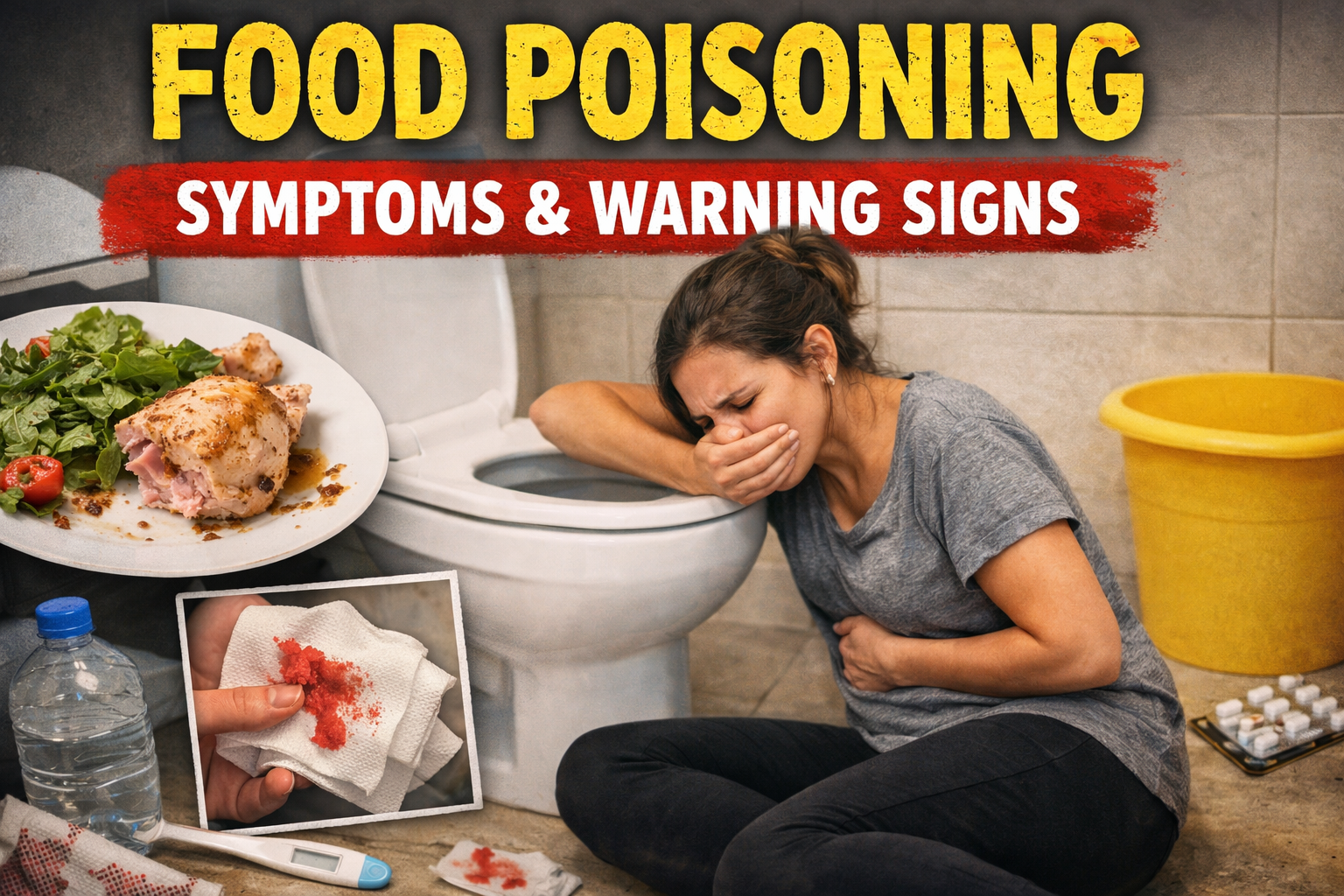
Food poisoning is a common term for illness caused by eating or drinking something contaminated. It often leads to nausea, vomiting, diarrhea, or stomach cramps, but the exact pattern can vary depending on whether the trigger is a bacterium, virus, parasite, toxin, or chemical.
Most cases are mild and improve within a few days. Still, some situations deserve closer attention, especially when symptoms are severe, dehydration develops, or the person affected is pregnant, older, very young, or immunocompromised. CDC notes that severe food poisoning may involve bloody diarrhea, frequent vomiting, fever above 102°F, dehydration, or diarrhea lasting more than 3 days.
- Food poisoning is a broad term for illness caused by contaminated food or drink.
- Common symptoms include diarrhea, vomiting, nausea, stomach cramps, and fever.
- The timing can vary: some cases start within hours, while others appear a day or more later.
- The biggest immediate concern in many cases is dehydration, especially if vomiting or diarrhea is ongoing.
- Prevention depends on a few core habits: keep hands and surfaces clean, avoid cross-contamination, chill food promptly, and cook high-risk foods thoroughly.
- Warning signs such as bloody stool, high fever, persistent vomiting, and signs of dehydration should not be ignored.
What Is Food Poisoning?
Food poisoning, also called foodborne illness, refers to becoming sick after consuming contaminated food or beverages. “Contaminated” can mean several things: harmful germs, toxins made by germs, natural toxins, or certain chemicals.
This matters because “food poisoning” is not one single disease. It is a practical umbrella term. Two people can both say they have food poisoning, yet the cause, timing, and severity may be very different.
Food poisoning vs. a “stomach bug”
The symptoms of food poisoning can overlap with viral gastroenteritis and other digestive problems. That is one reason the exact cause is not always obvious from symptoms alone.
For the average reader, the more useful question is usually not “Which germ was it?” but rather:
- How severe are the symptoms?
- Is dehydration becoming a problem?
- Are there any red flags?
What Happens in the Body?
Once contaminated food is eaten, the body may react in several ways. Some germs infect the digestive tract directly. Others release toxins that irritate the gut. In both cases, the result is often inflammation and a rapid attempt by the body to clear the problem.
That is why symptoms such as vomiting and diarrhea are so common. They are unpleasant, but they are also part of the body’s response to something harmful in the digestive system.
Why the timing can vary
Not all causes act at the same speed. Some toxins can trigger symptoms fairly quickly. In other cases, the germ needs time to multiply or irritate the intestinal lining before symptoms appear.
This is also why the “last food you ate” is not always the culprit. Symptoms may begin hours later or even after a day or more, depending on the cause.
Why dehydration matters
Vomiting and diarrhea can lead to significant fluid and electrolyte loss. That is often the most important short-term risk in otherwise healthy adults. CDC guidance for diarrheal illness highlights fluid and electrolyte replacement as a key priority.
 Common Causes and Who Is More at Risk
 Common Causes and Who Is More at Risk
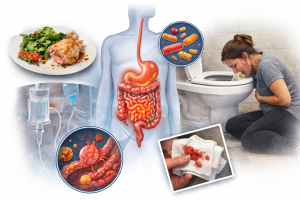
Food poisoning usually comes from one of three broad sources: germs, toxins, or contamination during handling and storage.
Germs and toxins
Common infectious causes include bacteria such as Salmonella, Campylobacter, E. coli, and Listeria, as well as viruses such as norovirus. CDC notes that norovirus is a leading cause of vomiting, diarrhea, and foodborne illness in the United States.
Some illnesses happen because the food itself contains a toxin, while others happen because germs multiply in the body after the food is eaten.
Foods and situations linked with higher risk
Higher-risk foods and settings often include:
- undercooked poultry or ground meat
- raw or undercooked eggs
- unpasteurized dairy
- raw shellfish
- deli meats and ready-to-eat foods stored improperly
- fresh produce exposed to contaminated water or handling
- buffets, catered meals, and food left in unsafe temperature ranges
Food safety agencies emphasize proper temperature control because bacteria grow more easily in the so-called “danger zone.” Safe cooking temperatures are especially important for meat, poultry, fish, and egg dishes.
Who may become sicker more easily
Some groups are more likely to develop serious illness or complications:
- pregnant people
- adults aged 65 and older
- infants and young children
- people with weakened immune systems or major chronic illness
CDC specifically identifies these groups as being at increased risk for food poisoning and for worse outcomes from certain pathogens.
Food Poisoning Symptoms
Symptoms can range from mild stomach upset to more serious illness. The most common symptoms include:
- diarrhea
- nausea
- vomiting
- stomach pain or cramps
- fever
- fatigue
These are among the symptoms listed by CDC and NHS for food poisoning.
Symptoms can be vague at first
Early food poisoning does not always look dramatic. Some people start with only mild cramping, loss of appetite, or queasiness. Others develop vomiting or diarrhea quickly.
Because these symptoms are not unique to food poisoning, context matters. Recent restaurant meals, undercooked food, questionable leftovers, sick contacts, travel, or buffet-style eating may make foodborne illness more likely.
How long does it usually last?
Many mild cases improve within a few days. NHS notes that food poisoning is usually not serious and often gets better within about a week.
Still, duration alone is not the only issue. A shorter illness can still be serious if dehydration is severe, and a longer illness may need medical review even when symptoms seem moderate.
Signs that symptoms may be more serious
Pay closer attention if there is:
- blood in the stool
- fever above 102°F
- frequent vomiting
- diarrhea lasting more than 3 days
- dizziness, dry mouth, dark urine, or reduced urination
- unusual weakness, confusion, or neurological symptoms
These are among the warning signs identified in CDC materials.
What Can Happen If It Is Ignored?
The main reason not to dismiss food poisoning is that complications can develop even when the original trigger seems simple.
Dehydration and electrolyte imbalance
The most common complication is dehydration. Repeated vomiting or diarrhea can make it hard to keep up with fluid losses, and that can affect energy, blood pressure, and normal body function.
Signs of dehydration may include:
- excessive thirst
- dry mouth
- reduced urination
- darker urine
- dizziness or lightheadedness
- unusual tiredness
Both CDC and NHS resources stress fluid replacement as a central part of supportive care.
Why certain groups need more caution
Pregnancy, older age, early childhood, and reduced immune function can change how the body responds to infection. For example, some pathogens pose special risks during pregnancy, while older adults may be more likely to be hospitalized after certain foodborne infections.
That does not mean every case will become severe. It means the threshold for seeking medical advice should be lower.
Prevention Habits That Matter Most
Prevention is where food poisoning guidance becomes most useful. You do not need dozens of rules. A few core habits make the biggest difference.
1. Clean
Wash hands with soap and water before handling food, after using the bathroom, after touching raw meat, and after touching surfaces that may carry germs.
Keep counters, cutting boards, and utensils clean. This is especially important after preparing raw poultry, meat, eggs, or seafood. CDC and NHS food safety guidance both emphasize hygiene as a basic prevention step.
2. Separate
Keep raw meat, poultry, and seafood away from foods that are ready to eat. Use separate cutting boards or wash equipment thoroughly between tasks.
Cross-contamination is a major avoidable route of foodborne illness. It often happens in ordinary home kitchens, not only in commercial settings.
3. Chill
Refrigerate perishable foods promptly. Do not leave cooked foods sitting out for long periods, especially at parties, buffets, picnics, or in hot weather.
Cold storage slows bacterial growth, but it does not make unsafe food safe again. Some organisms, such as Listeria, are notable because they can still grow under refrigeration in some situations.
4. Cook
Cook food to safe internal temperatures rather than relying on appearance alone. FDA notes that color and texture are unreliable indicators; a food thermometer is the safer method.
Examples from FDA guidance:
- poultry: 165°F
- ground meat: 160°F
- fish: 145°F
- whole cuts of beef, pork, veal, lamb: 145°F with rest time
Safer shopping and storage habits
A few practical habits help:
- choose chilled foods last when shopping
- refrigerate groceries soon after purchase
- store raw meat on lower shelves to reduce dripping onto other foods
- label leftovers so they do not sit too long
- thaw foods in the refrigerator, cold water, or microwave when appropriate, not on the counter
Extra caution with leftovers, buffets, and outdoor meals
Large-batch meals and buffet foods carry additional risk when they stay warm for too long without being kept hot enough. FDA guidance for buffets advises keeping hot foods at 140°F or warmer.
Outdoor meals can also be risky because coolers warm up, serving dishes sit out, and people handle food repeatedly. In those settings, planning matters as much as cooking.
When to See a Doctor or Seek Urgent Care
Many cases can be managed with rest and fluids. But some symptoms should lead to medical advice rather than watchful waiting.
Contact a clinician if:
- symptoms are getting worse instead of better
- diarrhea lasts more than 3 days
- vomiting makes it hard to keep fluids down
- there is a high fever
- dehydration seems to be developing
- the person affected is pregnant, elderly, immunocompromised, or very young
CDC and NHS both support medical assessment when symptoms are prolonged, severe, or associated with dehydration.
Seek urgent evaluation if:
- there is blood in the stool or vomit
- the person seems confused or very weak
- urination becomes very limited
- there is severe abdominal pain
- neurological symptoms appear, such as trouble speaking, weakness, or visual changes
These symptoms may point to more serious complications or to a condition that should not be assumed to be routine food poisoning.
Common Myths About Food Poisoning
“If it smells fine, it is safe”
Not necessarily. Harmful germs do not always change the smell, taste, or appearance of food.
“Reheating always fixes the problem”
Reheating can reduce some microbial risk, but it does not automatically reverse every form of contamination. In some cases, toxins may still matter, and reheating is only helpful if the food reaches a safe temperature throughout.
“It must have been the last thing I ate”
Not always. Because symptom onset can vary, the trigger may have been eaten earlier.
“Only restaurant food causes food poisoning”
No. Foodborne illness can begin anywhere food is handled, including home kitchens, social events, packed lunches, outdoor gatherings, and travel settings.
Final Thoughts
Food poisoning is common, and in many adults it improves without lasting problems. The most useful things to remember are straightforward: watch for dehydration, take warning signs seriously, and focus on a few consistent food safety habits.
For everyday prevention, the strongest foundation is simple: clean hands and surfaces, separate raw and ready-to-eat foods, chill promptly, and cook thoroughly. If symptoms are severe, last longer than expected, or affect someone at higher risk, medical advice is the safer next step.