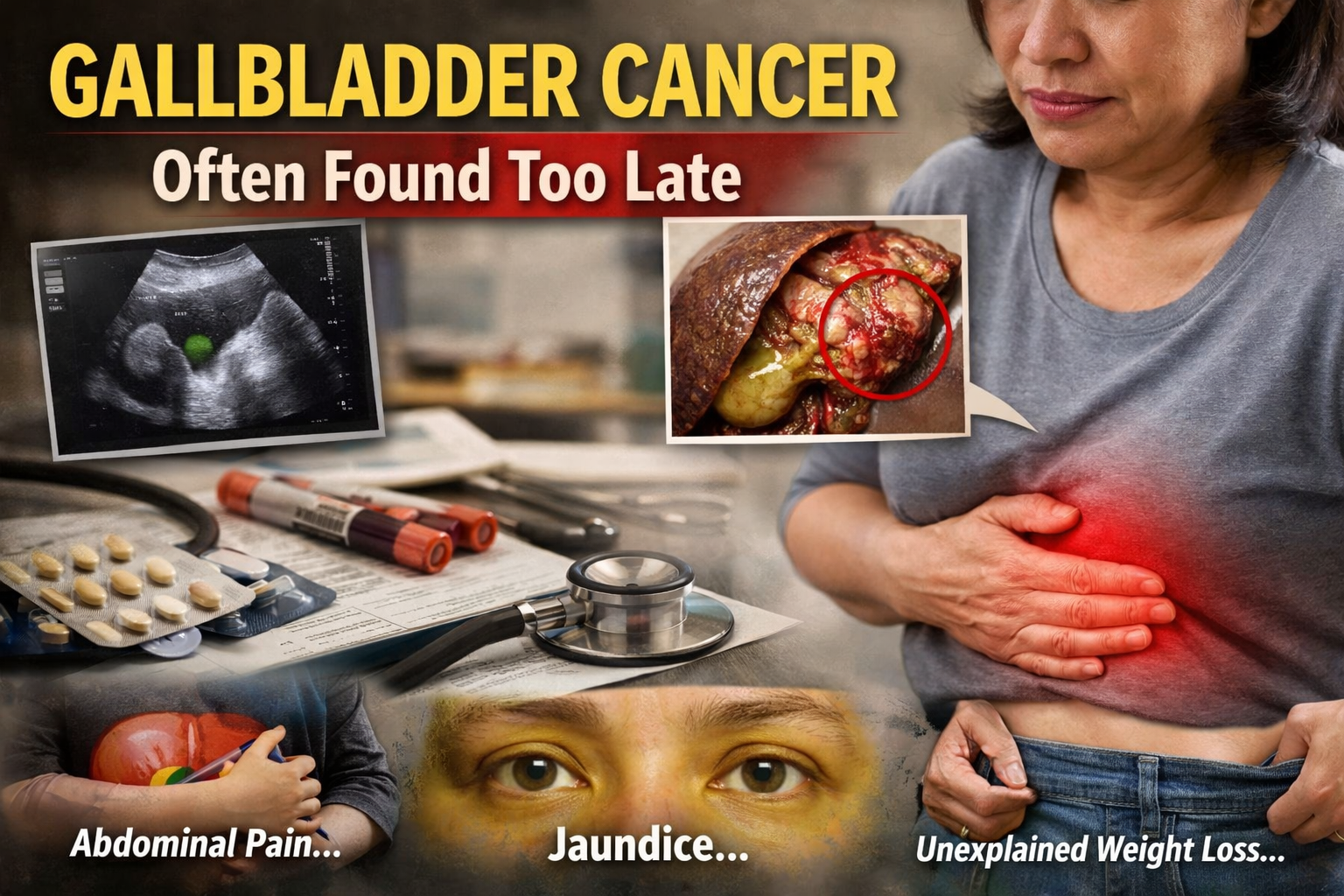
Gallbladder Attack Symptoms: Warning Signs, Causes, Treatment, and When to Seek Urgent Care
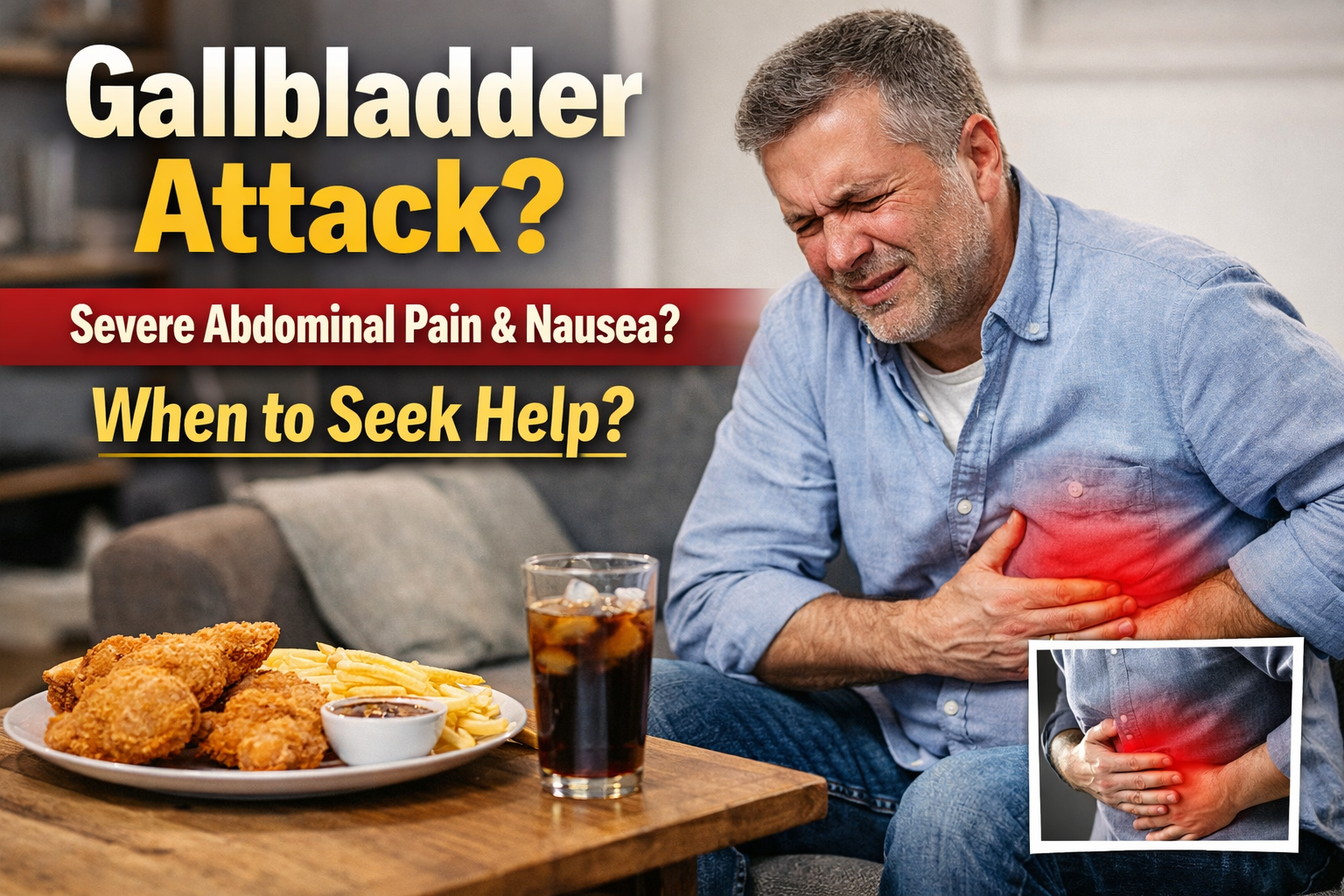
A gallbladder attack can start suddenly, often at the worst possible time. Someone may eat a rich dinner, feel fine for an hour, and then develop intense pain in the upper abdomen that makes it hard to sit still, take a deep breath, or focus on anything else. For many people, the pain is frightening not only because it is strong, but because it can be confused with indigestion, acid reflux, a stomach bug, or even a heart problem.
When people search for gallbladder attack symptoms, they are usually trying to answer very practical questions: What does the pain actually feel like? Where is it located? Does it come and go or stay constant? Can nausea, vomiting, bloating, or shoulder pain be part of it? And when does this stop being something to “watch for now” and become a reason to seek urgent medical care?
In everyday life, this topic matters because gallbladder pain often returns once it starts. A short episode may pass, but repeated attacks, inflammation, or blockage of the bile ducts can lead to more serious problems. Many gallbladder attacks are related to gallstones blocking the normal flow of bile, which is why symptoms often happen after meals, especially heavy or fatty ones.
This guide explains what gallbladder attack symptoms are, what usually causes them, how they are evaluated, what daily life may look like after an attack, and what practical steps may help reduce the risk of future episodes. It is written for education and general awareness, not for self-diagnosis. Severe abdominal pain, fever, jaundice, repeated vomiting, chest pain, or symptoms that rapidly worsen should be assessed promptly by a qualified healthcare professional.
Understanding gallbladder attack symptoms
The gallbladder is a small organ that sits under the liver on the upper right side of the abdomen. Its main job is to store bile, a digestive fluid made by the liver. When you eat, especially when you eat fat, the gallbladder squeezes bile into the digestive tract to help break food down.
A “gallbladder attack” is not one single disease name. In everyday use, people usually mean a sudden episode of pain caused by a gallstone blocking the normal flow of bile. This is often called biliary colic. The pain may be intense, steady, and difficult to ignore. It often happens in the upper right abdomen or in the middle upper abdomen just below the breastbone, and it may spread to the back or right shoulder.
What makes this confusing is that not every gallbladder problem feels the same. Some people have classic pain after a fatty meal. Others mostly notice nausea, bloating, or pressure. Some have “silent” gallstones and no symptoms at all. And in more serious cases, what began as a typical gallstone attack can turn into gallbladder inflammation, infection, or a bile duct blockage with fever or jaundice.
That is why understanding the pattern matters. A gallbladder attack is not just “stomach pain.” The location, timing, triggers, and associated symptoms help separate it from routine indigestion and signal when urgent care may be needed.
Types Of gallbladder attack symptoms
Strictly speaking, there are not “types” of symptoms in the same way there are types of fractures or infections. But for practical, real-life understanding, gallbladder attack symptoms can be grouped into a few common patterns.
Classic biliary colic
This is the pattern many people mean when they say “gallbladder attack.” Pain starts suddenly, usually in the upper right abdomen or upper middle abdomen. It may build quickly, feel severe, and last from about 30 minutes to several hours. It often happens after eating, especially after a large, greasy, or fatty meal. Nausea and vomiting may happen too.
A real-life example is someone who eats fried food late in the evening, then develops sharp, gripping pain under the right ribs an hour later. They may pace the room, try changing positions, or think it is trapped gas, but nothing really relieves it.

Persistent pain with inflammation
When symptoms last longer, feel more constant, or come with fever and marked tenderness, the issue may no longer be simple biliary colic. It may suggest acute cholecystitis, meaning inflammation of the gallbladder. This pain is often persistent rather than a short wave that fades. Deep breathing may worsen it because the inflamed area becomes tender.
This is the pattern that deserves more caution because inflammation can become serious if left untreated.
Blockage-related symptoms
Sometimes the main problem is not only pain but obstruction of bile flow. When that happens, symptoms may include jaundice, dark urine, pale stools, or itching, depending on where the blockage is and how severe it is. Fever with jaundice raises concern for a more urgent bile duct problem or infection.
Atypical or less obvious presentations
Not everyone reads like a textbook. Older adults, people with diabetes, and some others may have less dramatic or less typical symptoms. Instead of describing sharp right-sided pain, they may say they feel sick after meals, bloated, unusually full, or vaguely uncomfortable in the upper abdomen.
This is one reason repeated “indigestion” after fatty meals should not always be dismissed, especially if it follows a pattern.
Causes Of gallbladder attack symptoms
The most common cause is gallstones. These are solid particles that form in the gallbladder, often when bile contains too much cholesterol, too much bilirubin, or not enough of the substances that keep bile balanced. Not all gallstones cause trouble, but when one temporarily blocks the opening of the gallbladder or a bile duct, pressure builds and pain follows.
Common cause: gallstones blocking bile flow
This is the classic mechanism behind many attacks. The gallbladder tries to squeeze, especially after a meal, but a stone blocks the exit. That creates pressure and pain. This helps explain why symptoms often begin after eating richer foods and why the pain can feel severe and deep rather than surface-level.
Gallbladder inflammation
An attack may trigger inflammation, or a blocked stone may remain lodged long enough to inflame the gallbladder. At that point, symptoms may shift from a temporary attack to a more persistent and serious condition.
Sludge or poor gallbladder emptying
Some people develop thick bile sludge rather than fully formed stones. Others may have poor gallbladder function even if stones are not obvious. In real life, this can mean gallbladder-like symptoms without a dramatic scan finding at first.
Less common but important causes
Although gallstones are the main reason, gallbladder symptoms can sometimes relate to:
- Bile duct stones
- Inflammation without stones
- Structural problems in the biliary tract
- Rarely, tumors or other serious conditions
These causes are much less common than gallstones, but they matter because they can change the urgency, testing, and treatment plan.
Why fatty meals often trigger symptoms
Fat itself is not automatically the “cause” of the disease, but it often acts like a trigger. After a fatty meal, the digestive system signals the gallbladder to contract more strongly. If a stone is present, that squeeze can turn a quiet problem into a painful one.
This is why someone may go weeks feeling fine, then suddenly have pain after pizza, fried chicken, creamy pasta, or a large restaurant meal.
Symptoms Of gallbladder attack symptoms
This is the part people care about most, and for good reason. The phrase gallbladder attack symptoms usually refers to a cluster of symptoms rather than one sign alone.
The most typical symptom: upper abdominal pain
The hallmark symptom is pain in the upper right side of the abdomen, just under the ribs. Some people feel it more in the upper middle abdomen, below the breastbone. The pain is often described as:
- Sharp
- Steady
- Cramping but not easily relieved
- Pressure-like
- Gripping or squeezing
- Severe enough to interrupt normal activity
It often starts suddenly and may intensify quickly. Unlike mild indigestion, it can be difficult to sit through, work through, or sleep through.
Pain after eating
Many people notice symptoms after eating, particularly after:
- Fried foods
- Fast food
- Creamy or buttery meals
- Large holiday meals
- Heavy late-night meals
The timing varies. Some feel pain 15 to 20 minutes after eating, while others notice it later in the evening or during the night.
Pain that radiates
Gallbladder pain does not always stay in one spot. It can spread to:
- The right shoulder
- The upper back
- The area between the shoulder blades
- Sometimes the chest
This spreading pattern is one reason people can mistake a gallbladder attack for muscle strain, reflux, or another kind of abdominal problem.
Nausea and vomiting
Nausea is common, especially when the pain is strong. Some people vomit once or twice. Others feel persistent queasiness without actually vomiting. In daily life, this may show up as feeling unable to finish a meal, needing to lie down, or being put off by the smell of food.
Bloating and feeling overly full
A person may say, “I feel swollen,” “I’m uncomfortably full,” or “everything sits badly after I eat.” These symptoms are less specific, but they often travel with gallbladder pain, especially in recurring cases.
How long does a gallbladder attack last?
A typical attack often lasts at least 30 minutes and may continue for several hours. Pain that lasts longer, grows worse, or fails to let up may point toward inflammation or another complication rather than a brief biliary colic episode.
Warning signs that may suggest a more serious problem
Seek prompt medical attention if gallbladder-like pain happens with:
- Fever
- Chills
- Yellowing of the skin or eyes
- Dark urine
- Pale stools
- Repeated vomiting
- Pain so severe you cannot get comfortable
- Pain lasting many hours
- Confusion, weakness, or signs of dehydration
These symptoms raise concern for inflammation, obstruction, or infection and should not be brushed off.
Common ways people misunderstand the symptoms
Many people assume gallbladder pain should always be on the far right side. Not true. It can sit in the upper middle abdomen too.
Others expect “colic” to mean pain that comes and goes in quick waves. But gallbladder pain can be steady and intense for a prolonged stretch.
And some think no vomiting means it cannot be the gallbladder. Also not true. Nausea may happen with or without vomiting.
Risk Factors
Gallbladder attacks do not happen randomly. Usually, there is an underlying reason a person developed gallstones or gallbladder dysfunction in the first place.
Body weight and metabolic factors
Being overweight or having obesity raises the chance of gallstones. Rapid weight loss can also increase risk, which surprises many people. In real life, this means someone may develop gallbladder problems both while carrying excess weight and after aggressive dieting or certain weight-loss procedures.
Age and sex
Gallstones become more common with age, and they are also more common in women. Hormonal influences are part of the reason.
Pregnancy and hormone-related factors
Pregnancy can increase gallstone risk because hormones affect bile balance and gallbladder emptying. Some hormone-related medications may also play a role for certain people.
Family history and genetics
If gallstones run in your family, your own risk may be higher. This does not guarantee you will have problems, but it helps explain why two people with similar diets may not have the same outcome.
Diet patterns and meal habits
No single food causes gallstones overnight, but long-term diet patterns can matter. Very high-calorie eating, large fatty meals, and inconsistent meal habits may worsen symptoms in someone who already has stones.
Diabetes and other health conditions
Some medical conditions are associated with a higher risk of gallstones or atypical symptom patterns. Diabetes can also complicate how symptoms are felt or reported.
Inactivity and prolonged fasting
Spending long periods without eating, extreme dieting, or highly restrictive plans may contribute to gallstone formation in some people. This is why “crash dieting” is a known red flag.
Diagnosis Process
Gallbladder attacks are not diagnosed by symptoms alone. The pain pattern may be suggestive, but several other problems can mimic it, including ulcers, acid reflux, liver issues, pancreatitis, kidney stones, and even certain heart conditions.
Step 1: Clinical history
A healthcare professional will usually ask:
- Where is the pain?
- When did it start?
- Did it begin after eating?
- How long does it last?
- Has it happened before?
- Are there fever, vomiting, jaundice, or bowel changes?
- Does the pain move to the back or shoulder?
These details matter because the pattern often points strongly toward or away from the gallbladder.
Step 2: Physical exam
The abdomen may be checked for tenderness, guarding, or pain with pressure on the upper right side. A person with inflammation may be especially tender there.
Step 3: Blood tests
Bloodwork may be used to look for signs of:
- Infection or inflammation
- Liver or bile duct blockage
- Pancreas irritation
- Dehydration or other related issues
A normal blood test does not always rule out a gallbladder attack, but abnormal results can help identify complications.
Step 4: Imaging
Ultrasound is commonly the first imaging test because it is good at detecting gallstones and signs of gallbladder inflammation. If the picture is still unclear, other tests may be used, including imaging that looks more closely at bile flow or the ducts. HIDA scanning is one example sometimes used to evaluate gallbladder emptying and bile movement.
Why diagnosis should not be delayed
A person may feel better after the pain passes and assume the problem is over. But recurrent attacks are common, and untreated gallstone disease can lead to repeated pain or serious complications.
That is why a first attack is often worth discussing with a healthcare professional, even if the symptoms settled on their own.
Living With gallbladder attack symptoms
Living with recurring gallbladder symptoms can be frustrating because daily decisions suddenly start revolving around food, timing, and fear of another attack.
The meal anxiety is real
Many people begin avoiding restaurant meals, celebrations, fried food, or anything “too rich” because they do not trust how their body will respond. Some start eating very cautiously, even when they are not sure which foods truly trigger them.
Symptoms can disrupt routine
A gallbladder attack may interfere with:
- Work meetings
- Driving
- Sleep
- Family meals
- Travel
- Exercise
- Childcare responsibilities
Someone who has had one severe episode may worry every time they eat out or every time they feel a twinge under the ribs.
Practical self-management while awaiting evaluation
These steps do not replace medical care, but they may help reduce symptom triggers while a person is being evaluated:
- Favor smaller meals over very large meals
- Limit especially greasy, fried, or heavy foods
- Avoid long fasting periods followed by overeating
- Stay hydrated
- Keep a simple symptom-and-meal log
- Know the red flags that require urgent care
Emotional impact
People often underestimate the stress of recurrent abdominal pain. The uncertainty can make daily life feel smaller. Some avoid social events. Others constantly scan their body for signs of another attack.
A practical mindset helps: reduce triggers where possible, seek proper evaluation, and do not rely on guesswork when symptoms are recurring.
Prevention Strategies
Prevention depends on the situation. If someone already has symptomatic gallstones, lifestyle changes alone may not stop future attacks. But several habits may still help lower risk or reduce trigger frequency.
Maintain a steady, sustainable weight
Gradual weight management is generally safer for the gallbladder than rapid weight loss. Extreme dieting may backfire by increasing gallstone formation risk.
Avoid crash diets
Skipping meals all day and then eating one very large meal is not ideal for many reasons, and it may also aggravate gallbladder issues in susceptible people.
Build a more gallbladder-friendly eating pattern
This does not mean eating “fat-free” forever. It usually means choosing a more balanced approach with fewer trigger foods and fewer heavy, greasy meals.
Helpful shifts may include:
- Choosing grilled instead of fried foods
- Using lighter cooking methods
- Eating moderate portions
- Including fiber-rich foods
- Spacing meals more evenly
Get evaluated after recurring attacks
One of the most practical prevention strategies is simply not ignoring repeated symptoms. Recurrent attacks often mean the underlying issue is still there.
Follow the treatment plan if gallstones are confirmed
For some people, the long-term answer is monitoring. For others, especially those with repeated painful attacks, surgery to remove the gallbladder may be recommended because attacks frequently recur.
Practical Examples
Example 1: The late-night restaurant attack
A 42-year-old eats a large burger, fries, and dessert at 9 p.m. Around 10:30 p.m., strong pain starts under the right ribs and spreads to the back. They feel nauseated and restless. The pain lasts three hours.
What is practical here:
- Do not assume it is “just bad food”
- Note the time, meal, pain location, and duration
- Seek urgent care if fever, jaundice, persistent vomiting, or worsening pain appears
- Arrange medical follow-up even if the pain passes
Example 2: The repeated “indigestion” pattern
A person notices three episodes in two months after pizza, creamy pasta, and fried chicken. Each time the pain is in the upper middle or right upper abdomen and lasts more than an hour.
What to do:
- Keep a short symptom log
- Avoid large greasy meals until evaluated
- Book a medical assessment rather than self-diagnosing
- Learn the emergency red flags
Example 3: After rapid weight loss
Someone loses weight very quickly on a highly restrictive plan and begins getting upper abdominal pain after meals.
What this shows:
- Weight loss itself is not the enemy
- Very rapid weight loss can increase gallbladder problems in some people
- A slower, more sustainable strategy may better support long-term health
Simple checklist: what to notice during a suspected gallbladder attack
- Where exactly is the pain?
- Did it start after eating?
- Was the meal especially fatty or large?
- Did the pain spread to the shoulder or back?
- How long did it last?
- Was there nausea or vomiting?
- Was there fever, yellowing, or dark urine?
- Has this happened before?
Do and don’t list
Do:
- Take repeated upper abdominal pain seriously
- Seek help promptly for severe or prolonged symptoms
- Choose smaller, lighter meals if these seem easier to tolerate
- Get evaluated if attacks keep happening
Don’t:
- Assume all upper abdominal pain is indigestion
- Ignore fever or jaundice
- Keep triggering symptoms without medical follow-up
- Rely on internet advice alone for severe pain
Sample gentle meal ideas while waiting for evaluation
These are not a cure, but some people find them easier on the digestive system:
- Oatmeal with banana
- Toast with scrambled egg whites
- Rice with grilled chicken and cooked vegetables
- Soup with lean protein
- Yogurt with fruit, depending on personal tolerance
Foods that commonly trigger symptoms in susceptible people may include:
- Fried chicken
- Fast food burgers
- Sausage or bacon-heavy meals
- Cream sauces
- Very buttery dishes
- Large cheese-heavy meals
Tolerance varies. The goal is not perfection. The goal is to notice patterns and reduce obvious triggers until a proper evaluation happens.
Conclusion
Gallbladder attack symptoms usually center on sudden upper abdominal pain, often on the right side or in the upper middle abdomen, frequently after eating a heavy or fatty meal. The pain may spread to the back or right shoulder and may come with nausea, vomiting, bloating, or a sense that something is very wrong. In many cases, gallstones are the underlying cause, and once symptoms begin, they may return.
The most practical takeaway is this: do not ignore the pattern. Repeated attacks deserve medical evaluation, and severe pain with fever, jaundice, or prolonged symptoms deserves prompt care. A careful diagnosis, lighter meal choices in the short term, and a realistic treatment plan can make daily life safer and more manageable.