Gallbladder Problems 101: Warning Signs, Risk Factors, and What to Do
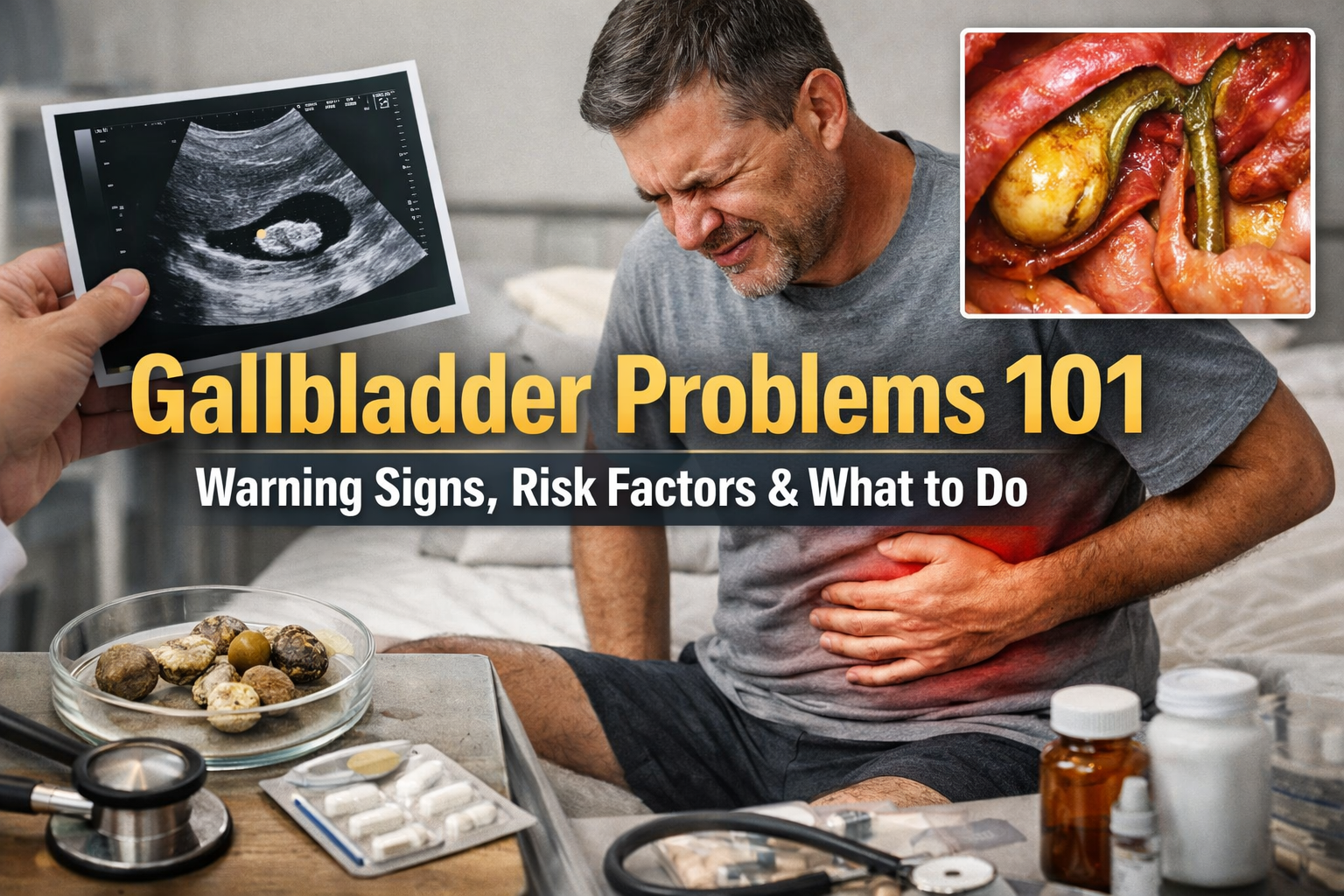
Gallbladder disease is a broad term for health problems that affect the gallbladder or the bile ducts connected to it. Although the gallbladder is small, it plays an important role in digestion by storing bile made by the liver and releasing it into the small intestine to help digest fats. When bile flow is blocked, infected, inflamed, or not moving properly, symptoms can range from mild digestive discomfort to severe abdominal pain and serious complications.
Many people first hear about gallbladder disease because of gallstones, and for good reason: gallstones are the most common cause of gallbladder-related problems. Still, not every gallbladder condition begins with stones. Some cases involve inflammation, poor gallbladder emptying, narrowing of the bile ducts, or—more rarely—cancer. Understanding the warning signs matters because untreated gallbladder disease can sometimes lead to infection, pancreatitis, liver injury, or even rupture of the gallbladder.
What is the gallbladder and why does it matter?
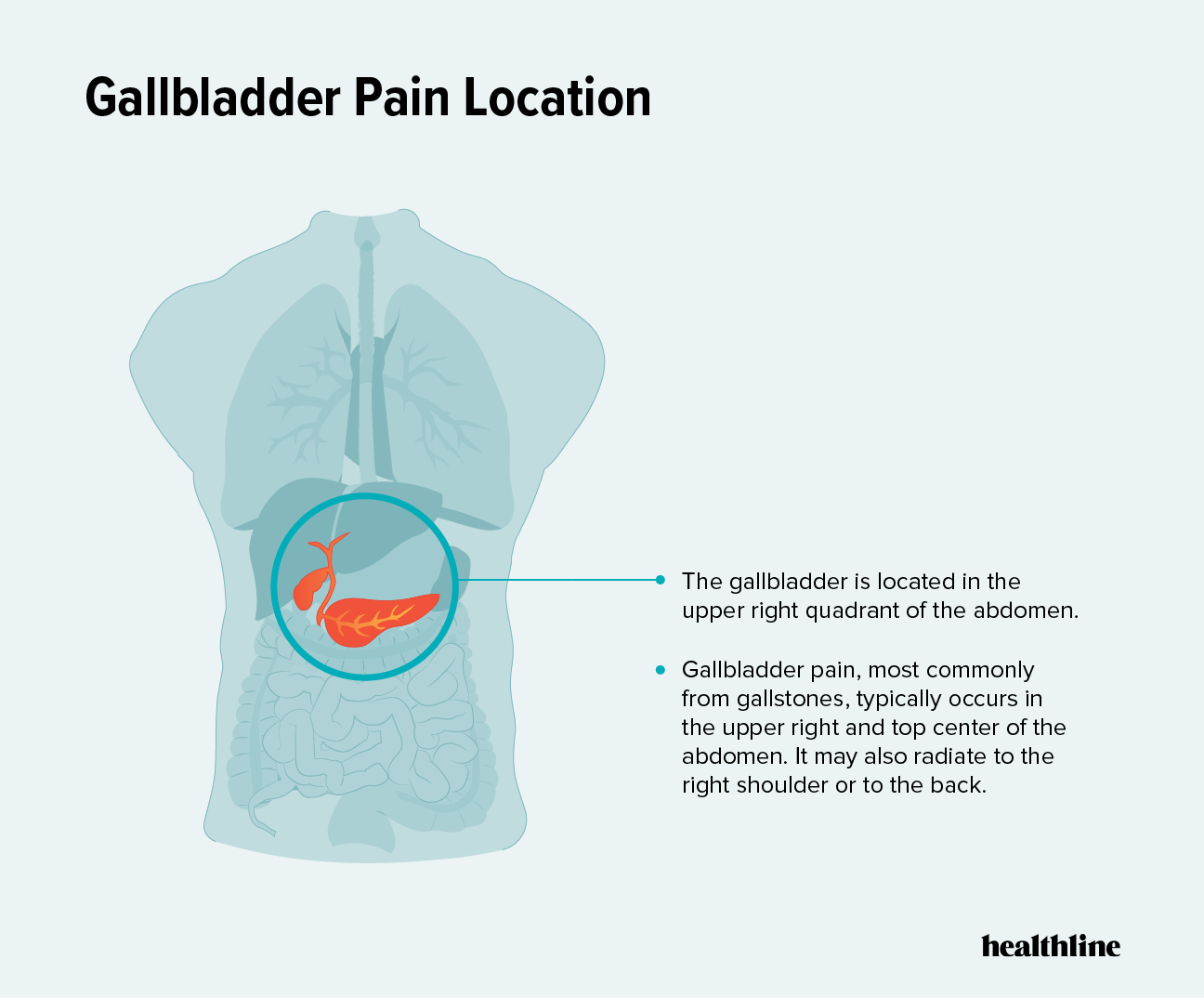
Your gallbladder is a small organ located under the liver on the right side of the abdomen. Its main job is to store bile, a digestive fluid produced by the liver. When you eat, especially foods that contain fat, the gallbladder squeezes bile through the bile ducts into the small intestine. This helps your body break down and absorb fats more efficiently.
If this system is disrupted, bile can build up instead of flowing normally. That backup may trigger pain, inflammation, infection, nausea, bloating, and trouble digesting fatty meals. In some cases, the problem affects not only the gallbladder, but also the bile ducts, liver, or pancreas.
What does “gallbladder disease” include?
Gallbladder disease is not one single diagnosis. It is an umbrella term that can include several conditions.
1. Gallstones
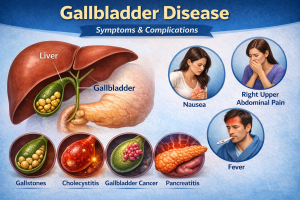
Gallstones are hardened deposits that form inside the gallbladder. They are usually made of cholesterol or bilirubin. Many gallstones never cause symptoms and may remain “silent” for years. But if a stone blocks the gallbladder outlet or a bile duct, it can cause sudden pain and serious complications.
2. Cholecystitis
Cholecystitis means inflammation of the gallbladder. It often happens when a gallstone blocks the duct leading out of the gallbladder, causing bile to build up and irritate the organ. This condition can be acute or chronic, and it may lead to severe pain, fever, infection, and dangerous complications if not treated.
3. Biliary dyskinesia
This is a functional gallbladder disorder. Instead of a stone physically blocking bile flow, the gallbladder does not empty the way it should. The result can look very similar to gallstone disease: bile backs up, symptoms appear, and chronic irritation may develop even though no stone is found.
4. Gangrene or perforation of the gallbladder
Long-standing inflammation can reduce blood flow and damage gallbladder tissue. In severe cases, tissue can die, a condition known as gangrene. The gallbladder wall may also tear or rupture, which can spread infection into the abdominal cavity and become life-threatening.
5. Bile duct disease
Disease can also begin in the bile ducts themselves. Inflammation, infection, scarring, narrowing, or blockage of the ducts can interfere with bile flow and cause bile to back up into the gallbladder and liver.
6. Gallbladder cancer
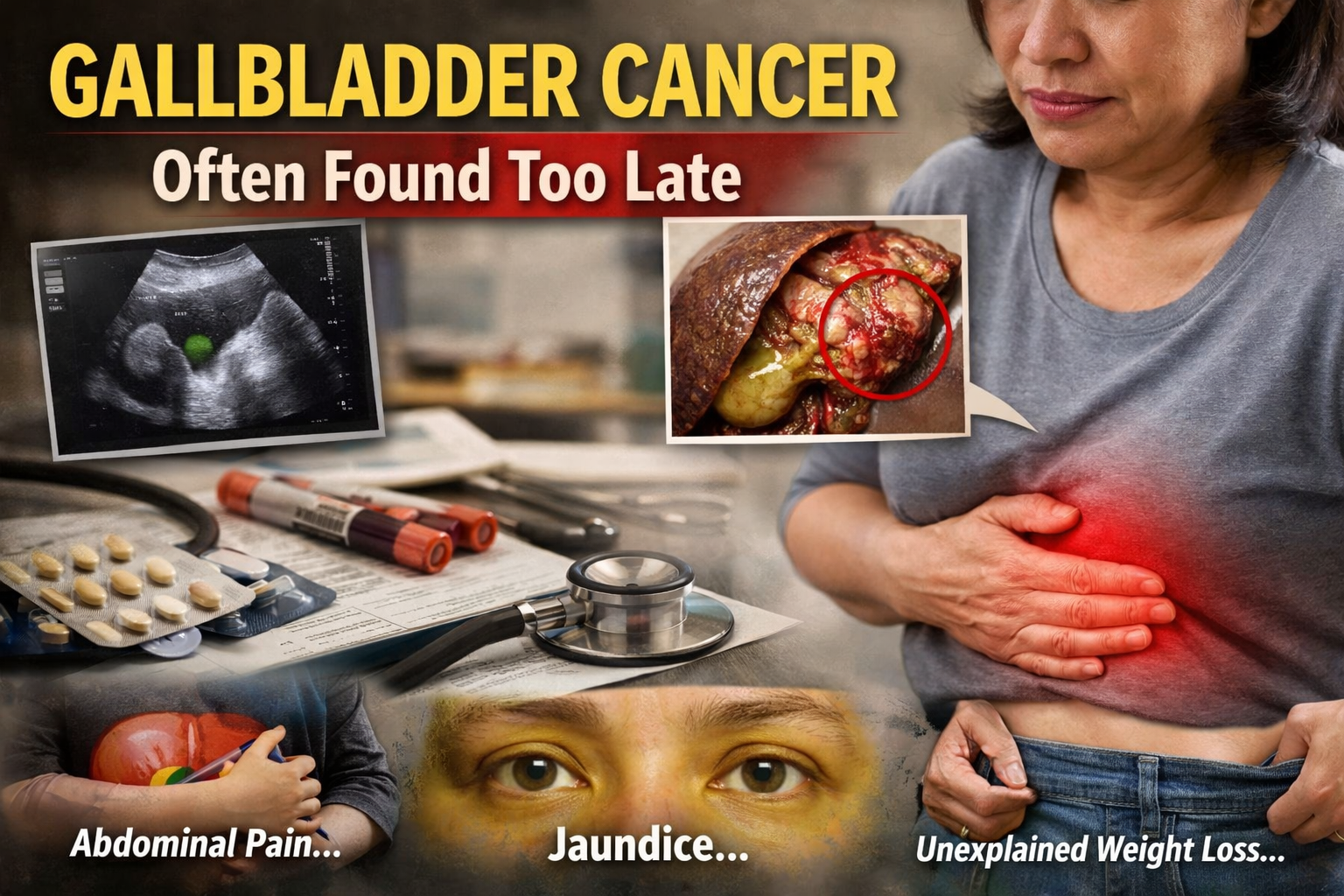
Gallbladder cancer is uncommon, but it is serious. One challenge is that symptoms may not appear until the disease is more advanced. That is why doctors may take certain gallbladder growths or larger polyps seriously, even though many polyps are benign.
How common is gallbladder disease?
Gallstones are common. According to NIDDK and Cleveland Clinic, gallstones affect a significant portion of the population, but many people never develop symptoms. In other words, having gallstones is not the same as having active gallbladder disease. Trouble usually begins when stones block bile flow or cause inflammation.
Common symptoms of gallbladder disease
Symptoms vary depending on the exact condition, but some patterns appear again and again.
Upper right abdominal pain
Pain in the upper right part of the abdomen is one of the classic warning signs. Some people also feel pain in the upper middle abdomen, back, or right shoulder. The pain may come on after eating, especially after a fatty meal, and can be sudden or intense.
Nausea and vomiting
When bile flow is blocked or the gallbladder becomes inflamed, nausea and vomiting are common. These symptoms may accompany a gallbladder attack or flare-up.
Fever or chills
Fever may suggest inflammation or infection, especially in acute cholecystitis or bile duct infection. That raises the urgency of medical evaluation.
Bloating or trouble tolerating fatty foods
Because bile helps digest fat, some people notice bloating, indigestion, or discomfort after rich meals when gallbladder function is impaired. This is not specific enough to diagnose gallbladder disease by itself, but it can fit the picture.
Jaundice
Yellowing of the skin or eyes may happen when a stone blocks a major bile duct or when bile flow is significantly impaired. Jaundice can also occur in more serious conditions, including bile duct disease or advanced gallbladder cancer.
What causes gallbladder disease?
The biggest driver is gallstones, especially when they block the ducts that carry bile. But there are other causes too.
Gallbladder disease may result from:
- cholesterol buildup that forms gallstones
- bilirubin-related pigment stones
- gallbladder motility problems
- inflammation or infection
- narrowing or scarring of the bile ducts
- tumors, though these are much less common
- severe illness or certain vascular problems in some cases of cholecystitis
Who is at higher risk?
Several risk factors make gallbladder disease more likely, especially gallstone-related disease.
:max_bytes(150000):strip_icc()/what-are-gallstones-1742784_final-1d48008cf7b74dcc88789e38623b1883.png) Female sex
Female sex
Women are more likely than men to develop gallstones, in part because estrogen can increase cholesterol in bile and slow gallbladder emptying. Pregnancy can add to that effect.
Older age
Risk rises with age, and gallstones are more common in older adults.
Overweight or obesity
Excess body weight is linked to higher cholesterol production and an increased chance of cholesterol gallstones.
Diabetes
People with diabetes have a higher risk of gallstones.
Family history and genetics
A family history of gallbladder disease may increase risk, suggesting that genetics plays a role for some people.
Certain digestive or liver conditions
Crohn’s disease, cirrhosis, and disorders that affect bile handling can increase the risk of gallstone formation or bile flow problems.
Certain medications or nutrition situations
Some cholesterol-lowering drugs and long-term intravenous feeding can contribute to bile imbalance or stasis in the gallbladder.
The old “5 Fs” of gallbladder disease
You may still hear the old mnemonic “female, forty, fertile, fat, fair.” It was once used to describe a common gallstone risk profile. Today, many clinicians consider it outdated and overly simplistic. It can be misleading because gallbladder disease can occur in people who do not fit that profile, and not everyone who does fit it actually has gallbladder problems. Still, parts of it loosely reflect real risk patterns, especially around sex, age, pregnancy history, and weight.
How gallbladder disease affects the body
When the gallbladder cannot release bile properly, digestion becomes less efficient, especially when it comes to fats. But the bigger concern is often not digestion alone. Backed-up bile can inflame nearby organs and trigger a chain reaction in the biliary system.
Gallbladder disease may affect:
- the bile ducts
- the liver
- the pancreas
Potential complications
Cholangitis
If bile ducts become blocked or infected, cholangitis can develop. This can be serious and may require urgent medical treatment. Over time, repeated inflammation can scar and narrow the ducts.
Liver damage and cirrhosis
When bile backs up into the liver, it can cause inflammation and long-term scarring. Ongoing bile flow problems may eventually impair liver function.
Pancreatitis
A stone can travel far enough to block the pancreatic duct opening, causing digestive enzymes to back up into the pancreas. Gallstones are a common cause of pancreatitis, which can be severe and sometimes lead to lasting damage.
Gallbladder rupture
Untreated or severe cholecystitis can cause the gallbladder to tear or rupture. This is a medical emergency.
How is gallbladder disease treated?
Treatment depends on the cause, the severity of symptoms, and whether complications are present.
Watchful waiting for silent gallstones
If gallstones are found by accident and are not causing symptoms, treatment may not be needed right away. Many silent gallstones never cause trouble.
Surgery
For symptomatic gallstones and many other active gallbladder problems, surgery to remove the gallbladder is the standard treatment. This procedure is called cholecystectomy and is commonly done laparoscopically. Prognosis is generally very good.
Treatment for acute inflammation
Cholecystitis often requires hospital care for pain control, evaluation, and treatment of the underlying cause. In many cases, surgery is recommended.
Non-surgical treatment in selected cases
In certain limited situations, non-surgical treatment may be used for some cholesterol stones. However, surgery remains the usual treatment when symptoms or complications are present.
Can you live without a gallbladder?
Yes. After gallbladder removal, bile flows directly from the liver into the small intestine instead of being stored in the gallbladder first. Most people can live normally without a gallbladder, though some may need time to adjust their diet after surgery.
When should you seek medical care right away?
You should get prompt medical attention if you have:
- sudden or severe pain in the upper right abdomen
- pain after eating that keeps returning
- fever with abdominal pain
- jaundice
- vomiting that does not stop
- symptoms that suggest gallbladder pain plus back or shoulder pain, especially if intense
Practical takeaway
Gallbladder disease often starts quietly. Some people have gallstones for years with no symptoms, while others develop sudden pain, inflammation, or complications. The most common culprit is a gallstone blocking bile flow, but motility disorders, bile duct disease, and rarer problems like cancer can also be involved. Early evaluation matters because untreated gallbladder disease can affect the liver, pancreas, and overall digestive health.
If symptoms are mild but recurring, it is still worth getting checked. And if pain is severe, accompanied by fever or jaundice, or comes on suddenly, do not delay care.