Hypoglycemia (Low Blood Sugar): Symptoms, Causes, Risks, and When It Becomes an Emergency
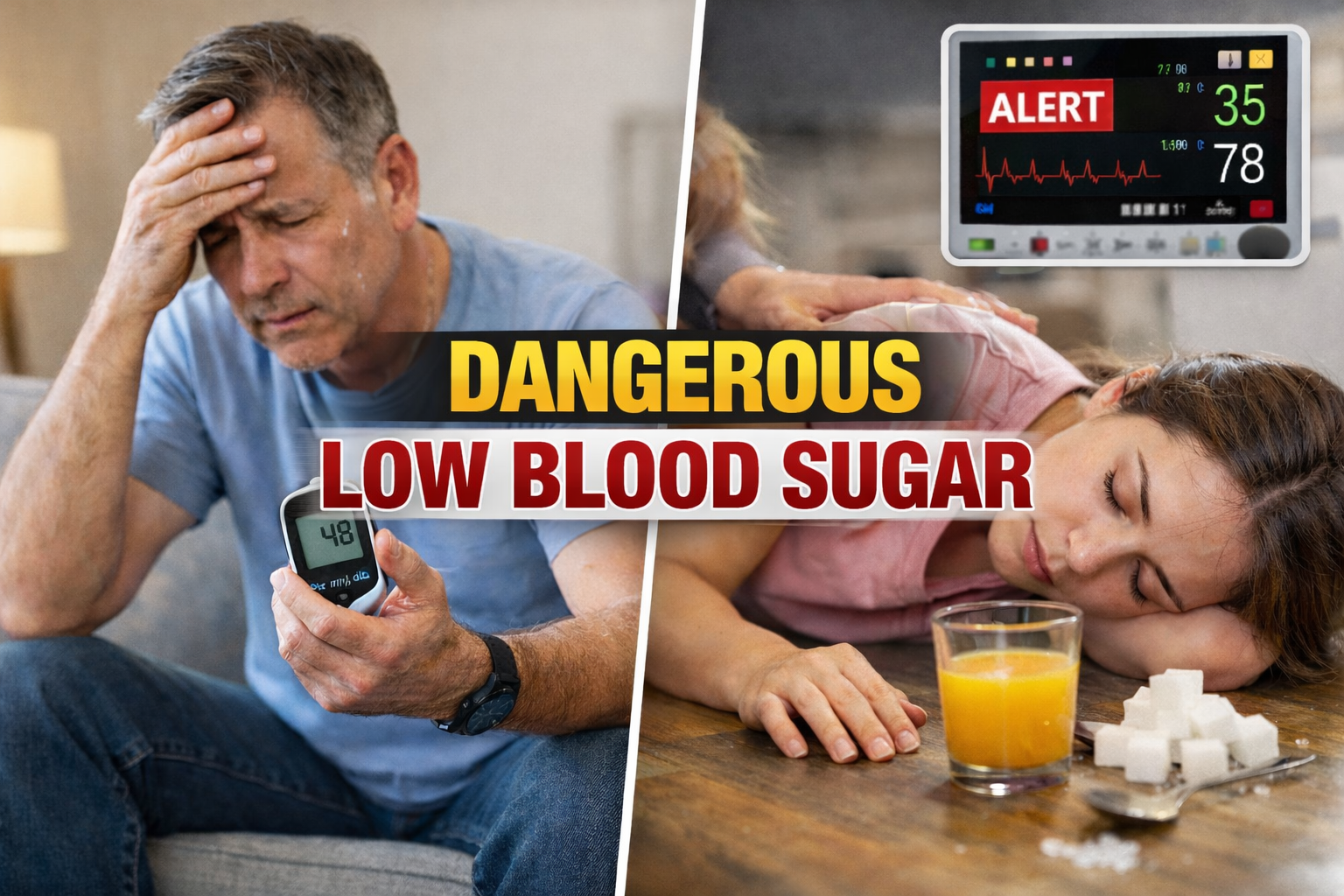
Low blood sugar can come on fast. One moment a person may feel slightly shaky or unusually hungry, and a short time later they may be confused, sweaty, weak, or too impaired to treat themselves safely. That speed is part of what makes hypoglycemia so important to understand.
Hypoglycemia usually means a blood glucose level below 70 mg/dL. In people treated with insulin or certain diabetes medicines, it is a common and potentially serious problem. But diabetes is not the only setting where it can happen. Some people without diabetes can also develop low blood sugar, especially after long fasting, heavy alcohol use, certain illnesses, hormone problems, or, more rarely, insulin-producing tumors.
What makes hypoglycemia dangerous is that glucose is a key fuel for the brain. As levels fall, the body first triggers warning symptoms such as trembling, hunger, sweating, or a pounding heartbeat. If the drop continues, the brain begins to struggle, which can lead to blurred vision, confusion, unusual behavior, seizures, or loss of consciousness. Severe episodes are medical emergencies.
This guide explains what hypoglycemia is, what causes it, how symptoms often progress, who is most at risk, what nighttime episodes can look like, and when low blood sugar needs urgent medical attention.
What is hypoglycemia?
Hypoglycemia is the medical term for abnormally low blood glucose. Major diabetes organizations identify below 70 mg/dL (3.9 mmol/L) as clinically important because that is the point where treatment and prevention decisions usually need attention. Current diabetes standards also distinguish level 2 hypoglycemia as below 54 mg/dL (3.0 mmol/L), a more dangerous range linked with more significant neuroglycopenic symptoms and greater risk.
In practical terms, low blood sugar is not only about a number. It is also about how a person feels, how quickly glucose is falling, what medicines they take, and whether they can still think clearly enough to treat themselves. Some people develop symptoms near 70 mg/dL, while others may not notice a problem until levels are lower. Repeated episodes can also blunt the body’s warning system over time.
Why blood sugar drops
The body normally works hard to keep blood glucose in a safe range. Insulin lowers blood glucose, while hormones such as glucagon, epinephrine, cortisol, and growth hormone help prevent it from falling too far. Hypoglycemia develops when glucose use or insulin effect exceeds the body’s ability to release or produce more sugar.
That imbalance can happen for very different reasons depending on whether the person has diabetes.
Common causes of hypoglycemia in people with diabetes
For people with diabetes, low blood sugar is usually tied to a mismatch between medication, food, alcohol, and activity.
1. Too much insulin or too much glucose-lowering medication
This is one of the most common causes. A dose may be too high for the amount of carbohydrate eaten, the timing may be off, or the body may be more insulin-sensitive than expected that day. Sulfonylurea medicines can also trigger hypoglycemia because they increase insulin release.
2. Skipping meals or eating less than planned
If someone takes insulin or certain diabetes medications and then delays a meal, eats much less carbohydrate than usual, or misses food entirely, blood glucose can fall because the medication effect is still active.
3. Exercise and physical activity
Muscles use glucose during activity, and exercise can also increase insulin sensitivity for hours afterward. That means hypoglycemia may happen during a workout, soon after it, or later the same day or night.
4. Alcohol use
Alcohol can interfere with the liver’s ability to release glucose into the bloodstream, especially when a person drinks without eating enough. This can raise the risk of delayed hypoglycemia, including overnight episodes.
5. Kidney disease or other illnesses
Reduced kidney function can make insulin stay in the body longer, which may increase hypoglycemia risk. Illness, changes in appetite, vomiting, or reduced oral intake can also upset the usual balance between food and medication.
Can people without diabetes get hypoglycemia?
Yes, though it is much less common. Low blood sugar in someone without diabetes deserves a closer look, especially if it keeps happening.
Reactive hypoglycemia
This means symptoms and low glucose occur after eating, often within a few hours of a meal. It may be seen in some people after stomach surgery, in certain digestive conditions such as late dumping syndrome, or occasionally without a clear cause.
Fasting hypoglycemia
Low blood sugar that happens after not eating for a longer period can point to an underlying medical problem. Possible causes include severe liver disease, severe illness, hormone deficiencies, medication effects, alcohol, or rare insulin-producing tumors such as insulinoma.
Hormonal and endocrine causes
Deficiencies involving adrenal hormones or other counter-regulatory systems can reduce the body’s ability to protect itself when glucose falls. Rare endocrine tumors can also drive inappropriate insulin release.
Malnutrition or prolonged fasting
If glycogen stores are depleted and the body lacks the raw materials it needs to make glucose, blood sugar may drop, especially during illness or poor intake.
Early warning signs of low blood sugar
Many episodes begin with the body’s “alarm” response. These early symptoms are often caused by adrenaline and related stress hormones released as glucose falls.
Common early warning signs include:
- shakiness or trembling
- sweating
- sudden hunger
- a racing or pounding heartbeat
- anxiety, nervousness, or feeling “off”
- tingling around the lips in some people
These symptoms matter because they often appear before more dangerous brain-related symptoms set in. Learning your personal warning pattern can make treatment much faster.
Symptoms of mild to moderate hypoglycemia
As blood sugar continues to fall, symptoms often become broader and more disruptive. In addition to the early adrenergic signs, people may develop symptoms related to reduced glucose supply to the brain.
Typical symptoms include:
- dizziness or lightheadedness
- trouble concentrating
- irritability or mood changes
- blurred vision
- weakness or unusual fatigue
- headache
- confusion
- trouble speaking clearly
At this stage, many people are still awake and able to treat themselves, but judgment may already be slipping. That is one reason low blood sugar can escalate quickly if it is ignored.
Severe hypoglycemia: warning signs of an emergency
Severe hypoglycemia is an emergency because the brain is no longer getting enough glucose to function safely. A person may be unable to self-treat or may not understand what is happening.
Danger signs include:
- severe confusion
- loss of coordination
- slurred speech
- seizure
- inability to wake up normally
- loss of consciousness
The American Diabetes Association notes that severe low blood glucose is an emergency and usually requires help from another person.
Hypoglycemia unawareness: when the warnings stop coming
One of the most concerning complications of recurrent hypoglycemia is hypoglycemia unawareness. This happens when the body’s usual warning symptoms become weaker or disappear, so glucose can fall to dangerous levels without the person noticing in time. NIDDK notes that repeated episodes can blunt the normal hormonal response and reduce symptom awareness.
This problem is especially risky for people on insulin or sulfonylureas because they may become confused, pass out, or have a seizure before they realize anything is wrong.
Who is at higher risk?
Some people are more vulnerable to low blood sugar than others.
People using insulin or sulfonylureas
These treatments carry the highest risk because they can continue lowering glucose even when food intake or physical activity changes.
Older adults
Symptoms may be less typical, and confusion, weakness, or dizziness may be mistaken for something else. Older adults may also have more medication interactions and a higher risk of falls or injury during an episode.
Children
Children may not describe symptoms clearly. Instead, caregivers may notice irritability, unusual behavior, nightmares, fatigue, or trouble concentrating.
People with kidney disease, liver disease, or poor nutrition
These conditions can weaken the body’s glucose backup systems or make medications act longer than expected.
People who drink alcohol, especially without food
Alcohol lowers the liver’s ability to release glucose and can make overnight episodes more likely.
People with a history of previous severe episodes
A past severe low makes future severe lows more likely, particularly if awareness has begun to fade.
Nocturnal hypoglycemia: low blood sugar during sleep
Nighttime hypoglycemia can be hard to recognize because the person is asleep while glucose is dropping. Some wake up sweaty, restless, confused, or with a pounding heart. Others sleep through the event and only notice clues the next morning, such as headache, unusual fatigue, or feeling unwell on waking.
Possible signs of nocturnal hypoglycemia include:
- night sweats
- restless sleep
- nightmares or vivid dreams
- calling out during sleep
- morning headache
- difficulty waking up
- feeling unusually tired or hungry in the morning
Common triggers include evening alcohol, late-day intense exercise, too much overnight insulin, or not eating enough when medication is still active.
Why untreated or repeated hypoglycemia matters
Low blood sugar is not just uncomfortable. It can interfere with daily life, safety, and long-term health.
Immediate risks
A person who is shaky, confused, or faint can fall, crash a car, make dangerous mistakes, or choke if they lose consciousness. Severe episodes may lead to seizure or coma.
Impact on quality of life
Fear of another low can lead people to keep their glucose intentionally high, eat defensively, or avoid exercise. Mayo Clinic notes that fear of hypoglycemia can affect treatment decisions and diabetes management.
Repeated severe episodes
Recurrent severe hypoglycemia has been associated with cognitive harm and poorer overall functioning, especially when episodes are frequent or prolonged.
What to do when symptoms start
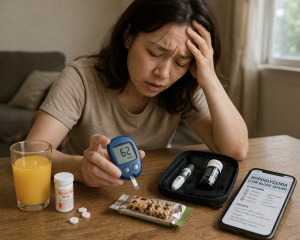
For many mild episodes, the standard first response is the 15-15 rule: take 15 grams of fast-acting carbohydrate, wait 15 minutes, and recheck glucose. If it is still below 70 mg/dL, repeat. This approach is recommended by the American Diabetes Association.
Examples of fast-acting carbohydrate often include glucose tablets, regular juice, regular soda, or other quickly absorbed sugar sources. For people with diabetes who are at risk of severe episodes, an emergency glucagon plan may also be part of treatment, though exact use should follow a clinician’s instructions.
A person who is unconscious, having a seizure, or unable to swallow safely needs emergency help right away.
How to help prevent hypoglycemia
Prevention is usually more about pattern management than perfection.
Helpful prevention strategies include:
- checking glucose regularly when you are at risk
- using continuous glucose monitoring when appropriate
- not skipping meals when taking medicines that can cause lows
- planning for exercise
- avoiding drinking alcohol on an empty stomach
- carrying a quick sugar source
- wearing medical identification
- reviewing repeated lows with a clinician rather than guessing at medication changes alone
CGM devices can be especially helpful for people with frequent lows or nighttime episodes because some models alert users when glucose is trending down.
When to seek medical evaluation
A person should seek medical advice if:
- low blood sugar symptoms keep happening
- they are having readings below 70 mg/dL repeatedly
- they needed help from someone else during an episode
- they have nighttime symptoms suggestive of lows
- they do not have diabetes but suspect hypoglycemia
- they are starting to lose their usual warning symptoms
Recurrent hypoglycemia in someone without diabetes should not be brushed off. It may need formal evaluation to look for medication causes, hormonal problems, liver disease, alcohol-related issues, or rarer endocrine disorders.
Conclusion
Hypoglycemia can begin with something as subtle as hunger, shakiness, or sweating, but it can quickly progress to confusion, collapse, seizure, or unconsciousness if glucose falls far enough. In people with diabetes, the most common causes are insulin or medication mismatch, missed meals, exercise, and alcohol. In people without diabetes, repeated episodes deserve medical attention because they may point to an underlying disorder.
The most practical takeaway is simple: know the warning signs, treat lows early, and take repeated episodes seriously. The sooner hypoglycemia is recognized, the easier it usually is to manage safely.