ALS Treatment Options: Medications, Therapies, Nutrition, and Breathing Support
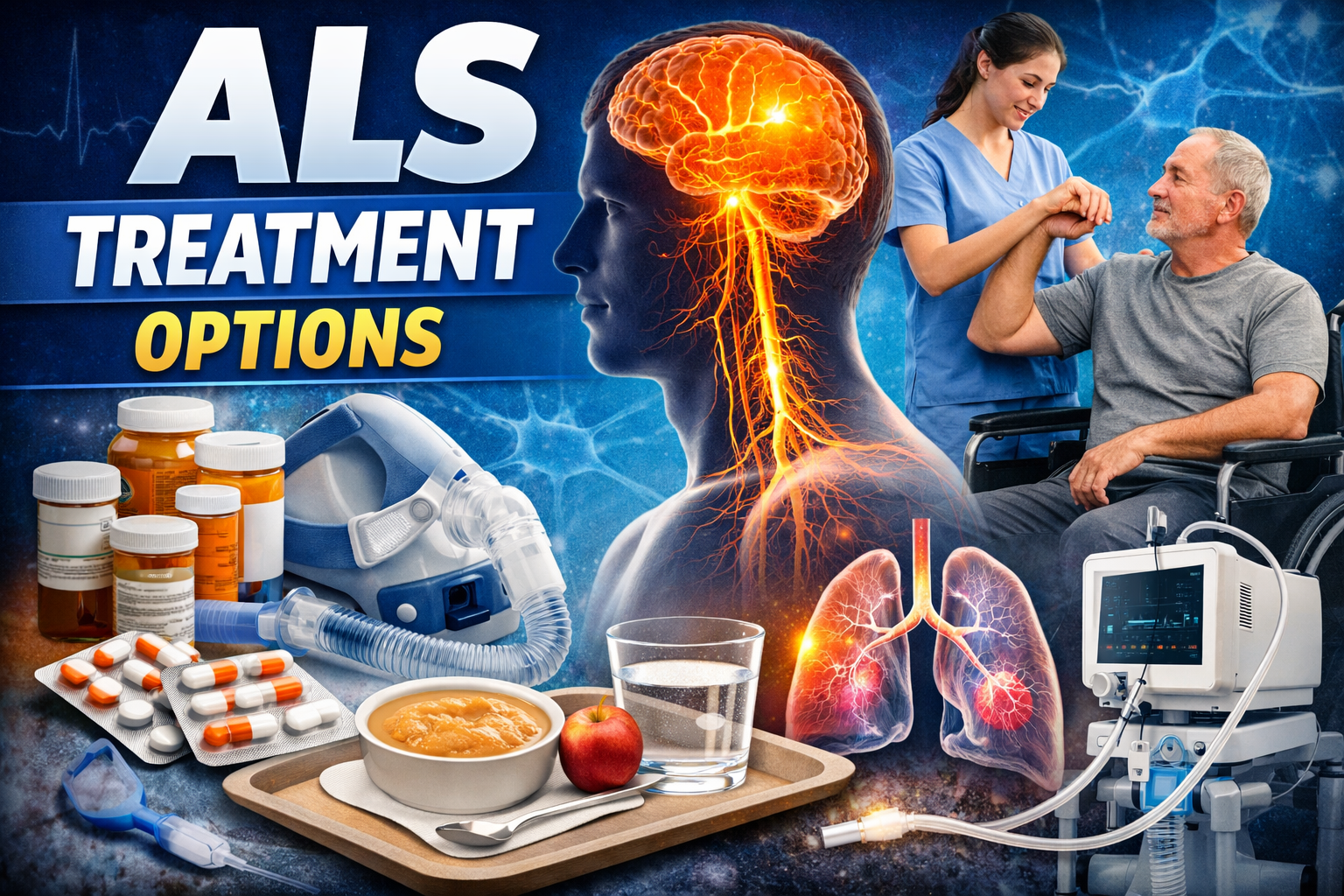
Amyotrophic lateral sclerosis, better known as ALS, is a progressive neurological disease that damages the nerve cells responsible for controlling voluntary muscle movement. Over time, it can affect walking, speaking, swallowing, and breathing. While there is still no cure and no treatment that can reverse existing nerve damage, modern ALS care can still make an important difference. Treatment may help slow functional decline in some patients, reduce symptoms, improve comfort, and support independence for as long as possible.
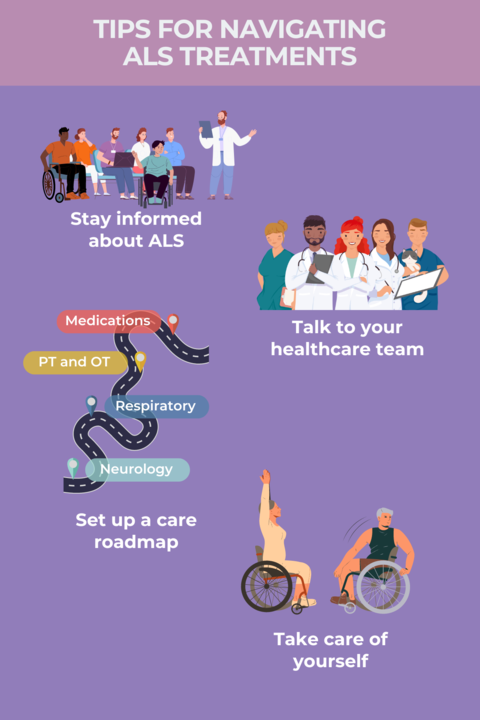
Because ALS changes over time, treatment usually is not limited to one medication or one therapy. Most people need a multidisciplinary care plan that includes medication, physical support, nutritional guidance, respiratory care, and symptom management. In many cases, this broader support system is just as important as the disease-targeting drugs themselves.
FDA-Approved ALS Medications
At present, commonly recognized FDA-approved disease-modifying treatments for ALS in the U.S. include riluzole, edaravone, and tofersen, with tofersen used only in people with a confirmed SOD1 gene mutation. Older articles may mention RELYVRIO, but that product was voluntarily withdrawn from the market in 2024 after a phase 3 trial did not confirm benefit.
Riluzole
Riluzole is one of the best-known treatments for ALS and has been used for many years. It works by helping reduce damage to motor neurons and may extend survival modestly. It is often considered a foundational medication in ALS treatment.
Edaravone
Edaravone is used to help slow the decline in muscle function and daily physical ability in some people with ALS. It does not stop the disease, but it may help preserve function for longer in selected patients.
Tofersen
Tofersen is a more targeted therapy designed for people with SOD1-related ALS, a genetic subtype of the disease. It is not used for all ALS cases. This makes genetic testing especially relevant in certain patients, because treatment options may depend on whether that mutation is present.
Medicines for symptom relief
In addition to disease-modifying therapies, people with ALS may need medications to manage symptoms such as:
- muscle cramps
- stiffness or spasticity
- excess saliva
- pain
- constipation
- sleep problems
- anxiety or depression
These medications do not change the course of ALS, but they can significantly improve daily comfort and quality of life.
Therapy and Rehabilitation for ALS
Medication is only one part of ALS care. Therapy and rehabilitation often play a major role in helping people stay safer, more comfortable, and more independent.
Physical therapy
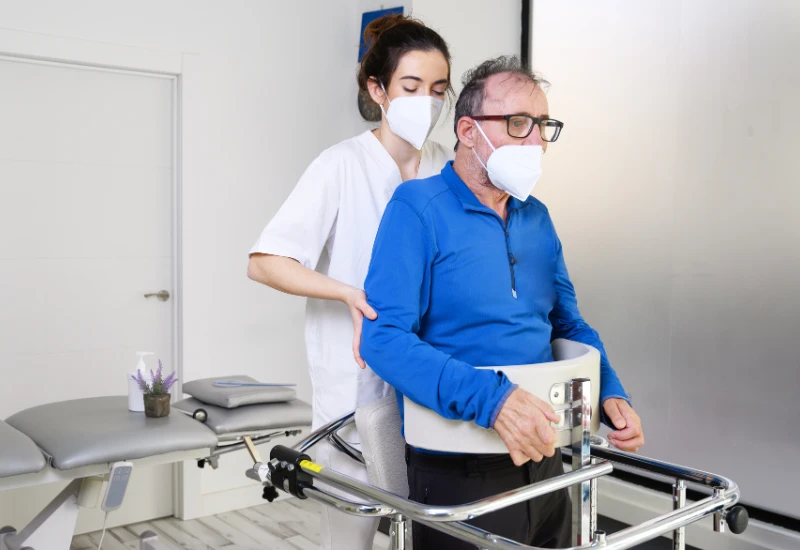
Physical therapy can help preserve mobility, reduce stiffness, and support safer movement. In ALS, physical therapy is usually focused on gentle, practical movement strategies rather than aggressive strengthening. The goal is to help the body function efficiently without causing unnecessary fatigue.
Occupational therapy
Occupational therapy helps people adapt everyday tasks as weakness progresses. This may include strategies for dressing, bathing, eating, writing, or transferring safely. It may also involve the use of assistive devices such as braces, walkers, wheelchairs, or adaptive tools that reduce strain and conserve energy.
Speech therapy
Speech-language therapy can support both communication and swallowing safety. As speech becomes weaker, a therapist may introduce voice-saving techniques, communication devices, or nonverbal strategies. They can also help identify swallowing changes early, which is important for preventing choking and aspiration.
Nutritional Support in ALS
Nutrition becomes increasingly important as ALS progresses. Many people with ALS develop difficulty chewing or swallowing, which can make it harder to consume enough calories, protein, fluids, and essential nutrients. That can lead to weight loss, dehydration, and worsening weakness.
A dietitian can help create a meal plan that is easier to manage and better suited to the person’s changing needs. This might include softer foods, higher-calorie meals, texture modification, and practical ways to maintain hydration. The goal is not just to “eat healthier,” but to eat safely and adequately despite the disease’s effects on swallowing and energy use.
When swallowing becomes too difficult or unsafe, a feeding tube may be recommended. This can help reduce the risk of choking and may lower the chance of food or liquid entering the lungs, which can contribute to pneumonia. It can also make it easier to maintain body weight and overall nutrition.
Breathing Support in ALS
Respiratory care is one of the most important parts of ALS treatment because the disease can gradually weaken the muscles used for breathing. Early breathing support often begins with noninvasive ventilation (NIV), which is usually delivered through a mask over the nose or mouth. Many people begin by using it at night, then may need it more often as the disease advances.
As breathing weakness becomes more severe, some people may eventually require mechanical ventilation. These decisions are often complex and deeply personal, so it is helpful to discuss them with the care team before respiratory problems become urgent.
When to Call a Healthcare Provider
Someone living with ALS should contact their healthcare provider if they:
- are having more trouble with daily activities
- notice symptoms getting worse
- can no longer move around safely on their own
- are experiencing treatment side effects
- feel that eating, swallowing, or breathing is becoming more difficult
Breathing symptoms deserve especially close attention. Warning signs include:
- shortness of breath, even at rest
- a weak cough
- difficulty clearing mucus
- inability to lie flat comfortably
- repeated chest infections
- increased saliva that interferes with breathing or swallowing
These symptoms may signal significant respiratory weakness and can become life-threatening. Emergency care is needed for severe trouble breathing.