Leukemia Explained: Types, Symptoms, Causes, and When to Seek Medical Care
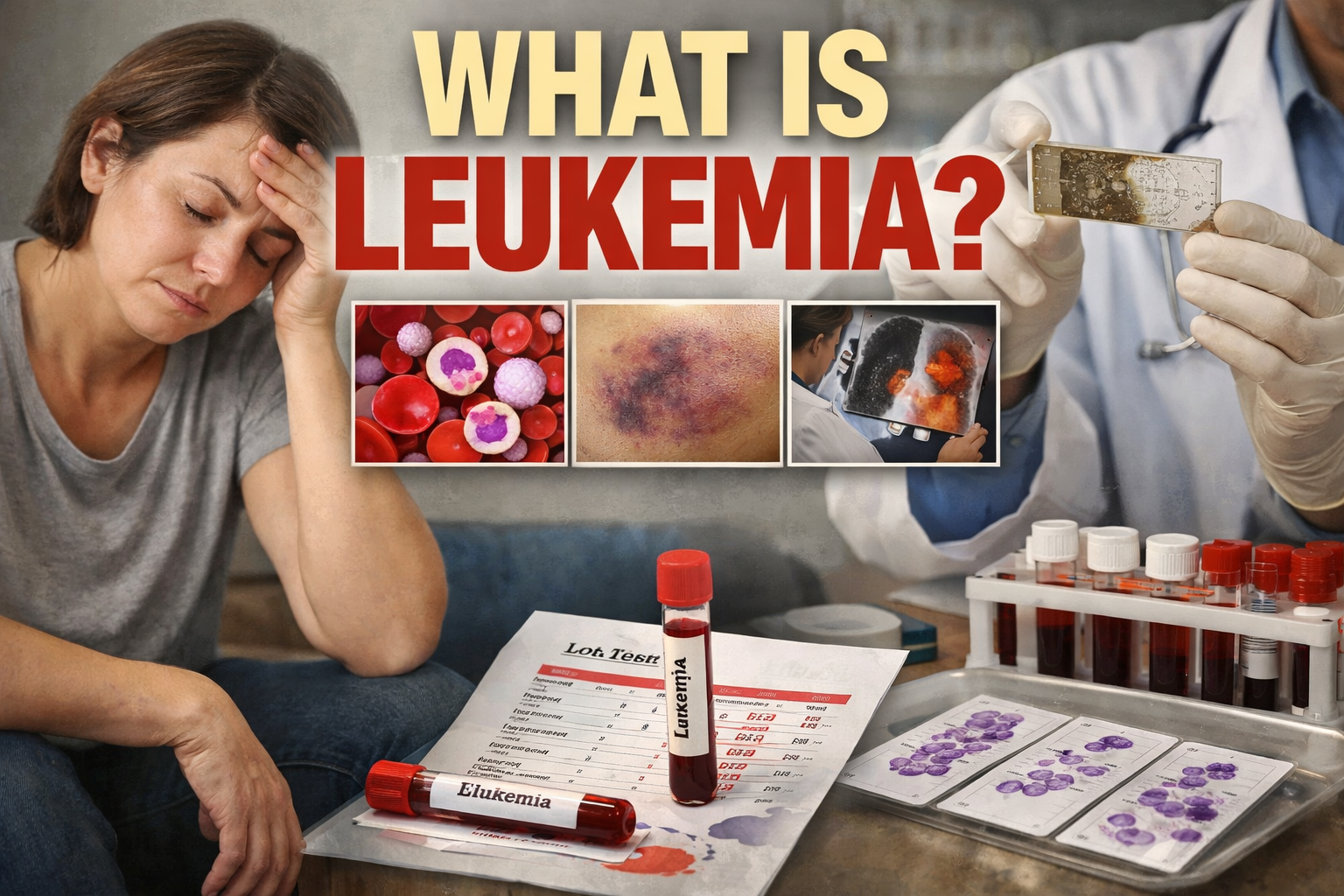
Leukemia is a type of blood cancer that starts in the bone marrow, where blood cells are made. It develops when abnormal white blood cells grow out of control and interfere with the production of healthy blood cells. Because these damaged cells circulate through the bloodstream rather than forming a solid tumor, leukemia can affect the body in widespread ways.
For many people, the word leukemia feels overwhelming. But understanding the basics can make the condition easier to recognize and discuss. Knowing the common types of leukemia, possible warning signs, and major risk factors can help patients and families take symptoms seriously and seek timely medical attention.
This guide breaks down leukemia in a clear, reader-friendly way, including the main forms of the disease, what symptoms may appear, what can raise risk, and when it is important to see a doctor.
What Is Leukemia?
Leukemia is a cancer of the blood-forming tissues, especially the bone marrow and, in some cases, the lymphatic system. The bone marrow normally makes three major kinds of blood cells:
- Red blood cells, which carry oxygen
- White blood cells, which help fight infection
- Platelets, which help blood clot
In leukemia, the body begins making abnormal white blood cells. These cells do not work as they should. Instead of protecting the body, they build up in the bone marrow and bloodstream, where they crowd out healthy cells.
That shift can lead to many of the symptoms linked with leukemia. A shortage of red blood cells may cause anemia and fatigue. Low platelet levels can lead to bruising or bleeding. A lack of normal infection-fighting white blood cells can leave the body more vulnerable to illness.
Unlike cancers that form lumps or tumors in one part of the body, leukemia is considered a systemic cancer. From the start, it involves the blood and bone marrow, so its effects can spread throughout the body.

How Leukemia Is Classified
Doctors usually group leukemia in two ways:
1. By how quickly it develops
- Acute leukemia grows fast and tends to cause symptoms quickly.
- Chronic leukemia develops more slowly and may not cause symptoms right away.
2. By the kind of blood cell involved
- Lymphoid leukemia affects lymphoid cells, which normally develop into lymphocytes
- Myeloid leukemia affects myeloid cells, which normally become several other blood cells, including certain white blood cells
Together, these categories create the four main types of leukemia.
Main Types of Leukemia
Acute Lymphoblastic Leukemia (ALL)
Acute lymphoblastic leukemia, also called acute lymphocytic leukemia, is the most common leukemia in children. It begins in immature lymphoid cells that fail to mature properly and then multiply rapidly.
Because ALL progresses quickly, symptoms often appear over days to weeks rather than months. Children may become pale, weak, bruised, or unusually tired. They may also develop frequent infections, bone pain, or fevers.
Although ALL is best known as a childhood leukemia, it can also occur in adults.
Acute Myeloid Leukemia (AML)
Acute myeloid leukemia starts in myeloid cells and is more common in adults, especially older adults. In AML, immature myeloid cells build up in the bone marrow and blood, preventing normal blood cell production.
AML often develops fast. Symptoms may include severe tiredness, infections, shortness of breath, easy bleeding, or frequent bruising. Because it can become serious quickly, prompt medical evaluation is essential when symptoms appear.
Chronic Lymphocytic Leukemia (CLL)
Chronic lymphocytic leukemia usually affects older adults. It involves abnormal lymphocytes, most often B cells, that accumulate slowly over time.
Many people with CLL have no symptoms when they are first diagnosed. In some cases, it is found during routine blood work before the person feels unwell. When symptoms do develop, they may include fatigue, swollen lymph nodes, repeated infections, or a feeling of fullness in the abdomen.
CLL is generally slower growing than acute leukemias.
Chronic Myeloid Leukemia (CML)
Chronic myeloid leukemia is another slower-growing leukemia, usually seen in adults. It is strongly linked to a specific genetic abnormality known as the Philadelphia chromosome, which leads to uncontrolled production of abnormal myeloid cells.
CML often starts in a chronic phase with mild or no symptoms. Over time, if the disease progresses, it can become more aggressive. Some people are diagnosed after routine blood tests, while others notice fatigue, weight loss, night sweats, or an enlarged spleen.
Less Common Forms of Leukemia
Not all leukemia fits neatly into the four major categories. There are also rarer types, such as:
- Hairy cell leukemia
- T-cell prolymphocytic leukemia
- Large granular lymphocytic leukemia
These forms are less common but can still affect blood cell production, immunity, and overall health.
Common Leukemia Symptoms
Leukemia symptoms often happen because the bone marrow can no longer make enough healthy blood cells. The exact pattern depends on the type of leukemia and how fast it is progressing.
Common symptoms can include:
Persistent fatigue
One of the most frequent early complaints is extreme tiredness that does not improve with rest. This often happens because leukemia can reduce red blood cell production, leading to anemia.
Frequent infections
A person with leukemia may develop recurring infections or infections that are harder to shake. Even though white blood cells may be elevated on a blood test, many of those cells are abnormal and do not work properly.
Easy bruising or bleeding
Low platelet counts can make the body less able to stop bleeding. This may show up as:
- Frequent nosebleeds
- Bleeding gums
- Heavy menstrual bleeding
- Large bruises after minor bumps
- Tiny red or purple spots on the skin called petechiae
Fever or night sweats
Some people experience unexplained fevers or drenching night sweats, even without a clear infection.
Unexplained weight loss
Losing weight without trying, especially along with fatigue and poor appetite, can be a warning sign that needs medical attention.
Bone or joint pain
This is more common in some children with leukemia but can occur in adults too. It happens when abnormal cells build up in the bone marrow.
Swollen lymph nodes or enlarged spleen
Some forms of leukemia can cause swollen glands in the neck, armpits, or groin, or a sense of fullness in the upper abdomen due to an enlarged spleen.
Acute vs. Chronic Leukemia Symptoms
The timing of symptoms can look very different depending on whether leukemia is acute or chronic.
Acute leukemia
Acute leukemia tends to cause symptoms suddenly and intensely. A person may become noticeably unwell within a short period. Severe fatigue, fever, infections, and bleeding problems may appear quickly.
Chronic leukemia
Chronic leukemia can be much quieter at first. Some people feel fine for months or even years. When symptoms do show up, they often begin gradually and may seem easy to dismiss.
Symptoms in Children vs. Adults
Leukemia can look different depending on age.
In children
Parents may notice:
- Pale skin
- Unusual tiredness
- Less interest in play
- Recurrent fever
- Bruising
- Bone or leg pain
- Swollen belly
- Frequent infections
In adults
Adults may be more likely to report:
- Ongoing exhaustion
- Shortness of breath
- Night sweats
- Repeated illness
- Weight loss
- Enlarged lymph nodes
- Easy bruising or bleeding
Because these symptoms overlap with many other conditions, leukemia cannot be diagnosed by symptoms alone. Blood tests and other medical evaluations are needed.
What Causes Leukemia?
There is no single cause of leukemia. In many cases, doctors cannot identify an exact reason why it developed. What is known is that leukemia begins after genetic changes occur in blood-forming cells. These changes disrupt the normal process of cell growth, division, and maturation.
Instead of developing into healthy blood cells, the altered cells multiply abnormally and begin to crowd out normal cells.
Genetic Changes
Most genetic changes linked to leukemia are acquired, not inherited. That means they happen during a person’s life rather than being passed down directly from a parent.
Some leukemias are tied to specific chromosomal changes. A well-known example is the Philadelphia chromosome in CML. Certain genetic findings can also help doctors better understand how a leukemia may behave.
Inherited Conditions That Raise Risk
Most people with leukemia do not inherit it, but some genetic syndromes are associated with higher risk, including:
- Down syndrome
- Li-Fraumeni syndrome
- Fanconi anemia
- Bloom syndrome
- Neurofibromatosis
These conditions do not mean leukemia is inevitable, but they can increase susceptibility.
Environmental and Treatment-Related Factors
Several outside exposures have been linked with a higher leukemia risk.
Radiation exposure
High levels of radiation exposure are a well-established risk factor. Risk is highest with major exposures, such as nuclear accidents or certain previous cancer treatments involving radiation.
Benzene
Long-term exposure to benzene, a chemical used in some industrial settings and found in gasoline, has been linked to certain leukemias, especially AML.
Smoking
Smoking is associated with an increased risk of acute myeloid leukemia. Tobacco smoke contains chemicals that can damage cells and contribute to cancer development.
Previous chemotherapy
Some people develop leukemia years after treatment for another cancer. This is called secondary leukemia or treatment-related leukemia and is a rare but serious long-term complication of some cancer therapies.
Viral Links
A few rare forms of leukemia are associated with viral infection. One example is human T-lymphotropic virus type 1 (HTLV-1), which is linked to adult T-cell leukemia/lymphoma in certain parts of the world.
However, most viral infections do not lead to leukemia, and most people with leukemia do not develop it because of a virus.
Why the Cause Is Often Unknown
In many cases, leukemia appears to develop from a combination of chance genetic mutations, aging, and other influences that are not fully understood. This is why a person can develop leukemia without any obvious exposure, family history, or known trigger.
Leukemia Risk Factors
A risk factor does not mean someone will definitely get leukemia. It only means the chance may be higher than average.
Age
Age is one of the strongest risk factors, but the pattern varies by type:
- ALL is more common in children
- AML is more common in older adults
- CLL usually affects older adults
- CML often appears in middle age or later
Sex
Many forms of leukemia are slightly more common in males than females, though the reasons are not completely clear.
Family history
Most leukemia is not strongly hereditary, but having a close relative with certain blood cancers may slightly raise risk in some cases.
Genetic disorders
Some inherited conditions, such as Down syndrome, carry a higher risk.
Chemical exposure
Long-term exposure to benzene and certain industrial chemicals may increase risk.
Smoking
Smoking is a known modifiable risk factor for AML.
Previous cancer treatment
Past chemotherapy or radiation treatment can sometimes raise future leukemia risk.
Certain blood disorders
Some bone marrow conditions, such as myelodysplastic syndromes, can progress to acute leukemia.
Who Gets Leukemia?
Leukemia affects both children and adults, but the pattern changes with age.
- In children, leukemia is one of the most common cancers, especially ALL.
- In adults, leukemia is more common overall, particularly AML, CLL, and CML.
- In older adults, chronic leukemias and AML become much more frequent.
Different populations may also have different rates of leukemia depending on genetics, environmental exposures, and access to medical care.
How Leukemia Can Affect Daily Life
A leukemia diagnosis can reshape daily routines in physical, emotional, and social ways.
Physical Effects
The physical burden often comes from fatigue, anemia, infection risk, and bleeding problems. Even basic tasks may become harder. Some people need to pace themselves carefully, rest more often, or avoid certain activities that increase the risk of injury or infection.
Emotional Impact
It is common to experience fear, uncertainty, anger, sadness, or anxiety after a leukemia diagnosis. Even people who seem calm on the outside may feel overwhelmed by decisions, medical appointments, and the unpredictability of the illness.
Support from loved ones, counselors, support groups, and medical teams can make a major difference.
Social and Work Challenges
Leukemia can affect work schedules, finances, family roles, and social life. Some people can continue many normal routines with adjustments. Others may need significant help during periods of illness or treatment.
Relationships can also shift. Family members may take on caregiving roles, and patients may need to communicate clearly about energy limits, emotional needs, and practical support.
Quality of Life
Many people living with leukemia work hard to protect quality of life by:
- Conserving energy
- Preventing infection
- Staying connected with supportive people
- Asking for help when needed
- Focusing on meaningful routines and activities
Even when life changes, many people find new ways to maintain independence, purpose, and comfort.
When to Talk to a Doctor
Many leukemia symptoms can also happen with more common and less serious conditions. Still, certain symptoms should not be ignored, especially if they persist or appear together.
See a doctor if you notice:
- Ongoing fatigue that does not improve
- Frequent infections
- Unexplained bruising
- Bleeding that seems unusual
- Fevers without a clear reason
- Night sweats
- Swollen lymph nodes
- Bone pain
- Unexplained weight loss
- Pale skin or shortness of breath
When Symptoms May Need Urgent Care
Get prompt medical attention for symptoms such as:
- High fever
- Severe weakness
- Shortness of breath
- Heavy bleeding
- Signs of serious infection
- Rapid worsening of bruising or petechiae
How Leukemia Is Diagnosed
If a doctor suspects leukemia, the evaluation often begins with:
- Medical history
- Physical exam
- Complete blood count (CBC)
- Blood smear
If blood tests show concerning abnormalities, further testing may include a bone marrow biopsy and specialized lab studies to identify the exact type of leukemia.
Because treatment decisions depend heavily on the specific diagnosis, accurate testing is essential.
FAQ
Is leukemia hereditary?
Usually not. Most leukemia cases are not directly inherited. While some genetic syndromes and family histories can raise risk, most people with leukemia do not have a strong hereditary cause.
Can leukemia be prevented?
Not always. Many cases cannot be prevented because the exact cause is unknown. Still, avoiding smoking and limiting exposure to certain harmful chemicals may help reduce risk.
What is the difference between leukemia and lymphoma?
Both are blood-related cancers, but they behave differently. Leukemia mainly affects the blood and bone marrow, while lymphoma usually starts in the lymphatic system, often causing swollen lymph nodes or masses.
What are the first signs of leukemia?
Early symptoms may include unusual tiredness, repeated infections, easy bruising, pale skin, fever, or unexplained bleeding. In chronic leukemia, symptoms may be mild or absent at first.
Is leukemia more common in children or adults?
Leukemia is the most common cancer in children, but overall it is more common in adults. The type matters: ALL is more common in children, while AML, CLL, and CML are seen more often in adults.
Can you have leukemia without knowing it?
Yes. Some chronic leukemias develop slowly and may cause no symptoms for a long time. In these cases, leukemia may be discovered during routine blood work.
Is leukemia always fatal?
No. Outcomes vary widely depending on the type of leukemia, the person’s age, and how the disease responds to treatment. Some forms have very good outcomes, and many people live for years with chronic leukemia.
What happens if leukemia is not treated?
Untreated leukemia can eventually become life-threatening. It may lead to severe anemia, infections, bleeding, and progressive bone marrow failure. Acute leukemia can worsen very quickly.
Final
Leukemia is not a single disease but a group of blood cancers that affect how blood cells are made and function. Some forms develop quickly and require urgent treatment. Others progress slowly and may be discovered before symptoms become obvious.
Learning the major types, common symptoms, and possible causes can help people recognize when something is not right. Persistent fatigue, unusual bruising, repeated infections, and unexplained fevers or weight loss are all signs that deserve medical attention.
While risk factors such as age, certain genetic conditions, smoking, chemical exposure, and previous cancer treatment can play a role, many people who develop leukemia have no clear cause. That is why awareness matters.
Anyone concerned about symptoms or personal risk should speak with a qualified healthcare professional. Early evaluation can help rule out serious illness or lead to faster diagnosis and treatment when needed.