Blood Cancer: Types, Symptoms, Causes, and When to See a Doctor
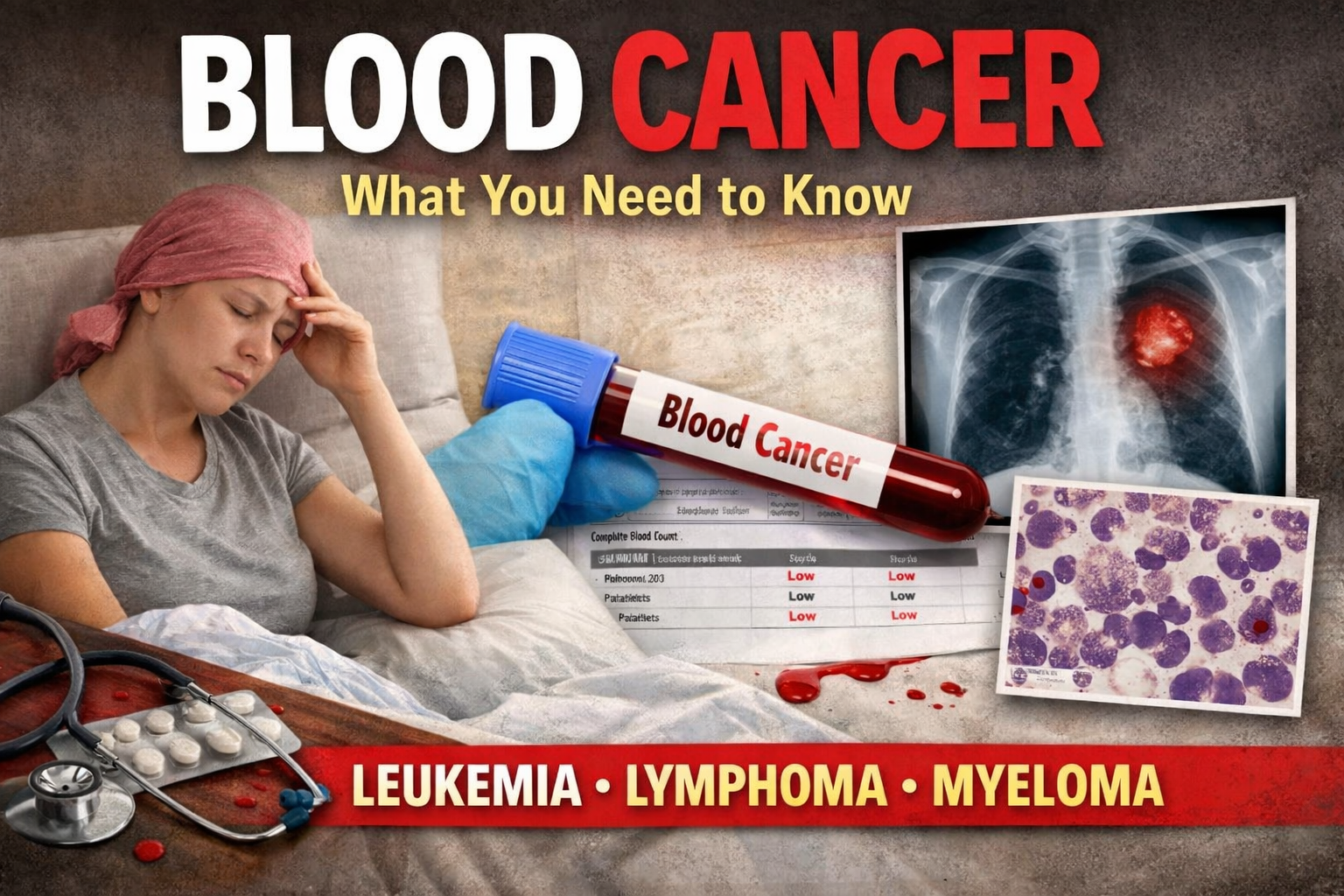
Blood cancer is not a single disease. It is a group of cancers that start in the blood, bone marrow, lymphatic system, or plasma cells. The main categories are leukemia, lymphoma, and myeloma. These conditions can interfere with how the body makes healthy blood cells, fights infection, carries oxygen, and controls bleeding.
Unlike many solid tumors, blood cancers are usually considered “systemic,” meaning abnormal cells can circulate through the blood or lymphatic system rather than staying confined to one organ. That is one reason symptoms can be wide-ranging and easy to miss at first.
Some blood cancers grow quickly and need urgent treatment. Others develop slowly and may be found during routine blood work before they cause obvious symptoms. Knowing the early warning signs can help people seek medical care sooner, but symptoms alone cannot confirm a diagnosis.
What is blood cancer?
Blood cancer, also called a hematologic cancer, begins in blood-forming tissue such as the bone marrow or in immune system cells. In a healthy body, bone marrow produces red blood cells, white blood cells, and platelets in a controlled way. When cancer develops, abnormal cells grow out of control, crowd out normal cells, or stop working the way they should.
That disruption can lead to anemia, repeated infections, unusual bruising or bleeding, swollen lymph nodes, bone problems, or organ-related complications depending on the type of blood cancer involved.
Main types of blood cancer
1) Leukemia
Leukemia starts in the bone marrow and blood. It often involves abnormal white blood cells or immature blood-forming cells. In many cases, these cells build up and crowd out healthy blood cells.
Acute leukemia
Acute leukemias usually develop fast and often need prompt treatment. Two major types are acute lymphoblastic leukemia, which affects lymphoid cells, and acute myeloid leukemia, which affects myeloid cells.
Chronic leukemia
Chronic leukemias usually grow more slowly. Chronic lymphocytic leukemia may cause few symptoms early on and is sometimes found on a routine blood test. Chronic myeloid leukemia is linked to a specific genetic rearrangement that creates the BCR-ABL fusion gene.
2) Lymphoma
Lymphoma affects the lymphatic system, which includes lymph nodes, the spleen, and other immune tissues. It develops from lymphocytes, a kind of white blood cell. The two broad groups are Hodgkin lymphoma and non-Hodgkin lymphoma.
Hodgkin lymphoma often has a different pattern of spread and distinct abnormal cells seen on testing. Non-Hodgkin lymphoma is a large group of diseases that can behave very differently, from slow-growing to highly aggressive.
3) Myeloma
Myeloma, usually multiple myeloma, starts in plasma cells. Plasma cells normally make antibodies, but in myeloma they become abnormal and can build up in the bone marrow. This may reduce healthy blood cell production and cause bone damage, kidney problems, infections, and abnormal proteins in the blood or urine.
Other related blood disorders
Some bone marrow diseases are not grouped under the big three above but still matter clinically. These include myelodysplastic syndromes and other plasma cell disorders such as plasmacytoma and MGUS. MGUS itself is not cancer, but it can progress in some people, and it is often found by accident on blood testing because it usually causes no symptoms.
Early signs and symptoms of blood cancer
Symptoms vary by type, but certain warning signs show up often across many blood cancers.
Common symptoms that may occur across several blood cancers
Persistent fatigue is one of the most common complaints. This can happen when cancer affects red blood cell production and leads to anemia. People may also notice weakness, shortness of breath, or reduced exercise tolerance.
Frequent infections or infections that are harder to clear can happen when abnormal white blood cells cannot protect the body properly. Fever may also appear, sometimes without a clear cause.
Easy bruising, nosebleeds, bleeding gums, tiny red or purple skin spots, or bleeding that seems out of proportion can develop when platelet counts are low or blood clotting is affected.
Unexplained weight loss, drenching night sweats, and ongoing fever are also important red flags, especially when they occur together. These are often discussed in lymphoma and some leukemias.
Symptoms that may point more toward leukemia
Leukemia may cause pale skin, severe tiredness, recurrent infections, bone or joint pain, swollen lymph nodes, and abdominal fullness from an enlarged liver or spleen. Acute forms can worsen over weeks rather than months.
Symptoms that may point more toward lymphoma
Lymphoma often causes painless swelling of lymph nodes in the neck, armpit, or groin. Some people also develop fever, weight loss, fatigue, drenching night sweats, chest discomfort, cough, or a sense of pressure if lymph nodes in the chest enlarge.
Symptoms that may point more toward myeloma
Myeloma often causes bone pain, especially in the back, ribs, hips, or shoulders. It can also lead to anemia, weakness, repeated infections, kidney problems, fractures, and high calcium levels, which may cause thirst, constipation, or confusion.
Causes of blood cancer
Blood cancer develops because of changes in the DNA of blood-forming or immune cells. These changes can alter how cells grow, divide, and die. In many cases, there is no single clear cause. Instead, risk seems to reflect a mix of age, genetics, immune factors, past treatment exposures, and environmental influences.
Some blood cancers have known genetic changes within cancer cells. For example, most chronic myeloid leukemia cases involve the BCR-ABL rearrangement. That does not necessarily mean the disease was inherited from a parent; often the mutation happens during life rather than being passed down.
Risk factors for blood cancer
A risk factor does not mean someone will definitely develop blood cancer. It only means the odds may be higher than average.
Age
Many blood cancers become more common with age, although some have different age patterns. Hodgkin lymphoma has peaks in younger and older adults, and acute lymphoblastic leukemia is a major childhood leukemia.
Sex
Some blood cancers are more common in males, including certain leukemias and lymphomas.
Family history and genetics
Family history can raise risk in some situations, and certain inherited genetic syndromes are linked to higher risk. Down syndrome is one example associated with certain leukemias. Still, most blood cancers are not directly inherited.
Prior chemotherapy or radiation
Previous cancer treatment can increase the risk of later blood cancers in some people, especially certain leukemias.
Radiation exposure
High-dose radiation exposure is a recognized risk factor for some leukemias.
Smoking
Smoking is a known risk factor for acute myeloid leukemia.
Weakened immune system
A weakened immune system can increase the risk of some lymphomas. This may apply to people with certain medical conditions or those taking immunosuppressive medicines.
Certain infections
Some blood cancers are linked with prior infections. Epstein-Barr virus has been associated with Hodgkin lymphoma, for example.
How blood cancer affects the body
Because blood and immune cells travel throughout the body, blood cancer can cause system-wide effects. Reduced red blood cells may lead to anemia and fatigue. Abnormal or ineffective white blood cells can weaken immune defenses. Low platelets can increase bleeding risk.
Some blood cancers also affect organs directly. Enlarged lymph nodes, liver, or spleen may cause swelling, discomfort, or a feeling of fullness. Myeloma can damage bones and kidneys. In more advanced cases, complications can involve the nervous system or other organs depending on where abnormal cells collect.
How blood cancer is diagnosed
A diagnosis usually starts with a medical history, symptom review, and physical exam. Doctors may look for enlarged lymph nodes, signs of bleeding, infection, liver or spleen enlargement, and other clues.
Blood tests
A complete blood count, or CBC, is often one of the first tests ordered. It measures red blood cells, white blood cells, and platelets. Abnormal results can suggest a blood disorder, but they do not confirm the exact diagnosis on their own.
In myeloma, blood and urine tests may look for abnormal proteins. Other lab tests may assess kidney function, calcium levels, and signs of cell breakdown.
Bone marrow and other specialized tests
Doctors may use bone marrow testing, imaging, flow cytometry, chromosome studies, or molecular testing to confirm the diagnosis and identify the exact subtype. Those details matter because treatment and outlook vary widely across blood cancers.
When to see a doctor
Make a medical appointment if you have symptoms such as unexplained fatigue, frequent infections, easy bruising, swollen lymph nodes, ongoing fever, night sweats, bone pain, or unplanned weight loss that do not go away or keep getting worse. These symptoms can be caused by many conditions besides cancer, but they deserve a proper evaluation if they persist.
Seek urgent care right away for severe bleeding, trouble breathing, confusion, very high fever, or serious weakness.
Can blood cancer be prevented?
There is no guaranteed way to prevent blood cancer. Many cases happen in people without a clear cause or any obvious risk factors. Still, reducing avoidable risks may help in some situations. That includes not smoking, limiting harmful exposures when possible, and following workplace safety rules for radiation or chemical exposure.
There is also no standard population-wide screening test for most blood cancers. That makes symptom awareness and timely medical assessment especially important.
Living with concern about blood cancer risk
If you have a family history of blood cancer, a prior cancer treatment history, or ongoing symptoms that worry you, it is reasonable to discuss your risk with a healthcare professional. A doctor can review your medical history, exposures, current symptoms, and blood test results to decide whether more evaluation is needed.
For most people, the best approach is not panic but perspective: know the warning signs, keep up with routine care, and get persistent symptoms checked rather than self-diagnosing online. That is especially important because blood cancer symptoms can overlap with infections, autoimmune conditions, anemia, and many other non-cancer causes.
Conclusion
Blood cancer is a broad term that includes leukemia, lymphoma, and myeloma. These diseases affect blood-forming tissues or immune cells and can cause symptoms such as fatigue, infections, bruising, swollen lymph nodes, bone pain, fever, night sweats, and weight loss. Some blood cancers progress quickly, while others move slowly and may be discovered incidentally.
The most important takeaway is this: persistent, unexplained symptoms should not be ignored. Many causes are less serious than cancer, but only proper medical evaluation can tell the difference. Early attention is often the safest move.