Throat Cancer Symptoms, Causes, and Risk Factors: A Clear Guide to Early Warning Signs
Throat cancer is not a single disease. It is a broad term used for cancers that begin in parts of the throat, including the larynx, or voice box, and nearby areas of the pharynx. Many of these cancers start in the thin, flat cells that line the throat, which is why squamous cell carcinoma is the most common type.
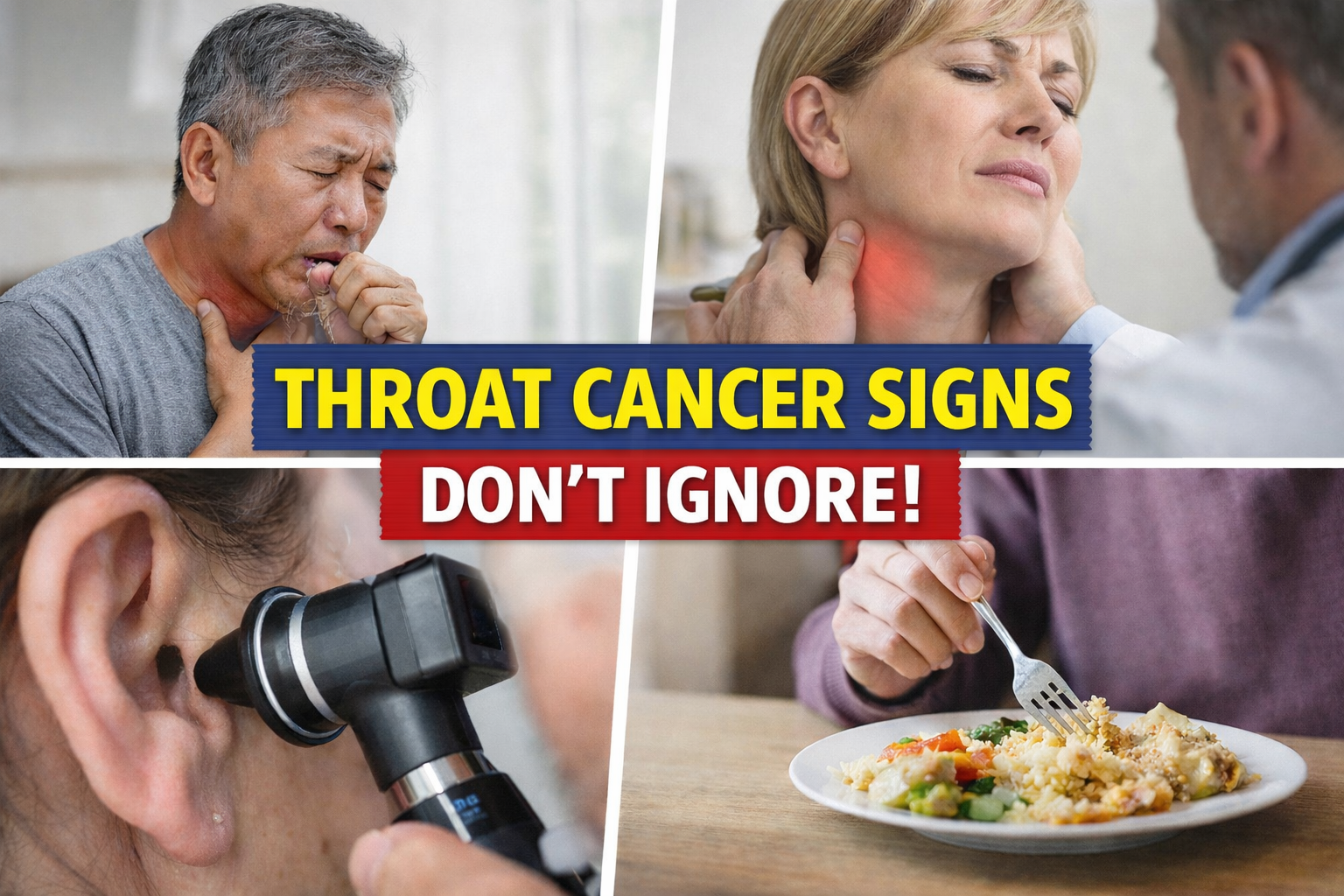
What makes throat cancer especially important to recognize is that the earliest signs can seem easy to dismiss. A lingering hoarse voice, pain with swallowing, a sore throat that will not go away, or a lump in the neck may be mistaken for an infection, reflux, or vocal strain. But when symptoms persist, getting checked matters. According to major cancer and health organizations, symptoms such as ongoing hoarseness, trouble swallowing, neck swelling, and unexplained ear pain deserve medical attention, especially when they last more than a couple of weeks.
This guide explains what throat cancer is, the warning signs to watch for, the most important causes and risk factors, and the steps that may help lower risk.
What is throat cancer?
“Throat cancer” usually refers to cancers that develop in structures involved in speaking, breathing, and swallowing. These may include:
- Laryngeal cancer, which starts in the voice box
- Hypopharyngeal cancer, which begins in the lower part of the throat
- Oropharyngeal cancer, which affects the middle part of the throat, including the tonsil area and base of the tongue
- Nasopharyngeal cancer, which starts higher up behind the nose
Because these areas are closely connected, symptoms can overlap. A cancer in one part of the throat may affect the voice, swallowing, breathing, or nearby lymph nodes in the neck.

Early symptoms of throat cancer
The first symptoms depend on where the cancer starts, but several warning signs appear again and again across trusted medical sources.
1. Hoarseness or a voice change that does not improve
A persistent hoarse, rough, or weaker voice is one of the best-known signs of cancer involving the larynx. If your voice has changed and the problem is not clearing up, it should not be ignored.
2. A sore throat that lingers
A throat that feels irritated or painful for weeks is another possible warning sign. While infections are much more common, a sore throat that does not settle deserves a medical review.
3. Pain or difficulty when swallowing
Some people notice that swallowing becomes uncomfortable, or that food seems to “stick” on the way down. This symptom can happen when a tumor affects the normal passage of food or irritates the surrounding tissues.
4. A lump or swelling in the neck
A neck lump may be an enlarged lymph node. This does not always mean cancer, but a lump that stays, grows, or feels firm needs evaluation. Neck lumps are a recognized sign of several head and neck cancers, including cancers in the throat.
5. Ear pain without a clear ear problem
Pain can sometimes be “referred,” meaning the source is actually in the throat, not the ear. Persistent earache with no obvious infection is one more reason to get checked.
6. Ongoing cough, breathing changes, or bad breath
Some people develop a chronic cough, shortness of breath, noisy breathing, or persistent bad breath. These symptoms are not specific to cancer, but they can appear when the throat or voice box is involved.
7. Unexplained weight loss
Losing weight without trying can happen in many illnesses, including cancer. In throat cancer, it may be linked to trouble eating, reduced appetite, or more advanced disease.
When to see a doctor
Many throat symptoms come from much less serious causes, such as viral infections, allergies, acid reflux, or vocal overuse. Still, persistent symptoms should not be brushed off. A practical rule is this: if a symptom such as hoarseness, a sore throat, trouble swallowing, or a neck lump lasts longer than two to three weeks, make an appointment with a healthcare professional. That advice is consistent with symptom guidance from cancer and national health organizations.
What causes throat cancer?
Cancer develops when cells begin growing out of control after changes build up in their DNA. In throat cancer, several exposures and health factors are strongly linked to that process.
Tobacco use
Smoking remains one of the most important risk factors for cancers of the larynx and hypopharynx. Cigarettes, cigars, and pipes all raise risk, and in general, the more tobacco exposure a person has had, the higher the risk becomes.
Heavy alcohol use
Alcohol is another major factor. It can damage tissues in the mouth and throat and appears to work even more dangerously when combined with tobacco. Medical sources consistently note that smoking plus heavy drinking is a particularly harmful combination.
Human papillomavirus (HPV)
HPV is now a major driver of many oropharyngeal cancers, especially cancers involving the tonsils and the base of the tongue. This matters because some people with HPV-related throat cancers have never smoked.
Other contributors
Other possible contributors may include occupational exposures, poor diet, and chronic irritation in some cases, though the strength of evidence can vary depending on the specific cancer site. Tobacco, alcohol, and HPV remain the most established factors across major clinical sources.
Main risk factors for throat cancer
Some people face a higher chance of developing throat cancer than others. The biggest known risk factors include:
Smoking or other tobacco exposure
This remains the leading modifiable risk factor for many throat cancers.
Heavy alcohol consumption
Risk rises further when alcohol use is paired with smoking.
HPV infection
This is especially relevant for cancers in the oropharynx.
Older age
Many throat cancers are more often diagnosed later in adulthood, although HPV-related cancers can also affect younger and middle-aged adults.
Male sex
Laryngeal cancer risk is higher in men than in women. Recent American Cancer Society statistics also show a much higher lifetime risk in men.
Certain workplace exposures
Some jobs may involve contact with irritants, dusts, or chemicals that may add to risk over time. This varies by industry and the specific substance involved.
Can throat cancer happen in non-smokers?
Yes. This is one of the most important points readers should understand.
Although smoking is a major cause, not every case is linked to tobacco. HPV-related oropharyngeal cancers can develop in people who have never smoked, and that has changed the profile of who may be affected. That is one reason persistent symptoms should always be taken seriously, even in people who do not think of themselves as high-risk.
Why early detection matters
The earlier throat cancer is found, the better the chances of controlling it while preserving speech, swallowing, and overall quality of life. Symptoms alone do not confirm cancer, but they are often what leads to diagnosis. Trusted cancer sources emphasize that these cancers are commonly found because they start causing noticeable problems.
A healthcare professional may examine the throat, feel the neck for swollen nodes, and decide whether further testing is needed. Depending on the situation, that may include imaging, referral to an ear, nose, and throat specialist, or a scope exam.
How to lower your risk
No prevention strategy can eliminate risk completely, but several steps can make a real difference.
Quit smoking
Stopping tobacco use is one of the most important actions you can take for throat and overall health.
Limit alcohol
Reducing heavy drinking lowers one of the most established risks for throat cancer.
Stay up to date on HPV vaccination
The CDC says the HPV vaccine protects against the HPV types that can cause oropharyngeal cancers, and HPV vaccination is recommended routinely at ages 11 to 12, with catch-up vaccination through age 26 if not vaccinated earlier. The CDC also notes that some adults ages 27 through 45 may decide to get vaccinated after discussion with a clinician.
Do not ignore ongoing symptoms
Persistent hoarseness, swallowing problems, or a neck lump should be checked rather than watched indefinitely.
Common myths about throat cancer
Myth: Only smokers get throat cancer
False. Smoking is a major cause, but HPV-related throat cancers can affect non-smokers too.
Myth: A hoarse voice is never serious
False. Most hoarseness is not cancer, but voice changes that last beyond a few weeks need medical review.
Myth: A neck lump is always just a swollen gland
False. Many neck lumps are benign, but a persistent one should not be assumed harmless.
FAQ
What are the earliest signs of throat cancer?
Early symptoms often include a hoarse voice that does not improve, a sore throat that lingers, pain or trouble swallowing, a neck lump, or unexplained ear pain.
How long should throat cancer symptoms last before I worry?
Symptoms do not need to be severe to matter. A good rule is to get checked if they last more than two to three weeks or keep coming back.
Is throat cancer the same as laryngeal cancer?
Not exactly. Laryngeal cancer is one type of throat cancer. “Throat cancer” is a broader term that can include cancers in the larynx and other nearby throat areas.
Can HPV vaccination help prevent throat cancer?
It can help reduce the risk of HPV-related oropharyngeal cancers because it protects against the HPV types that can cause them.
Are throat cancer symptoms always constant?
Not always at first, but symptoms that persist, return, or gradually worsen are the ones that deserve prompt attention. Cancer-related symptoms usually do not fully clear without treatment.
Conclusion
Throat cancer can begin quietly, with symptoms that look deceptively ordinary at first. A lasting change in the voice, ongoing throat pain, trouble swallowing, a neck lump, or unexplained ear pain should never be ignored. The most important known risk factors include tobacco, heavy alcohol use, and HPV infection, but throat cancer can also occur in people who have never smoked.
The most useful message for readers is simple: persistent symptoms deserve attention. Earlier evaluation can lead to earlier diagnosis, and that can make a meaningful difference in treatment options and outcomes. If symptoms continue beyond a couple of weeks, book a medical appointment instead of waiting for them to resolve on their own.