Hiatal Hernia Symptoms: Causes, Risk Factors, and Warning Signs
Hiatal Hernia Symptoms: Causes, Risk Factors, and Treatment
Hiatal hernia symptoms can vary widely, from mild discomfort to persistent acid reflux that affects daily life.
A hiatal hernia is a common condition in which part of the stomach moves upward through the diaphragm and into the chest. Some people never know they have one. Others deal with frequent heartburn, regurgitation, chest discomfort, bloating, or trouble swallowing that gradually affects daily life.
Because symptoms can overlap with acid reflux, indigestion, or even heart problems, hiatal hernia is often misunderstood. That makes it important to know what the condition actually is, who is more likely to develop it, and which warning signs should never be ignored.
This guide breaks down the essentials in a practical, reader-friendly way, including how hiatal hernias form, the main types, the most common symptoms, what raises your risk, and how lifestyle habits can make a real difference.
What is a hiatal hernia?
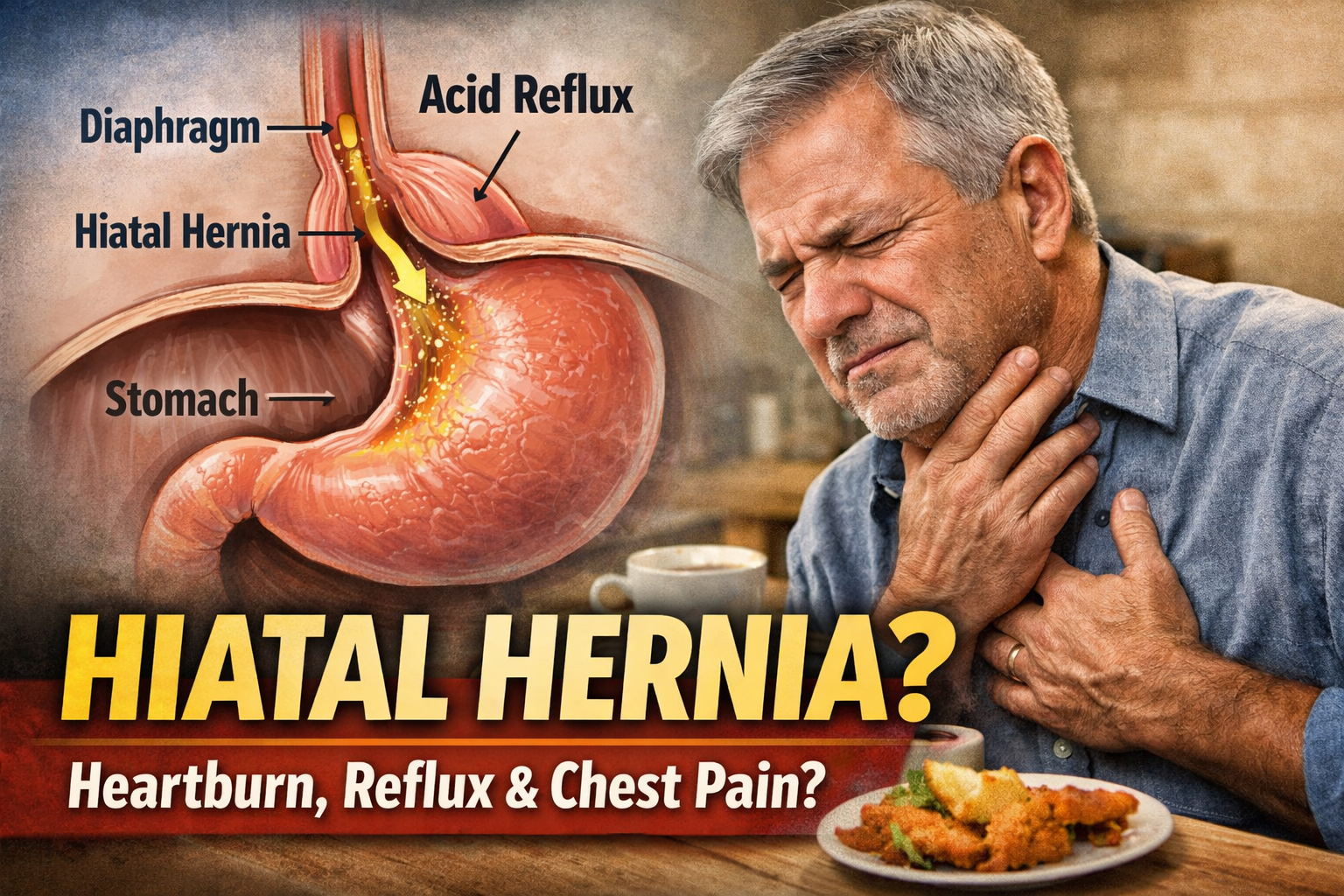
A hiatal hernia happens when the upper part of the stomach pushes through the hiatus, a small opening in the diaphragm. The diaphragm is the large muscle that helps with breathing and separates the chest from the abdomen. Normally, the oesophagus passes through this opening before joining the stomach, which sits below the diaphragm.
When that opening widens or the surrounding tissue weakens, part of the stomach can move upward into the chest cavity. This shift may interfere with the normal barrier that helps keep stomach contents where they belong. As a result, acid can move back into the oesophagus more easily, leading to reflux-related symptoms in many people.
Not everyone with a hiatal hernia feels unwell. In fact, some cases are only found during scans or tests done for unrelated reasons. But when symptoms do appear, they can range from mild and occasional to persistent and disruptive.
How the digestive system is supposed to work
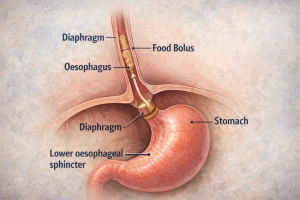
To understand why a hiatal hernia can cause symptoms, it helps to picture the normal setup.
In a healthy digestive system:
- The oesophagus carries food from the mouth to the stomach
- The stomach stays below the diaphragm
- The lower oesophageal sphincter acts like a valve between the oesophagus and stomach
- The diaphragm supports that valve by helping maintain pressure in the right place
When part of the stomach slips above the diaphragm, that arrangement becomes less stable. The lower oesophageal sphincter may not close as effectively, and acid reflux becomes more likely, especially after meals or when lying flat.
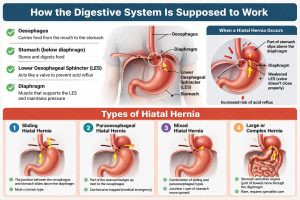
Types of hiatal hernia
Hiatal hernias are not all the same. Doctors usually divide them into four categories.
1. Sliding hiatal hernia
This is by far the most common type. In a sliding hernia, the area where the oesophagus meets the stomach moves above the diaphragm, then may slide back down again. The hernia can shift with position, straining, coughing, or bending.
This type is most often linked to acid reflux symptoms rather than an emergency complication.
2. Paraoesophageal hiatal hernia
This type is less common but more concerning. The junction between the oesophagus and stomach stays in its usual place, but part of the stomach bulges up beside the oesophagus.
A paraoesophageal hernia can sometimes become trapped. In more serious cases, the stomach can twist or lose part of its blood supply, which is a medical emergency.
3. Mixed hiatal hernia
A mixed hernia combines features of both the sliding and paraoesophageal types. The stomach junction moves upward, and additional parts of the stomach also herniate through the opening.
4. Large or complex hiatal hernia
In the most severe forms, not only the stomach but also other abdominal organs, such as part of the bowel, may move through the diaphragm. These cases are rare but require specialist evaluation.
What causes a hiatal hernia?
A hiatal hernia usually does not come from one single cause. More often, it develops over time because of a combination of structural weakness and repeated pressure inside the abdomen.
Age-related weakening
One of the most common reasons is gradual weakening of the tissues around the diaphragm. As people get older, muscles and connective tissues lose some strength and elasticity. The opening in the diaphragm may become more lax, making it easier for the stomach to move upward.
Repeated pressure inside the abdomen
Anything that frequently increases pressure within the abdomen can contribute. Examples include:
- Heavy lifting
- Chronic coughing
- Repeated vomiting
- Straining during bowel movements
- Long-term constipation
- Carrying excess body weight
This pressure does not always cause a hernia by itself, but it can push against already weakened tissue and increase the chance of one developing.
Changes in body mechanics and posture
Poor posture may not directly create a hiatal hernia, but slouching, abdominal compression, and mechanical strain can make symptoms more noticeable. Tight waistbands or restrictive clothing may also increase pressure and worsen discomfort in people already prone to reflux.
Pregnancy
Pregnancy places extra pressure on the abdomen and can increase reflux symptoms. Hormonal changes may also relax tissues and affect the normal tone of digestive structures. For some women, this can make a hiatal hernia more likely or make an existing one more symptomatic.
Risk factors that make hiatal hernia more likely
Some people are simply more likely to develop a hiatal hernia than others. The strongest risk factors include age, body weight, pressure-related strain, and inherited tissue characteristics.
Getting older
Risk rises with age. Hiatal hernia is much more common in older adults than in younger people, largely because supportive tissues weaken over time.
Excess body weight
Carrying extra weight, especially around the abdomen, increases pressure on the stomach and diaphragm. This is one of the most important modifiable risk factors.
Chronic constipation
Regular straining can repeatedly increase abdominal pressure. Over months or years, this may contribute to hernia formation or worsening symptoms.
Persistent coughing
Long-term coughing from chronic bronchitis, smoking-related lung disease, asthma, or other respiratory conditions can place repeated stress on the diaphragm.
Smoking
Smoking may affect tissue health and is also associated with chronic cough and reflux, making symptoms harder to control.
Pregnancy and multiple pregnancies
The growing uterus increases abdominal pressure. Repeated pregnancies may add to that mechanical strain over time.
Family history and connective tissue weakness
Some people may inherit tissue features that make them more susceptible. A family history of hiatal hernia or connective tissue disorders can increase risk.
Certain connective tissue disorders
Conditions that affect collagen or tissue strength can weaken the structures that help keep the stomach in its normal position.
Common Hiatal Hernia Symptoms You Should Know
Symptoms vary widely. Some people have none at all. Others mainly notice reflux. In some cases, symptoms feel vague and are mistaken for ordinary indigestion.
Heartburn
Heartburn is one of the most common complaints. It often feels like a burning sensation behind the breastbone, especially after eating, when bending over, or at night.
Acid reflux or regurgitation
Stomach acid or food may move back into the throat or mouth. This may leave a sour or bitter taste and can be worse when lying down.
Chest discomfort
A hiatal hernia can cause pressure, tightness, or pain in the chest. Because chest pain can also signal heart disease, it should never be dismissed without proper assessment when it is severe, new, or unusual.
Difficulty swallowing
Some people feel that food moves slowly, sticks on the way down, or causes discomfort in the chest after swallowing.
Bloating and belching
Changes in stomach position may contribute to trapped air, upper abdominal fullness, or frequent burping.
Feeling full very quickly
A person may feel uncomfortably full after a small meal, especially if the hernia is larger.
Nausea or upper abdominal discomfort
These symptoms are less specific but can occur, particularly after large meals.
Shortness of breath
A larger hernia may create pressure in the chest, especially after eating. Some people report breathlessness, though this is less common than reflux symptoms.
Silent hiatal hernia: can you have one without knowing?
Yes. A hiatal hernia can exist without obvious symptoms. Many are found incidentally during:
- Endoscopy
- Imaging for chest or stomach complaints
- Investigations for chronic reflux
- Tests for swallowing problems
This matters because the size of the hernia does not always match how severe symptoms feel. A small hernia can still cause noticeable reflux, while a larger one may produce surprisingly little discomfort until complications develop.
Why hiatal hernia often goes hand in hand with acid reflux
Hiatal hernia and gastro-oesophageal reflux disease often overlap. The main reason is mechanical.
Normally, the lower oesophageal sphincter and the diaphragm work together to help keep acid in the stomach. When the stomach moves above the diaphragm, that natural anti-reflux barrier can weaken. Acid is then more likely to move up into the oesophagus.
Over time, repeated reflux may lead to:
- Oesophagitis, or inflammation of the oesophagus
- Painful swallowing
- Chronic throat irritation
- Cough or hoarseness
- Oesophageal narrowing from scarring
- Barrett’s oesophagus in some people with long-standing reflux
That is why persistent reflux symptoms should not simply be ignored or self-managed forever.
Symptoms that may make a hiatal hernia worse
Even when a hiatal hernia is present, symptoms often flare because of triggers rather than staying equally intense all the time.
Common triggers include:
- Large meals
- Lying down soon after eating
- Bending over after meals
- Tight belts or waistbands
- Heavy lifting
- Straining
- Alcohol
- Caffeine
- Rich, fatty, spicy, or highly acidic foods
Each person’s triggers are slightly different. For some, tomato-based meals are a problem. For others, it is chocolate, peppermint, fried food, or eating too late in the evening.
How hiatal hernia can affect day-to-day life
Hiatal hernia may sound minor, but persistent symptoms can wear people down. Frequent reflux and upper abdominal discomfort can interfere with sleep, work, exercise, and social eating.
Some people begin to avoid meals out, eat too little, rely heavily on antacids, or sleep poorly because they wake with burning in the chest or throat. Others find themselves anxious about chest pain, especially when symptoms mimic something more serious.
In long-standing cases, quality of life often suffers not because the condition is immediately dangerous, but because symptoms become repetitive, disruptive, and exhausting.
Potential complications
Most hiatal hernias, especially sliding ones, are manageable and not dangerous. Still, complications can happen.
Chronic reflux damage
Ongoing acid exposure can inflame the oesophagus and make swallowing painful or difficult.
Oesophageal ulcers or bleeding
Severe irritation may lead to sores, discomfort, or anaemia in some cases.
Oesophageal narrowing
Repeated inflammation and healing can cause scarring that narrows the oesophagus.
Barrett’s oesophagus
Long-term reflux can change the lining of the lower oesophagus. This condition needs monitoring because it is associated with a higher risk of oesophageal cancer.
Stomach trapping or twisting
This is more associated with paraoesophageal hernias. If part of the stomach becomes trapped, twisted, or loses blood supply, urgent treatment is needed.
When to seek medical advice
Not every symptom needs emergency care, but some absolutely do.
Make an appointment if you have:
- Ongoing heartburn several times a week
- Reflux that disrupts sleep
- Difficulty swallowing
- Recurring chest discomfort linked to meals
- Frequent regurgitation
- Symptoms that are getting worse over time
- Unexplained weight loss
- Long-term reliance on over-the-counter reflux remedies
These symptoms deserve proper evaluation, especially if they are new, persistent, or affecting quality of life.
Seek urgent medical attention if you have:
- Severe or sudden chest pain
- Persistent vomiting
- Trouble breathing
- Inability to swallow
- Vomiting blood
- Black, tarry stools
- Severe abdominal pain with bloating
- Inability to pass gas or have a bowel movement with significant pain
These signs may point to a serious complication or another urgent condition, including heart-related problems.
How hiatal hernia is usually diagnosed
Doctors may suspect a hiatal hernia based on symptoms, but tests are often needed to confirm it or rule out other causes.
Common investigations include:
Upper endoscopy
A thin flexible camera is passed down the throat to look at the oesophagus and stomach. This can help identify inflammation, reflux damage, and the presence of a hernia.
Barium swallow
You drink a contrast liquid and have X-rays taken while swallowing. This can show how the oesophagus and stomach are positioned.
Oesophageal manometry
This test measures pressure and movement in the oesophagus. It can help assess swallowing function and valve mechanics.
pH monitoring
Used when reflux symptoms are prominent, this test checks how often acid moves into the oesophagus.
Living with a hiatal hernia
Many people manage well without surgery. The day-to-day goal is usually simple: reduce pressure on the stomach, limit reflux, and avoid symptom triggers.
Eat smaller meals
Large meals stretch the stomach and increase the chance of reflux. Smaller, more frequent meals are often easier to tolerate.
Avoid lying down after eating
Try to remain upright for at least two to three hours after meals. This helps gravity keep stomach contents in place.
Raise the head of the bed
For nighttime reflux, elevating the head end of the bed can help more than simply using extra pillows, which may bend the body rather than lift the upper torso effectively.
Identify your personal food triggers
Not everyone reacts to the same foods. A simple food and symptom diary can be useful.
Lose weight if needed
Even moderate weight loss may reduce pressure inside the abdomen and improve symptoms.
Avoid tight clothing
Compression around the waist can worsen reflux and pressure-related discomfort.
Be careful with lifting and straining
Use proper lifting technique and avoid sudden heavy strain when possible.
Stop smoking
This supports tissue health, may reduce cough, and can improve reflux control.
Foods that may trigger symptoms
There is no universal hiatal hernia diet, but some foods and drinks commonly aggravate reflux in susceptible people.
These often include:
- Fried or fatty foods
- Large, rich meals
- Chocolate
- Peppermint
- Tomatoes and tomato sauces
- Citrus fruits
- Spicy foods
- Coffee
- Alcohol
- Fizzy drinks
The best approach is not to ban everything at once, but to notice patterns and adjust based on what consistently triggers your own symptoms.
Can exercise help or hurt?
Exercise is generally good for overall digestive health, body weight, and wellbeing. But certain movements may aggravate symptoms temporarily.
Activities more likely to trigger discomfort include:
- Heavy weightlifting
- Intense abdominal straining
- High-impact exercise right after meals
- Deep forward bending when symptomatic
Activities that are often better tolerated include:
- Walking
- Gentle cycling
- Swimming
- Low-impact fitness
- Modified yoga with fewer pressure-heavy positions
Timing matters too. Exercising on a full stomach often makes reflux worse.
Can a hiatal hernia heal on its own?
Usually, no. A hiatal hernia is generally considered a structural change rather than a temporary irritation. Once the stomach has moved through the opening in the diaphragm, it does not typically return to normal permanently on its own.
That said, symptoms can improve a great deal. Many people are able to control reflux and discomfort with a combination of diet changes, body positioning, weight management, and medical treatment when needed.
Can hiatal hernia be prevented?
Not every case can be prevented, especially when age-related tissue changes play a major role. But there are sensible steps that may reduce the risk or help prevent an existing hernia from becoming more troublesome.
Maintain a healthy weight
This is one of the most effective ways to reduce pressure on the abdomen.
Treat chronic constipation
Reducing regular straining may help protect the diaphragm and lower pressure spikes.
Manage chronic cough
If you have persistent coughing, proper medical treatment matters.
Lift safely
Use your legs, keep loads manageable, and avoid sudden heavy strain.
Avoid habitual overeating
Regularly stretching the stomach with large meals can worsen symptoms and pressure.
Stay upright after meals
This is a simple but useful habit for people prone to reflux.
Frequently asked questions
Is hiatal hernia dangerous?
Usually not, especially if it is a sliding hiatal hernia. However, some larger or paraoesophageal hernias can lead to complications and need closer medical attention.
Does hiatal hernia always cause reflux?
No. Many people have no symptoms at all. But it does increase the likelihood of reflux because it can weaken the normal anti-reflux barrier.
Can stress cause hiatal hernia?
Stress is not thought to directly cause the hernia itself. However, stress can worsen digestive symptoms, increase awareness of discomfort, and sometimes aggravate reflux-related complaints.
Is surgery always required?
No. Many people never need surgery. Treatment depends on the type of hernia, how severe symptoms are, whether complications are present, and how well symptoms respond to lifestyle changes and medication.
Can hiatal hernia cause back pain?
It is not a classic symptom, but some people describe discomfort that radiates to the upper back or chest. Because back pain has many possible causes, it should not automatically be blamed on a hiatal hernia.
What is the outlook?
For most people, the outlook is good. Sliding hiatal hernias often remain manageable with practical lifestyle measures and appropriate reflux treatment. Larger paraoesophageal hernias may need more active monitoring or surgical input, especially if there is concern about trapping, twisting, or obstruction.
The key is not panic, but awareness. Understanding your symptom pattern, knowing your triggers, and recognising red-flag signs can help you manage the condition confidently and seek timely care when needed.
Final takeaway
A hiatal hernia occurs when part of the stomach pushes through the diaphragm into the chest. It is common, especially with age, and may cause no symptoms at all. When symptoms do occur, they often involve heartburn, acid reflux, chest discomfort, regurgitation, bloating, or trouble swallowing.
The condition is often linked to ageing, excess abdominal pressure, obesity, chronic coughing, constipation, pregnancy, and inherited tissue weakness. Most cases are manageable, but persistent reflux, worsening swallowing problems, unexplained weight loss, or severe pain should never be ignored.
With the right combination of medical guidance, lifestyle adjustments, and symptom awareness, many people with hiatal hernia are able to live comfortably and reduce its impact on daily life.