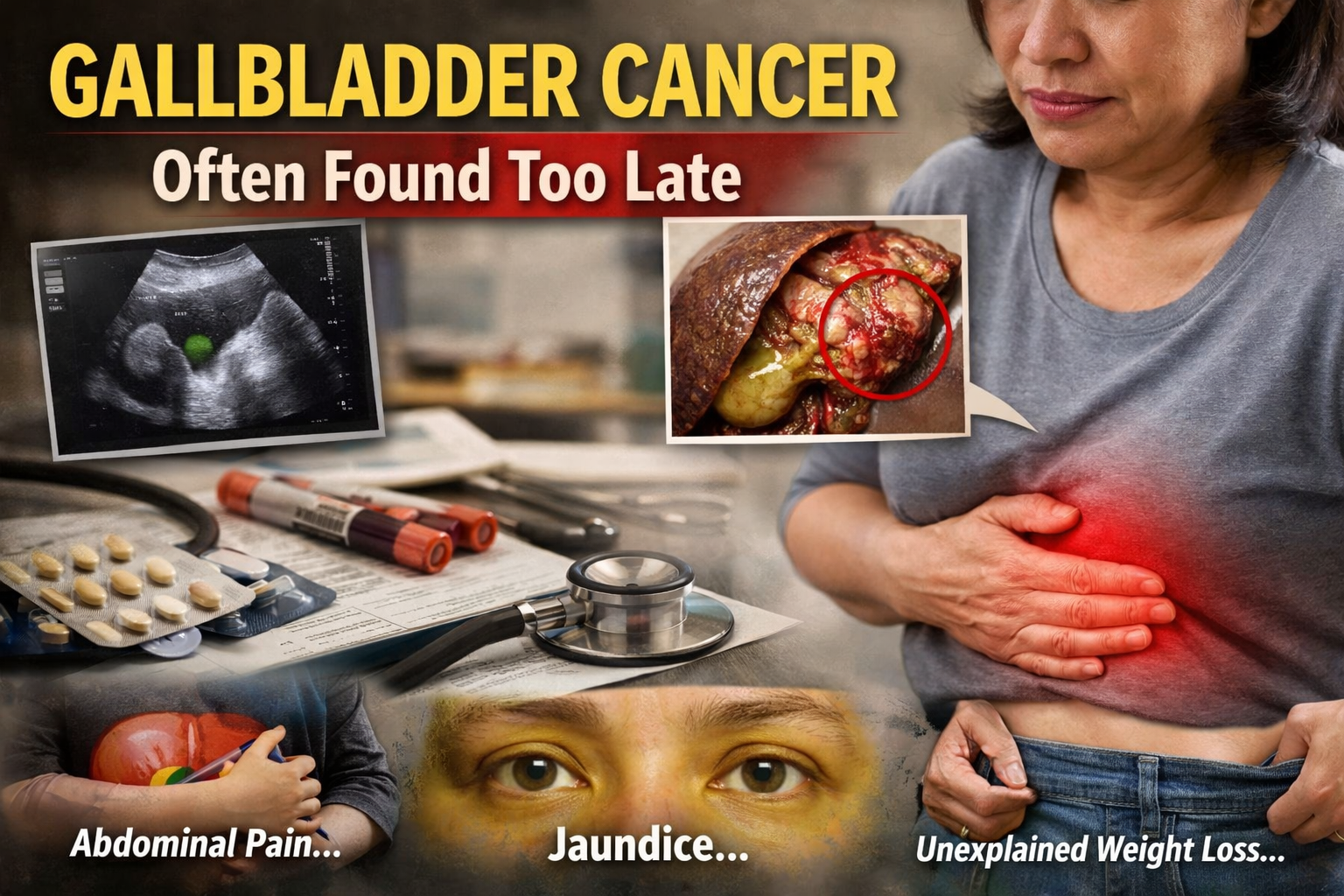
Female Pancreatitis Pain Location: Where It Hurts, What It Can Feel Like, and When to Seek Care

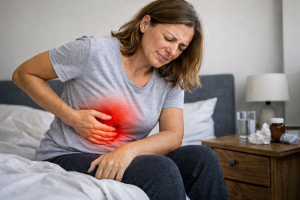
Pancreatitis pain can be confusing because it does not always stay in one small spot. Many women describe it as a deep, intense pain in the upper abdomen, often near the center or upper left side, but it may also spread into the back, under the ribs, or across the upper belly. Because this area overlaps with the stomach, gallbladder, chest, and even the muscles of the back, people sometimes dismiss it as indigestion, gas, heartburn, or a pulled muscle.
That is exactly why the topic matters. Pancreatitis can become serious quickly, especially when the pain is severe, persistent, or paired with vomiting, fever, bloating, or trouble eating and drinking. In women, the picture can become even more complicated because gallstones, hormone-related factors, pregnancy-related changes, and overlapping digestive symptoms may blur the early warning signs.
This article explains female pancreatitis pain location in practical, plain English. You will learn where the pain is usually felt, how acute and chronic pancreatitis can differ, what causes may be behind it, what other symptoms often show up, how doctors evaluate it, and what day-to-day management may look like after diagnosis. It also covers when abdominal pain needs urgent medical attention.
This content is educational and not a diagnosis. If you have severe abdominal pain, repeated vomiting, fainting, yellowing of the eyes, or pain that is getting worse rather than better, prompt medical evaluation is important.
Understanding Female Pancreatitis Pain Location
The pancreas sits deep in the upper abdomen, behind the stomach. It stretches across the body from right to left. Because of that position, pancreatic pain is often felt in the upper middle abdomen rather than in one tiny point you can touch with a fingertip.
When people search for female pancreatitis pain location, they usually want to know one thing: where exactly does it hurt? In real life, the answer is often:
- In the upper abdomen, especially the center
- In the upper left abdomen
- Under the ribs
- Across the upper belly like a band
- Through to the mid-back or upper back
Some women describe the pain as boring, deep, squeezing, or burning. Others say it feels like pressure that will not let up. It may begin suddenly and become severe within hours, or it may build more gradually and linger.
Why the pain can spread
Pancreatic pain does not always stay in front. Because the pancreas sits deep in the body and close to nerves that serve the abdomen and back, the pain can radiate. That means the brain interprets the pain as coming from another nearby area too, especially the back.
This is one of the classic clues. A woman may say, “It started in the upper stomach area, but now I feel it going straight through to my back.” That pattern does not prove pancreatitis, but it raises concern, especially if the pain is strong and constant.
Is pancreatitis pain different in women?
The actual inflamed pancreas does not behave in a female-specific way just because a person is a woman. The pain pattern itself is broadly similar across sexes. What can differ is the context around it.
For example, women are more likely to develop gallstones, and gallstones are a major cause of pancreatitis. That means a woman with pancreatitis may also have symptoms or a medical history linked to gallbladder problems. In some cases, the pain may begin with what seems like right upper abdominal or post-meal gallbladder pain and later become more central, deeper, and more intense when pancreatitis develops.
So while the core pain location is usually upper abdominal and often radiates to the back, the cause behind it may differ, and that can shape the overall symptom story.
What pancreatitis pain is not always like
Many people expect pancreatitis pain to always be on the far left side because the pancreas extends leftward. But in practice, the pain is more often felt in the upper central abdomen, sometimes slightly left of center, and sometimes broadly across the upper belly.
It also is not always sharp. It can be dull but relentless. Some people mistake it for:
- Severe indigestion
- A gallbladder attack
- Acid reflux
- A stomach bug
- Muscle strain in the back
- Menstrual or pelvic discomfort if the person is already prone to cramping and generalized abdominal pain
That is why location matters, but location alone is not enough. The pattern, severity, timing, and associated symptoms are just as important.
Types Of Female Pancreatitis Pain Location
There are two main forms of pancreatitis: acute and chronic. Both can cause upper abdominal pain, but they often behave differently over time.
Acute pancreatitis pain
Acute pancreatitis comes on suddenly. The pain often:
- Starts in the upper abdomen
- Feels intense and constant
- May spread to the back
- Can last for hours or several days
- Often comes with nausea and vomiting
- May feel worse after eating, especially heavier meals
A common real-world example is a woman who develops sudden, severe upper abdominal pain after dinner, feels nauseated, cannot get comfortable, and notices the pain moving into her back. She may think it is food poisoning or a gallbladder problem, but the severity and persistence make it different from typical indigestion.
Chronic pancreatitis pain
Chronic pancreatitis is ongoing inflammation and damage over time. The pain can be more variable. It may:
- Be in the upper abdomen
- Spread to the back
- Come and go at first
- Become more frequent or constant later
- Worsen after meals
- Be accompanied by weight loss, greasy stools, or digestive trouble
Chronic pain may be less dramatic in onset than acute pancreatitis, which is why it can be overlooked. A woman might say, “I keep getting this deep upper belly pain after eating, and it sometimes reaches my back.” If this is happening repeatedly, especially with unintentional weight loss or oily stools, it deserves medical evaluation.
Mild versus severe pain patterns
Not every episode begins with the most extreme pain imaginable. Some people have moderate pain that steadily worsens. Others have very severe pain from the start.
A few practical distinctions:
Pain more suggestive of a severe problem
- Constant rather than crampy
- Lasts longer than a few hours
- Prevents normal activity
- Comes with repeated vomiting
- Causes sweating, weakness, or lightheadedness
- Is paired with fever, jaundice, or a swollen abdomen
Pain that still deserves evaluation even if not dramatic
- Recurrent upper abdominal pain after meals
- Pain that repeatedly spreads to the back
- Pain plus greasy stools or diarrhea
- Pain plus unexplained weight loss
- Pain in someone with a history of gallstones, heavy alcohol use, or high triglycerides
Gallstone-related pancreatitis pattern
This is especially relevant for women. Gallstones can block the flow of digestive fluids and trigger pancreatitis. In those cases, a person may notice:
- Pain in the upper abdomen, sometimes starting more on the right side
- Pain after eating, especially fatty meals
- Nausea or vomiting
- Pain that becomes more central and more severe
- Possible yellowing of the skin or eyes if bile flow is blocked
This is one reason female pancreatitis pain location may overlap with gallbladder pain. The location can be close enough that the two are hard to distinguish without testing.
Causes Of Female Pancreatitis Pain Location
The pain happens because the pancreas becomes inflamed. When pancreatic enzymes activate in the wrong place or the gland becomes injured or blocked, swelling, irritation, and tissue damage can follow. That creates deep abdominal pain and often an inflammatory response throughout the body.
Common causes
Gallstones
Gallstones are one of the most important causes of pancreatitis, and this matters especially for women because gallstones are more common in women than in men. Hormonal factors, pregnancy, weight changes, and certain metabolic patterns may all play a role.
A gallstone can move out of the gallbladder and temporarily block the duct system shared by the gallbladder and pancreas. When that happens, pancreatic secretions can back up, and inflammation may begin.
Alcohol use
Alcohol is another major cause. It can irritate and damage the pancreas over time and is strongly linked to both acute and chronic pancreatitis. The risk depends on the individual and pattern of use, and not everyone with alcohol-related pancreatitis has the same history or severity.
High triglycerides
Very high blood triglyceride levels can trigger pancreatitis. This is a less obvious cause because many people do not feel high triglycerides directly. The first sign may be abdominal pain and illness rather than a warning symptom beforehand.
Certain medications
Some medications have been associated with pancreatitis in rare cases. This does not mean people should stop medicines on their own. It means a clinician may review the medication list carefully if pancreatitis is suspected.
Procedures and structural problems
Sometimes pancreatitis develops after a medical procedure involving the bile ducts or pancreas. In other cases, duct narrowing, stones in the ducts, or anatomical differences may contribute.
Less common causes
Less common or more specialized causes can include:
- Autoimmune conditions
- Genetic factors
- Infections
- High calcium levels
- Pancreatic tumors or obstructive lesions
- Injury to the abdomen
In some people, no clear cause is found right away. That does not mean the symptoms are minor. It simply means further evaluation may be needed.
Why the cause matters for pain location
The inflamed pancreas itself often creates central upper abdominal pain. But the underlying cause can add its own pattern.
For example:
- Gallstones may add right upper abdominal discomfort
- Bloating and vomiting may make the whole upper abdomen feel tight
- Chronic inflammation may lead to recurrent post-meal pain
- Back pain may become more noticeable when the pancreatic inflammation is deeper or more sustained
Symptoms Of Female Pancreatitis Pain Location
Pain is the headline symptom, but pancreatitis usually does not stop there. A better question than “Where does pancreatitis hurt?” is “What else tends to happen with that pain?”
Core pain features
Typical pancreatitis pain may:
- Be in the upper middle abdomen
- Extend into the upper left abdomen
- Radiate to the back
- Feel constant rather than wave-like
- Worsen after meals
- Be bad enough to limit movement, eating, or sleep
Common associated symptoms
These often travel with pancreatitis pain:
- Nausea
- Vomiting
- Fever
- Fast heartbeat
- Bloating
- Tenderness when the abdomen is touched
- Feeling weak, sweaty, or ill overall
In acute pancreatitis, women often say they feel “really sick,” not just uncomfortable. That whole-body unwell feeling is a clue that this is more than simple indigestion.
Symptoms more common in chronic pancreatitis
Over time, chronic pancreatitis can interfere with digestion and blood sugar control. Symptoms may include:
- Ongoing or recurrent upper abdominal pain
- Back pain
- Greasy, oily, or foul-smelling stools
- Diarrhea
- Unintended weight loss
- Poor appetite
- Problems tolerating fatty meals
- Diabetes or worsening blood sugar control
A practical example: someone notices that meals leave her with deep upper belly pain, and over months she begins losing weight without trying. She also starts seeing pale, oily stools that are hard to flush. That pattern may suggest the pancreas is no longer making enough digestive enzymes.
Signs that the pain may be confused with something else
Female pancreatitis pain location can overlap with several other conditions, including:
- Gallbladder attacks
- Gastritis
- Peptic ulcer disease
- Reflux
- Liver or bile duct problems
- Kidney stones
- Heart-related chest or upper abdominal discomfort
- Ovarian or pelvic issues that cause broader abdominal pain
That overlap is one reason self-diagnosis is risky. The upper abdomen is crowded territory.
Warning signs that need urgent medical care
Seek urgent medical evaluation if upper abdominal pain is:
- Severe or rapidly worsening
- Lasting more than a few hours without relief
- Paired with repeated vomiting
- Paired with fever
- Paired with jaundice
- Paired with confusion, faintness, or trouble breathing
- So intense that you cannot keep fluids down or function normally
A good rule of thumb: if the pain is strong enough that you are debating whether you should go in, and especially if it is constant and radiating to the back, it is better to get checked.
Risk Factors
Risk factors do not guarantee pancreatitis, but they make the condition more likely or can worsen outcomes.
Female-specific and female-relevant factors
Gallstones
This is one of the biggest reasons the keyword female pancreatitis pain location matters. Women are more likely to develop gallstones, and gallstones are a major pancreatitis trigger.
Pregnancy-related hormonal changes
Pregnancy can change bile composition and gallbladder function, which may raise the chance of gallstones in some women.
Estrogen exposure
In some situations, increased estrogen exposure is associated with higher gallstone risk. That does not mean estrogen always causes pancreatitis. It means it may indirectly matter through gallstones in certain individuals.
General risk factors
- Heavy alcohol use
- Smoking
- Personal or family history of pancreatitis
- Personal or family history of gallstones
- Very high triglycerides
- Obesity
- Rapid weight loss
- Diabetes and metabolic problems
- Certain medications
- Structural duct issues
Everyday situations that increase risk without people realizing it
Some risk factors hide in daily life.
For example:
- Repeated crash dieting may encourage gallstone formation
- Ignoring recurring post-meal upper abdominal pain can delay diagnosis
- Continuing alcohol use after a previous pancreatitis episode may raise the chance of another attack
- Smoking can worsen long-term pancreatic damage
Diagnosis Process
Pancreatitis cannot be confirmed from pain location alone. Doctors usually combine symptoms, physical examination, blood tests, and imaging.
Step 1: History and symptom review
A clinician will ask:
- Where is the pain?
- When did it start?
- Does it go to the back?
- Is it constant or crampy?
- Does it get worse after eating?
- Are you vomiting?
- Do you have fever or jaundice?
- Have you had gallstones before?
- Do you drink alcohol?
- Are you taking any new medications?
- Have you had similar episodes before?
The answers help narrow the possible causes quickly.
Step 2: Physical exam
The abdomen may be tender, especially in the upper part. The clinician also checks for dehydration, fever, low blood pressure, yellowing of the eyes, rapid pulse, and overall illness severity.
Step 3: Blood tests
Blood testing often includes pancreatic enzymes, especially lipase, as well as liver tests, blood sugar, triglycerides, and signs of inflammation or dehydration.
These tests help answer two questions:
- Is pancreatitis likely?
- What may be causing it?
For example, if liver-related numbers are also abnormal, gallstones blocking the ducts may become more likely.
Step 4: Imaging
Imaging may include:
- Ultrasound, especially if gallstones are suspected
- CT scan
- MRI or specialized bile duct imaging
- Endoscopic ultrasound in selected cases
Ultrasound is commonly used when gallstones are part of the concern. CT or MRI may help assess inflammation, complications, or unclear cases.
Why diagnosis can take time
Sometimes the pattern is obvious. Sometimes it is not.
A woman may come in with upper abdominal pain and vomiting, but the differential diagnosis can still include:
- Gallbladder inflammation
- Bile duct obstruction
- Stomach ulcer
- Bowel obstruction
- Heart-related problems
- Hepatitis
- Appendicitis in unusual positions
- Gynecologic causes
So even when the pain location suggests pancreatitis, careful evaluation is still needed.
Living With Female Pancreatitis Pain Location
The experience of living with pancreatitis depends on whether it is a one-time acute episode, repeated attacks, or chronic disease.
After an acute episode
Many people improve over days with proper care. But the period after discharge can be frustrating. Women often expect to feel normal quickly and are surprised by how tired, cautious, and food-sensitive they still feel.
Common real-world challenges include:
- Fear of eating because pain started after meals
- Anxiety that pain will come back
- Trouble figuring out which foods feel tolerable
- Weakness after hospitalization
- Worry about gallbladder surgery if gallstones were involved
With chronic pancreatitis
Chronic pancreatitis affects more than pain. It can shape daily routines, social life, work, and mental health.
People may deal with:
- Unpredictable pain flares
- Needing smaller meals
- Digestive symptoms after eating
- Weight loss or trouble maintaining nutrition
- Blood sugar changes
- Fatigue
- Stress around travel or eating out
A woman who used to skip meals and then eat one large late dinner may find that pattern no longer works. Another may notice restaurant meals trigger symptoms more than home cooking because they are richer and higher in fat.
Practical self-management habits
Depending on the individual case and clinician guidance, helpful habits may include:
- Avoiding alcohol
- Not smoking
- Eating smaller, more frequent meals
- Limiting very greasy or heavy foods
- Staying hydrated
- Following treatment plans for gallstones, triglycerides, diabetes, or enzyme therapy if prescribed
- Keeping follow-up appointments
- Watching for new red-flag symptoms rather than pushing through them
Emotional and social impact
Digestive pain affects daily confidence. People may become hesitant to attend dinners, travel, or exercise because they are not sure what will trigger symptoms.
This part matters. Chronic or recurring abdominal pain is not only physical. It can affect mood, sleep, relationships, and concentration. Talking with a qualified healthcare professional about the emotional strain can be part of good care, not an extra.
Prevention Strategies
Not every case of pancreatitis can be prevented, but many risk factors can be managed.
Reduce gallstone-related risk when possible
Because gallstones are especially relevant for women, practical prevention steps matter.
These may include:
- Maintaining a steady, sustainable weight
- Avoiding crash diets
- Aiming for regular physical activity
- Building meals around fiber-rich foods, fruits, vegetables, and whole grains
- Addressing obesity gradually rather than through rapid weight loss methods
If gallstones have already caused pancreatitis, treatment of the gallbladder problem may be recommended to lower the chance of another attack.
Avoid alcohol if pancreatitis has occurred
After pancreatitis, alcohol avoidance is often one of the most important protective steps. Even if alcohol was not the original cause, it can still stress the pancreas.
Stop smoking
Smoking is strongly linked with worse pancreatic health and can contribute to ongoing damage. Quitting is not easy, but it can be an important long-term step.
Manage triglycerides and metabolic health
For people with high triglycerides, prevention may involve:
- Following a clinician-guided eating plan
- Managing diabetes carefully if present
- Reviewing medications
- Losing weight gradually when needed
- Taking prescribed treatment consistently
Do not ignore recurring upper abdominal pain
One of the most overlooked prevention strategies is early evaluation. Repeated episodes of upper abdominal pain after meals should not be normalized, especially if they radiate to the back or come with vomiting.
Early evaluation may help identify gallstones, triglyceride problems, or other causes before a more severe event happens.
Practical Examples
This section turns the advice into everyday use.
Example 1: Recognizing a pattern that should not be ignored
A 42-year-old woman notices pain after rich meals. At first it seems like heartburn or gallbladder discomfort. One night the pain becomes deeper, settles in the upper middle abdomen, and spreads to the back. She vomits twice and cannot find a comfortable position.
This is not a moment for home remedies and guesswork. Severe, persistent upper abdominal pain with vomiting needs urgent medical evaluation.
Example 2: Adjusting meals after recovery
After a pancreatitis episode, someone may find that three heavy meals leave her uncomfortable. A more workable routine may be:
- Small breakfast: oatmeal with fruit and low-fat yogurt
- Mid-morning snack: banana or toast
- Lunch: grilled chicken, rice, and cooked vegetables
- Afternoon snack: applesauce or crackers
- Dinner: baked fish, potatoes, and green beans
- Fluids throughout the day
This kind of pattern may reduce digestive stress compared with one or two large, high-fat meals.
Example 3: A simple symptom log
A basic tracking system can help during follow-up appointments.
Write down:
- Time pain begins
- Exact location
- Whether it spreads to the back
- What you ate before it started
- Whether nausea or vomiting occurred
- Stool changes
- Fever or chills
- Medication taken
- How long the episode lasted
This can help a clinician spot triggers and patterns.
Daily checklist for someone recovering from pancreatitis
- Drink fluids regularly
- Eat smaller meals instead of very large ones
- Avoid alcohol
- Avoid smoking
- Be cautious with fried, greasy, or very rich foods
- Take prescribed medicines exactly as directed
- Watch for worsening pain, fever, vomiting, or jaundice
- Keep follow-up visits and lab checks
Do and do not list
Do
- Take severe upper abdominal pain seriously
- Get evaluated if pain radiates to the back
- Ask about gallstones if pain follows meals
- Follow dietary guidance from your clinician
- Address weight loss safely and gradually
- Seek help for smoking or alcohol cessation if needed
Do not
- Assume intense pain is only gas or reflux
- Keep forcing yourself to eat through severe symptoms
- Stop prescription medications on your own without guidance
- Delay care when vomiting prevents fluids
- Rely on internet symptom matching instead of medical evaluation for severe pain
Beginner-friendly routine after an acute episode
Every case is different, but a cautious early routine often looks like this:
- Focus on hydration and foods tolerated by your treatment plan.
- Eat small amounts more often instead of large portions.
- Reintroduce richer foods slowly, if your clinician says it is appropriate.
- Rest, but begin gentle walking as tolerated.
- Keep a clear record of pain recurrence or food-related symptoms.
- Follow through on recommended imaging, blood work, or gallbladder treatment.
Common mistakes people make
Mistaking pancreatitis pain for routine indigestion
Indigestion usually comes and goes. Pancreatitis pain is more often persistent, deep, and hard to ignore.
Focusing only on the left side
Pancreatitis does not always stay on the left. Upper central abdominal pain is very common.
Ignoring back pain
Back pain that accompanies upper abdominal pain is an important clue.
Waiting too long because the pain is not sharp
Pain does not need to be stabbing to be serious. Constant, deep pressure-like pain can still require urgent attention.
Assuming it cannot be pancreatitis without heavy alcohol use
Gallstones, triglycerides, medications, and other causes are real possibilities.
Conclusion
Female pancreatitis pain location is most often felt in the upper abdomen, especially the center or upper left side, and it commonly radiates into the back. In women, the picture may overlap with gallbladder symptoms because gallstones are a major cause of pancreatitis and are more common in women. That is why the pain can feel confusing at first.
The most important practical point is this: do not judge abdominal pain only by one spot on the body. Look at the whole pattern. Constant upper abdominal pain, pain that spreads to the back, pain after meals, vomiting, fever, bloating, jaundice, and feeling seriously unwell all raise concern.
If symptoms are severe, persistent, or recurring, medical evaluation matters. Early assessment can help identify the cause, reduce complications, and guide the next steps, whether that means managing gallstones, changing lifestyle risks, supporting nutrition, or treating chronic pancreatic disease.