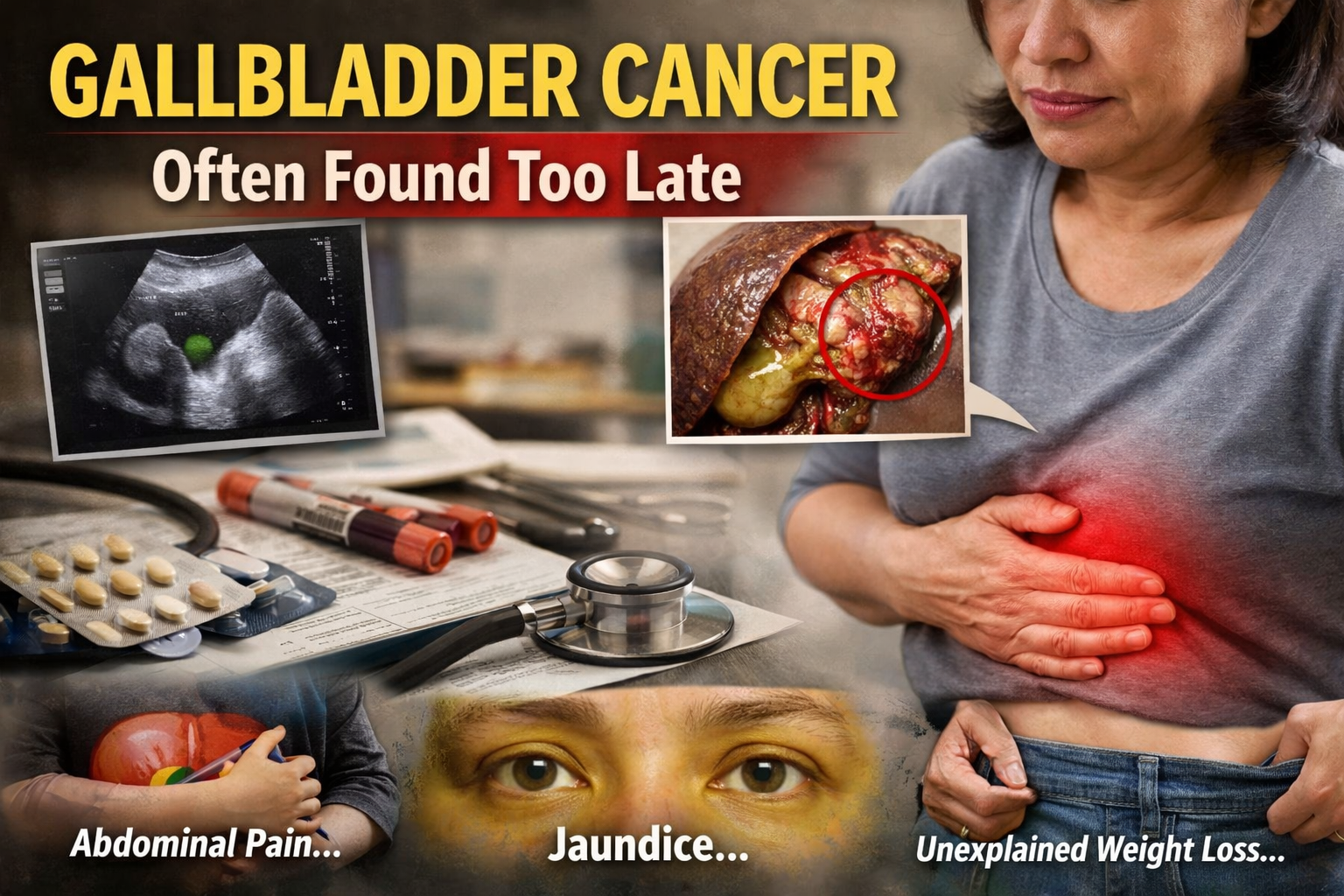
Rectal Cancer Symptoms: Early Warning Signs, Risk Factors, Screening, and When to Get Checked
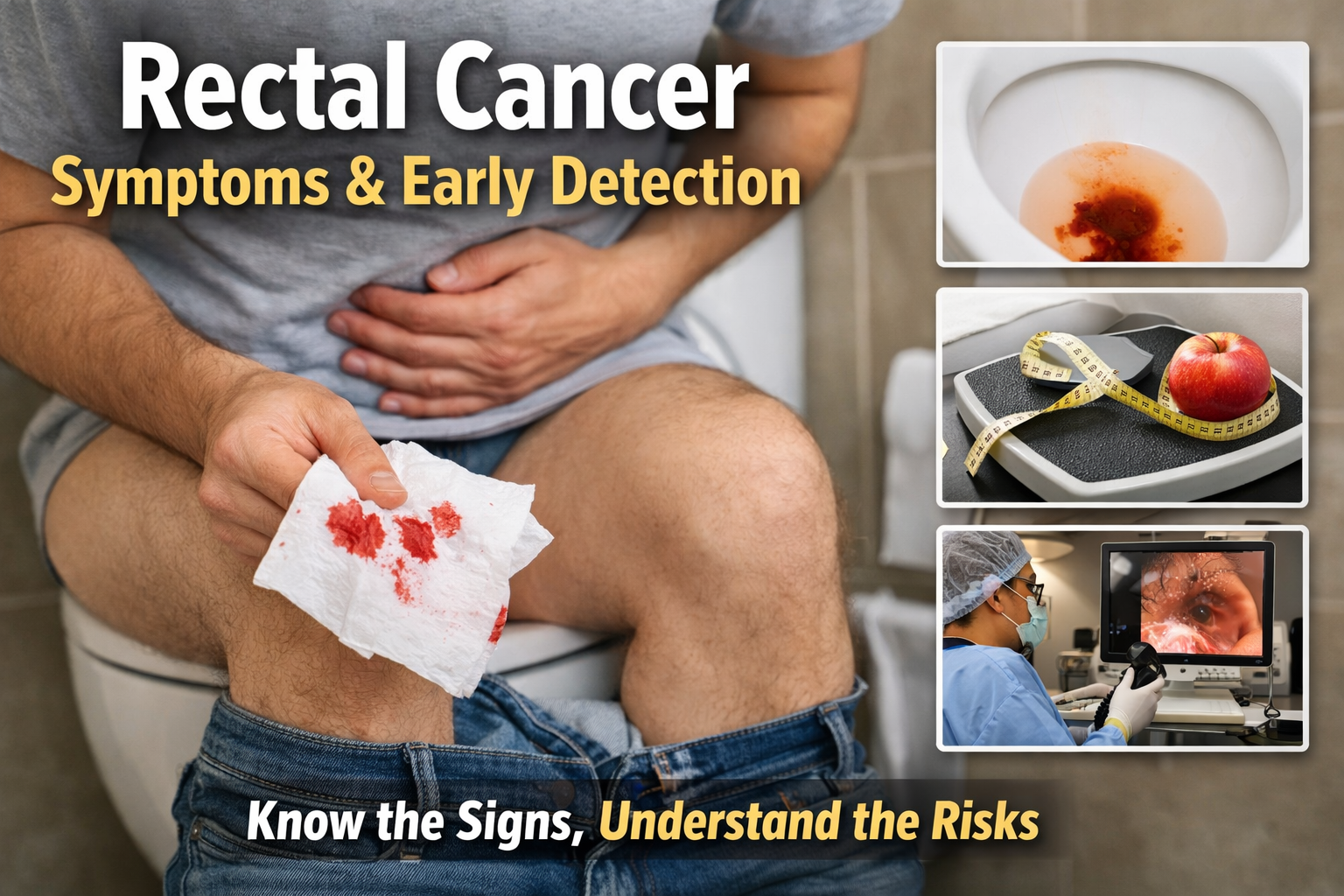
Rectal Cancer Symptoms: What to Watch For, Who’s at Risk, and Why Early Screening Matters
Rectal cancer begins in the rectum, the last part of the large intestine just before the anus. It is often grouped with colon cancer under the term colorectal cancer, but rectal cancer can differ in symptoms, treatment planning, and how it affects nearby tissues in the pelvis. One reason awareness matters so much is that rectal cancer may start quietly, with symptoms that are easy to dismiss or confuse with hemorrhoids, constipation, or other common digestive issues.
The good news is that rectal cancer is often treatable when found early, and screening can sometimes prevent cancer altogether by detecting and removing precancerous growths before they turn dangerous. Current U.S. guidance recommends that most average-risk adults begin colorectal cancer screening at age 45, while people with certain risk factors may need to start earlier or be tested more often.
In this guide, you’ll learn the most important rectal cancer symptoms, the main risk factors, who should be especially alert, and when it’s time to talk with a healthcare professional.
What is rectal cancer?
Rectal cancer is a cancer that forms in the tissues of the rectum. Most colorectal cancers, including many rectal cancers, develop from abnormal growths called polyps over time, which is why screening is so valuable: it can find cancer early and may prevent some cancers from developing in the first place.
Although rectal and colon cancers share many risk factors and screening methods, rectal cancer occurs lower in the digestive tract. Because of its location, it may be more likely to cause symptoms related to bowel movements, pelvic pressure, or the feeling that the bowel is not emptying fully.
Early signs of rectal cancer
Symptoms do not always mean cancer, but they do deserve attention when they persist, worsen, or occur together. The most commonly reported warning signs include blood in the stool, a change in bowel habits, abdominal discomfort, unexplained weight loss, and fatigue.
 1. Blood in or on the stool
 1. Blood in or on the stool
One of the best-known warning signs is rectal bleeding or visible blood in the stool. This may appear as bright red blood, very dark blood, or blood mixed into the stool rather than only on the toilet paper.
Because hemorrhoids can also cause bleeding, many people assume the cause is harmless. But persistent or recurrent bleeding should never be self-diagnosed. A healthcare professional may need to determine whether the source is hemorrhoids, a fissure, inflammation, polyps, or something more serious.
2. A lasting change in bowel habits
Rectal cancer can affect how stool moves through the bowel. Warning changes may include:
- diarrhea that keeps coming back
- constipation that does not improve
- stools that seem narrower than usual
- a feeling that the bowel does not empty all the way
- a noticeable change in how often you need to go
A short-lived stomach bug or diet change is common. What matters more is a pattern that lingers for days to weeks or keeps returning without a clear explanation.
3. Abdominal cramps, gas, bloating, or pelvic discomfort
Rectal cancer may also cause ongoing abdominal pain, cramping, bloating, fullness, or gas pains. Some people describe pressure deep in the pelvis or discomfort during bowel movements.
These symptoms are not specific to cancer, but when they become persistent or are paired with bleeding or bowel changes, they are more concerning.
4. Unexplained weight loss or reduced appetite
Losing weight without trying is another symptom that should not be ignored. National Cancer Institute guidance lists weight loss for no known reason and change in appetite among possible signs of rectal cancer.
5. Fatigue and weakness
Fatigue can happen for many reasons, but in rectal cancer it may be linked to chronic blood loss, anemia, poor appetite, or the body’s response to illness. NCI includes fatigue among the possible signs and symptoms.
Symptoms that should not be brushed off
Certain combinations deserve prompt medical evaluation, especially if they last more than a brief period:
- blood in or on the stool
- a change in bowel habits that does not settle
- ongoing abdominal or pelvic pain
- the feeling that the bowel never empties completely
- unexplained weight loss
- fatigue with other digestive symptoms
Even when the cause turns out to be noncancerous, these symptoms are worth checking.
Rectal cancer risk factors
Rectal cancer risk rises for a mix of reasons, including age, personal and family medical history, inherited syndromes, and lifestyle factors. Some risks cannot be changed, but others can be lowered.
Age
Risk increases with age, and older adults still make up the majority of cases. At the same time, experts have become increasingly concerned about more diagnoses appearing in younger adults, which is one reason screening recommendations were lowered to age 45 for average-risk adults.
Family history and inherited syndromes
Your risk is higher if you have a personal or family history of colorectal cancer or colorectal polyps. Certain inherited syndromes also raise risk substantially, especially Lynch syndrome and familial adenomatous polyposis (FAP).
Inflammatory bowel disease
People with ulcerative colitis or Crohn’s disease affecting the colon or rectum may need earlier and more individualized screening. These conditions are recognized risk factors in CDC and American Cancer Society guidance.
Prior colorectal polyps or past cancer
A personal history of certain polyps or colorectal cancer can raise future risk, which is why follow-up schedules are often more intensive in these groups.
Prior abdominal or pelvic radiation
The American Cancer Society notes that people who previously received radiation to the abdomen or pelvic area for another cancer may not fit the average-risk group and may need different screening decisions.
Lifestyle factors
CDC lists several lifestyle factors that may contribute to higher colorectal cancer risk, including:
- low physical activity
- overweight or obesity
- alcohol use
- tobacco use
- a diet low in fruits and vegetables
- a low-fiber, high-fat pattern or a diet high in processed meats
The American Cancer Society’s 2026 cancer statistics update also states that more than half of colorectal cancers are attributable to modifiable risk factors such as smoking, unhealthy diet, alcohol use, physical inactivity, and excess body weight.
Who may need extra vigilance?
Some people should be especially proactive about symptoms and screening, including those who:
- are age 45 or older
- have a first-degree relative with colorectal cancer or advanced polyps
- have Lynch syndrome, FAP, or another hereditary syndrome
- have Crohn’s disease or ulcerative colitis
- have had colorectal polyps before
- received prior abdominal or pelvic radiation
These groups may need a screening plan that starts earlier than age 45 or uses colonoscopy more often than the standard interval.
Why early detection is so important
Rectal cancer outcomes are much better when the disease is found before it has spread. The American Cancer Society reports a 5-year relative survival rate of about 90% for localized rectal cancer, compared with much lower rates once the disease becomes distant or metastatic.
That is why screening matters even when you feel well. Screening is not only for people with symptoms. It is designed to find hidden problems early and, in some cases, to stop cancer before it starts.
Rectal cancer screening: when to start and test options
For adults at average risk, the American Cancer Society recommends starting regular colorectal screening at age 45 and continuing through age 75 if a person is in good health with a life expectancy of more than 10 years. For ages 76 to 85, screening decisions should be individualized. After 85, routine screening is generally no longer recommended.
Common screening options
The American Cancer Society lists both stool-based tests and visual exams as acceptable screening options:
Stool-based tests
- FIT every year
- high-sensitivity guaiac-based FOBT every year
- stool DNA/FIT-DNA test every 3 years
Visual exams
- colonoscopy every 10 years
- CT colonography every 5 years
- sigmoidoscopy every 5 years
A positive stool-based test usually needs follow-up colonoscopy. For many higher-risk patients, colonoscopy is often the preferred tool because it allows doctors to examine the bowel directly and remove polyps when needed.
When to see a doctor
Make an appointment if you notice:
- rectal bleeding that returns or does not stop
- ongoing constipation, diarrhea, or narrowing of stool
- unexplained abdominal or pelvic discomfort
- the sensation that your bowel never empties fully
- unexplained weight loss
- fatigue combined with bowel symptoms
You should also talk with a clinician if you are 45 or older and have not started screening, or earlier than that if you have a personal or family history that could put you above average risk.
Can rectal cancer be prevented?
Not every case can be prevented, but risk can be lowered. The strongest proven steps are:
- keeping up with recommended screening
- staying physically active
- maintaining a healthy weight
- avoiding or quitting tobacco
- limiting alcohol
- eating a diet that includes more fruits, vegetables, and fiber and less processed meat
Screening is especially powerful because it can identify precancerous changes before cancer develops.
FAQ
Is rectal bleeding always a sign of rectal cancer?
No. Rectal bleeding can happen with hemorrhoids, anal fissures, inflammation, and other digestive conditions. But because bleeding is also a recognized symptom of rectal cancer, persistent or recurrent bleeding should be medically evaluated.
What does stool look like with rectal cancer?
There is no single appearance. Blood may be bright red, very dark, or mixed with the stool. Some people also notice narrower stools or a change in stool shape.
At what age should screening begin?
For average-risk adults, regular colorectal cancer screening should start at 45. People at increased risk may need to start earlier.
Can younger adults get rectal cancer?
Yes. Although risk still rises with age, recent cancer statistics show increasing colorectal and rectal cancer burden in younger adults, which has helped drive earlier screening recommendations and growing awareness of symptoms in people under 50.
What are the most important early warning signs?
The main symptoms to take seriously are blood in or on the stool, changes in bowel habits, abdominal pain or cramping, unexplained weight loss, and fatigue.
Rectal cancer can begin with symptoms that seem minor at first, especially bleeding, stool changes, cramping, or the feeling that the bowel is not emptying normally. Those symptoms do not automatically mean cancer, but they should not be ignored when they persist.
The most effective approach is a practical one: know your risk, do not normalize ongoing bleeding or bowel changes, and stay current with screening. For most average-risk adults, that means starting at age 45. For higher-risk individuals, the right schedule may be earlier and more personalized.